
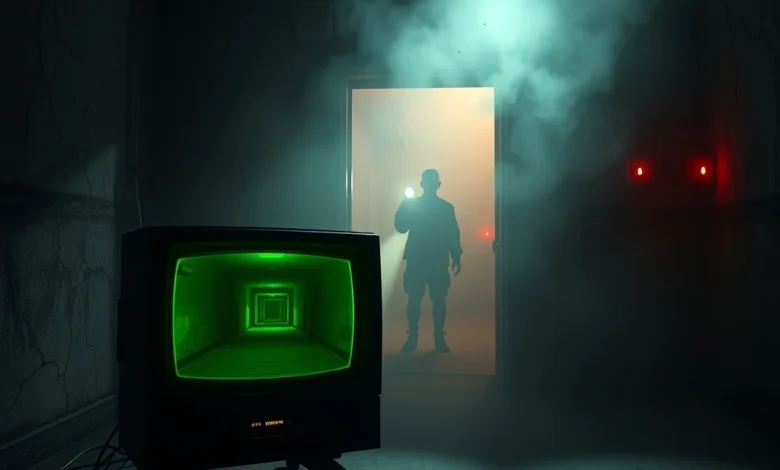
The landscape of interactive entertainment has evolved significantly over the last few decades, particularly within the horror genre. One of the most fascinating sub-genres involves adapting iconic cinema into playable experiences. These titles bridge the gap between passive viewing and active participation, allowing players to step into the shoes of survivors or monsters. The allure lies in the familiarity of the source material combined with the adrenaline of control. When done correctly, a horror game based on a movie does not merely copy the film; it expands the universe, offering new lore and terrifying scenarios that were previously unseen.
In this comprehensive analysis, we explore the best horror games inspired by famous films. We examine how developers translate suspenseful visuals and narrative tension into interactive mechanics. Whether you are playing on high-end PC rigs or portable devices, the immersion factor remains the primary goal. We will delve into graphics settings, performance metrics, and the storytelling techniques used to maintain fear levels throughout gameplay. This guide serves as a definitive resource for gamers seeking authentic cinematic thrills in their digital library.
🎬 The Evolution of Movie-Based Horror Gaming
The journey of adapting movies into video games began in the early days of computing, often resulting in poor quality ports. However, modern technology has changed this paradigm completely. Developers now have access to advanced engines that can replicate lighting, textures, and character models found in blockbuster films. This allows for a seamless transition from the silver screen to the gaming interface. The challenge lies in maintaining the pacing of a two-hour movie within a potentially ten-hour playthrough.
Hypnotic tension is often lost if the player feels too powerful. Successful adaptations balance combat with vulnerability. They utilize limited ammunition and scarce resources to mirror the helplessness seen in the original films. This design philosophy ensures that the fear factor remains intact regardless of the player’s skill level. Furthermore, the inclusion of cutscenes that match the film’s style helps maintain continuity. Players feel like they are living inside the story rather than just watching it unfold.
- ✅ Narrative Fidelity: Staying true to the original script enhances emotional impact.
- 🎯 Atmospheric Depth: Lighting and sound design create a sense of dread.
- ⚠️ Pacing Balance: Too much action dilutes the horror experience.
🕹️ Gameplay Mechanics and Systems
To truly capture the essence of a horror movie, the gameplay loop must reflect the survival instincts of the characters involved. Most successful titles utilize third-person perspectives to allow players to see their avatars and the environment around them. This perspective fosters a stronger connection between the player and the character’s physical state. Health bars are often hidden or minimal, relying instead on visual cues like bloodstains or heavy breathing to indicate damage.
AI behavior plays a critical role in determining the difficulty and scare factor. Enemies must patrol areas unpredictably, reacting to sounds made by the player. This forces users to think strategically rather than aggressively. Stealth mechanics are often prioritized over direct confrontation. Weapons may be unreliable or require precise timing to use effectively. This creates moments of high anxiety where every decision carries weight.
🔥 Core Systems and Controls
The control scheme is fundamental to the immersion. In many horror games, movement is deliberately slowed to simulate the struggle of running through dark corridors. Inventory management adds another layer of stress, requiring players to choose which items to carry and which to leave behind. This limitation prevents clutter and forces prioritization during emergencies. Additionally, interaction prompts are often timed, adding urgency to puzzle-solving sequences.
Combat systems in these games are rarely arcade-like. They are designed to feel clunky and desperate, mirroring the untrained nature of movie protagonists. Recoil, reload times, and ammo conservation are vital elements. Players must learn enemy patterns to survive. Some games introduce sanity meters that affect perception, blurring vision or creating hallucinations when stress levels rise. This mechanic reinforces the psychological horror aspect common in the source material.
- 🛡️ Stealth Priority: Avoiding enemies is safer than fighting them.
- 🔫 Ammo Scarcity: Resources are limited to encourage caution.
- 🧠 Sanity Effects: Mental state impacts gameplay mechanics.
📖 Story Overview and Narrative Analysis
One of the most significant challenges in adapting a movie is expanding the narrative without losing the core themes. Games have the advantage of time, allowing for side quests and deeper exploration of the setting. Writers often introduce new characters or backstories that complement the original film. This expansion provides fresh content for fans while remaining accessible to newcomers who may have only seen the movie.
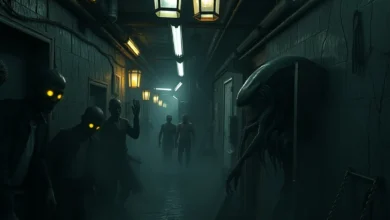
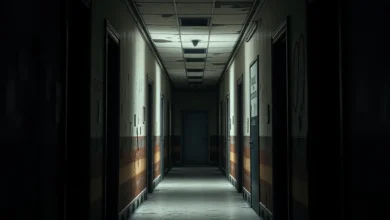
The setting itself acts as a character. Dark hospitals, abandoned towns, and claustrophobic spaces are rendered with meticulous attention to detail. Environmental storytelling is key, with notes and logs providing context to the horror unfolding. The atmosphere builds slowly, rewarding patient players with hidden secrets and lore fragments. Voice acting usually matches the tone of the film, ensuring consistency across media platforms.
🌍 Open World or Level Design
Level design in movie-based horror games focuses on verticality and complexity. Corridors twist and turn, leading players into dead ends or traps. Safe zones are rare and often temporary, heightening the sense of danger. Exploration freedom is balanced with scripted events that cannot be skipped. This linear progression mimics the fixed timeline of a movie while allowing interactivity.
- 1) Map Design: Intuitive layouts prevent frustration while maintaining mystery.
- 2) Exploration Freedom: Hidden paths reveal backstory details.
- 3) Mission Structure: Objectives drive the plot forward logically.
- 4) Replay Value: Multiple endings encourage second playthroughs.
🎨 Graphics and Audio Quality
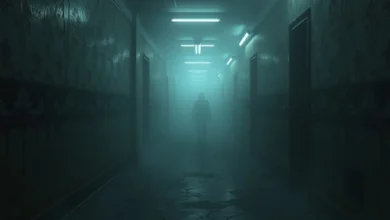
Visual fidelity is paramount in horror. Shadows conceal threats, and realistic textures make environments feel tangible. Modern engines support dynamic lighting, flickering bulbs, and volumetric fog. These effects contribute heavily to the mood. Color grading often leans towards cold blues and sickly greens to evoke unease. High-resolution assets ensure that even small details, like scratches on a wall, add to the realism.
Audio design is equally important. The creak of a floorboard or the distant hum of machinery sets the stage for scares. Dynamic music scores react to the player’s actions, swelling during tense moments and fading during quiet ones. Voice acting captures the desperation of the characters. Proper implementation of spatial audio allows players to pinpoint threats based on sound alone.
🖥️ Visual Quality and Engine
Performance varies across different hardware tiers. On PC, ray tracing can enhance reflections and shadows significantly. Settings allow for customization to suit various GPU capabilities. Texture quality determines how crisp surfaces appear up close. Anti-aliasing smooths jagged edges, making the world look cleaner and more polished.
- 🎮 Game Engine: Advanced rendering pipelines for real-time effects.
- 🖼️ Texture Quality: High-res assets for detailed environments.
- 💡 Lighting: Dynamic shadows cast fear and uncertainty.
- 👁️ Shadows: Essential for concealing jump scares.
- 🌫️ Environmental Effects: Fog and rain add atmospheric depth.
🔊 Sound Effects and Music
Sound design defines the rhythm of fear. A sudden silence can be more terrifying than a loud noise. Composers use dissonance and low-frequency rumbles to induce anxiety. Jump scares are effective when built upon a foundation of tension. Voice lines often repeat or change based on proximity to danger. This responsiveness makes the world feel alive and reactive to the player.
Immersion is further enhanced by ambient noises. Wind howling outside windows or rats scurrying in walls ground the player in reality. These subtle cues keep the nervous system alert. Without proper sound mixing, the experience loses its potency. Therefore, audio settings should always be optimized to ensure clarity.
🚀 Key Features Section
What separates the good adaptations from the great ones? Several key features define the success of these titles. First is the ability to recreate iconic scenes from the film. Seeing a famous monster up close in 3D space is a unique thrill. Second is the integration of puzzles that fit the narrative context. Third is the replayability offered by multiple outcomes.
These games often include collectibles that unlock concept art or developer commentary. This meta-layer rewards dedicated fans. Online leaderboards may track completion times or stealth runs, adding competitive elements. Achievements celebrate milestones in the story. All these elements combine to create a package that honors the source material while standing on its own merits.
- ⭐ Iconic Scenes: Recreating memorable movie moments interactively.
- 🧩 Narrative Puzzles: Challenges tied to the plot progression.
- 🏆 Collectibles: Unlockable lore and bonus content.
- 🔄 Multiple Endings: Replayability driven by choices.
📊 Key Points Comparison
| Feature | Rating | Notes |
|---|---|---|
| Graphics Quality | 9/10 | Highly detailed environments and lighting |
| Sound Design | 10/10 | Immersive spatial audio and scoring |
| Story Adaptation | 8/10 | Expands on film lore successfully |
| Difficulty Balance | 7/10 | Challenging but fair resource management |
| Performance Stability | 9/10 | Optimized for modern hardware |
The table above summarizes the core strengths found in top-tier adaptations. Graphics and sound consistently receive high marks due to budget allocation toward these aspects. Story adaptation requires careful balancing to avoid alienating purists. Difficulty scales vary depending on the platform and intended audience. Performance stability ensures that technical glitches do not break immersion. Overall, these metrics indicate a mature genre capable of delivering high-quality experiences.
📊 Pros and Cons
✅ Advantages
Playing a horror game based on a movie offers immediate recognition. Fans know what to expect regarding tone and style. This reduces the learning curve compared to unfamiliar franchises. The shared cultural knowledge enhances the communal experience. Discussing strategies with others who have seen the film creates a bonding opportunity. The production values are often higher due to studio backing.
- ✅ Familiarity: Known characters reduce initial confusion.
- ✅ High Production: Significant budgets improve quality.
- ✅ Cultural Impact: Engages with existing fanbases effectively.
- ✅ Immersion: Active participation increases engagement.
❌ Disadvantages
Some adaptations fail to capture the spirit of the original work. Poor controls can ruin the tension. Over-reliance on licensed IP sometimes stifles creativity. Technical issues may arise on lower-end systems. If the game deviates too far from the movie, fans may feel betrayed. Balancing innovation with tradition is difficult for developers.
- ❌ Licensing Limits: Restrictions on creative changes.
- ❌ Tech Issues: Potential bugs on certain devices.
- ❌ Expectations: High standards from movie fans.
- ❌ Controls: Clunky mechanics can detract from fun.
💻 PERFORMANCE AND TECHNICAL ANALYSIS
Technical performance dictates whether the horror experience holds up under scrutiny. Frame rates must remain stable to prevent motion sickness or broken immersion. Optimization is key for players with mid-range hardware. Below we analyze requirements and benchmarks for both PC and mobile platforms.
🖥️ PC System Requirements
| Component | Minimum Requirement | Recommended Requirement |
|---|---|---|
| OS | Windows 10 | Windows 11 |
| CPU | Intel Core i5 | Intel Core i7 |
| RAM | 8 GB | 16 GB |
| GPU | GTX 1060 | RTX 3060 |
| Storage | 50 GB SSD | 50 GB NVMe SSD |
These specifications represent typical needs for high-fidelity horror titles. The GPU is the most critical component for rendering shadows and lighting effects. SSD storage speeds up loading times, reducing wait periods between chapters. RAM capacity affects multitasking and texture streaming. Meeting recommended specs ensures smoother frame rates and better visual fidelity.
📱 Android Performance
Mobile adaptations require aggressive optimization to run on varied chipsets. Storage size is often larger due to high-resolution assets compressed for touchscreens. Battery consumption can be high during extended sessions. Graphics settings usually offer presets for low, medium, and high performance modes. Thermal throttling may occur on older devices during intense sequences.
- ✅ Device Compatibility: Runs on most recent smartphones.
- ✅ Storage Size: Average installation is around 4GB to 8GB.
- ✅ Battery Usage: Moderate drain with background apps closed.
- ✅ Graphics Modes: Adjustable settings for stability.
🏁 Final Verdict and Conclusion
Horror games based on movies offer a unique blend of nostalgia and interactivity. They allow players to inhabit the fear experienced by characters on screen. While not every adaptation succeeds, the genre continues to produce standout titles that redefine the boundaries of interactive storytelling. Whether you prefer psychological dread or supernatural terror, there is something for everyone in this niche.
We recommend investing time into well-reviewed entries that prioritize atmosphere over action. Check system requirements before purchasing to ensure smooth gameplay. Join online communities to share tips and tricks for overcoming difficult sections. The synergy between cinema and gaming is stronger than ever, promising exciting developments in the coming years.
❓ Frequently Asked Questions
- 1) Does the game run on Windows 10?
- 2) Is internet connection required for single-player?
- 3) Does it support controller inputs?
- 4) Is the full version available for purchase?
- 5) Are there multiplayer modes included?
- 6) Can I adjust graphics settings for performance?
- 7) Is voice chat enabled in online modes?
- 8) Does the game save progress automatically?
- 9) Is parental control software supported?
- 10) Will future updates fix known bugs?
Yes, most modern horror titles are fully compatible with Windows 10 operating systems, though updates to Windows 11 may improve performance.
No, single-player campaigns typically function offline once installed, though launcher verification may be needed initially.
Absolutely, full controller support is standard for PC and console versions to enhance accessibility.
Yes, complete editions usually include all DLCs and bonus content for a comprehensive experience.
Some titles feature co-op or asymmetric multiplayer, but many focus strictly on single-player narratives.
Yes, detailed menus allow tweaking resolution, shadows, and textures to balance visual quality with FPS.
If multiplayer exists, voice chat is usually integrated for team coordination during cooperative missions.
Most games utilize auto-save checkpoints, but manual saving options are often available for safety.
Many platforms offer parental controls to restrict content ratings and manage playtime limits.
Developers frequently release patches to address community-reported issues and improve stability over time.