
The world of digital sports simulation is constantly evolving, pushing the boundaries of what is possible on modern hardware. Among the giants in the football gaming industry, Konami continues to refine its flagship title, eFootball 2026. With each iteration, the expectation grows that the virtual pitch should mirror reality down to the last stitch on a jersey. This comprehensive analysis dives deep into the visual presentation of eFootball 2026 to determine whether the graphical fidelity lives up to the hype or if it falls short of the promises made in marketing materials.
We will explore the underlying technology driving these visuals, dissect the player models, examine stadium environments, and evaluate how performance scales across different platforms. Whether you are playing on a high-end gaming rig or a mid-range smartphone, understanding the graphical capabilities of eFootball 2026 is essential for setting expectations. This review aims to provide a clear picture of the visual experience, separating technical achievements from stylistic choices.
🎮 Understanding the Visual Engine
The foundation of any great football game lies in its graphics engine. eFootball 2026 utilizes an updated version of the proprietary engine developed by Konami. While previous iterations relied heavily on Unreal Engine foundations, the 2026 update introduces significant refinements aimed at improving realism and fluidity. The development team has focused heavily on material shaders and dynamic lighting systems to create a more authentic atmosphere during match play.
One of the most critical aspects of this engine update is the handling of skin tones and facial features. Players often criticize sports games for having a “plastic” look, but eFootball 2026 attempts to mitigate this through advanced subsurface scattering techniques. This allows light to penetrate the surface of the character models slightly, mimicking real human skin. Additionally, sweat and grime effects are dynamically applied based on match duration and weather conditions, adding layers of realism that were previously absent in earlier versions.
🖥️ Material Shaders and Textures
The texture work in eFootball 2026 represents a significant step forward. Grass blades are rendered individually rather than as static images, allowing them to react physically to ball contact and player movement. This creates a sense of weight and resistance that enhances the immersion significantly. When a player cuts sharply or slides into a tackle, the turf responds accordingly, showing wear patterns that persist throughout the match.
Jersey textures have also seen major improvements. Fabric weaving is visible upon close inspection, and the way light reflects off synthetic materials is much more accurate. Moisture absorption is simulated, meaning shirts look darker and heavier once they become soaked during wet weather scenarios. These details contribute to a cohesive visual language that makes the game feel less like a cartoon and more like a broadcast.
- ✅ High-fidelity fabric physics
- ✅ Dynamic dirt accumulation
- ✅ Realistic grass deformation
⚽ Player Models and Likenesses
In football simulations, the faces of the players are paramount. Fans want to recognize their favorite stars instantly, and the level of detail in facial modeling can make or break the connection. eFootball 2026 employs a robust scanning technology to capture the unique features of licensed athletes. The result is a lineup of avatars that bear a striking resemblance to their real-world counterparts.
The depth of customization extends beyond just the face. Muscle definition, body fat percentage, and even height variations are accurately represented. This diversity ensures that goalkeepers do not look identical to strikers, and defenders maintain a distinct physical presence compared to wingers. The animation system also benefits from these detailed models, as collision detection works better when the meshes are anatomically correct.
🔍 Facial Detail and Expressions
Facial expressions in eFootball 2026 convey emotion more effectively than before. During intense moments, such as scoring a late winner or conceding a penalty, players display genuine reactions ranging from jubilation to despair. Micro-expressions, such as furrowed brows or gritted teeth, are captured using motion capture data. This adds a psychological layer to the match, making the players feel like living entities rather than puppets controlled by code.
However, some critics argue that while the base models are excellent, the animation blending can sometimes cause stiff transitions between running and sprinting states. Despite this, the overall likeness factor remains one of the strongest selling points of the game. The inclusion of rare cards and alternate kits further personalizes the visual identity of each squad.
🌍 Stadium Atmosphere and Environment
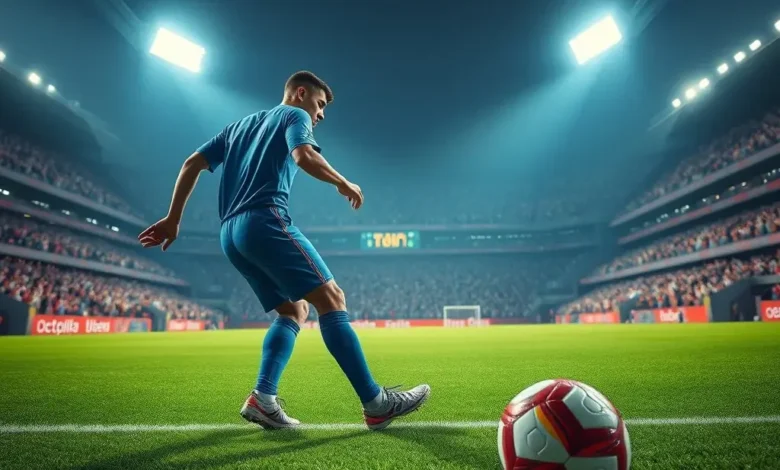
A football match takes place in a stadium, and the environment plays a crucial role in setting the mood. eFootball 2026 includes a variety of licensed venues, each designed with specific architectural details. From the towering stands of historic grounds to the modern glass structures of new arenas, the variety is impressive. The camera angles used during broadcast modes allow viewers to appreciate the scale of these digital coliseums.
The crowd density has been increased, and individual fan models are now distinguishable. They wave flags, chant songs, and react to on-field events in synchronized waves. This creates a chaotic yet organized background noise that mimics the roar of a real stadium. The acoustics engine also adjusts the sound based on the size of the venue, ensuring that smaller stadiums do not sound as cavernous as massive arenas.

- 1) Accurate stadium geometry
- 2) Dense crowd simulation
- 3) Dynamic crowd reactions
- 4) Authentic branding placement
☁️ Weather Systems and Lighting
Weather conditions add another layer of complexity to the graphics engine. Rain, snow, and fog are not merely overlays but interact with the environment. Raindrops streak across the screen, puddles form on the pitch, and the ball becomes heavier visually. Snow accumulates on player shoulders and the sidelines, altering the color palette of the field over time. These environmental factors require the lighting engine to adapt dynamically.
Lighting is perhaps the most challenging aspect of sports graphics. eFootball 2026 uses a hybrid approach combining baked lighting for stability with real-time ray tracing for key elements like reflections on the ball and helmets. This ensures that the game runs smoothly on lower-end devices while still offering stunning visuals on premium hardware. The transition from day to night matches is handled seamlessly, with artificial lights casting realistic glows and lens flares.
🚀 Platform Performance and Optimization
Visual fidelity means little if the game does not run smoothly. eFootball 2026 is designed to be accessible across multiple platforms, including PC, PlayStation, Xbox, and Android. Each platform presents unique challenges regarding optimization and resource management. Understanding how the graphics scale is vital for gamers who want to maximize their experience without compromising frame rates.
On PC, users have granular control over every aspect of the rendering pipeline. From shadow resolution to anti-aliasing methods, the settings menu is extensive. This flexibility allows enthusiasts to push the visuals to the absolute limit if their hardware permits. Conversely, mobile users must contend with thermal throttling and battery limitations, which forces developers to implement aggressive power-saving measures.
📱 Android vs PC Rendering Differences
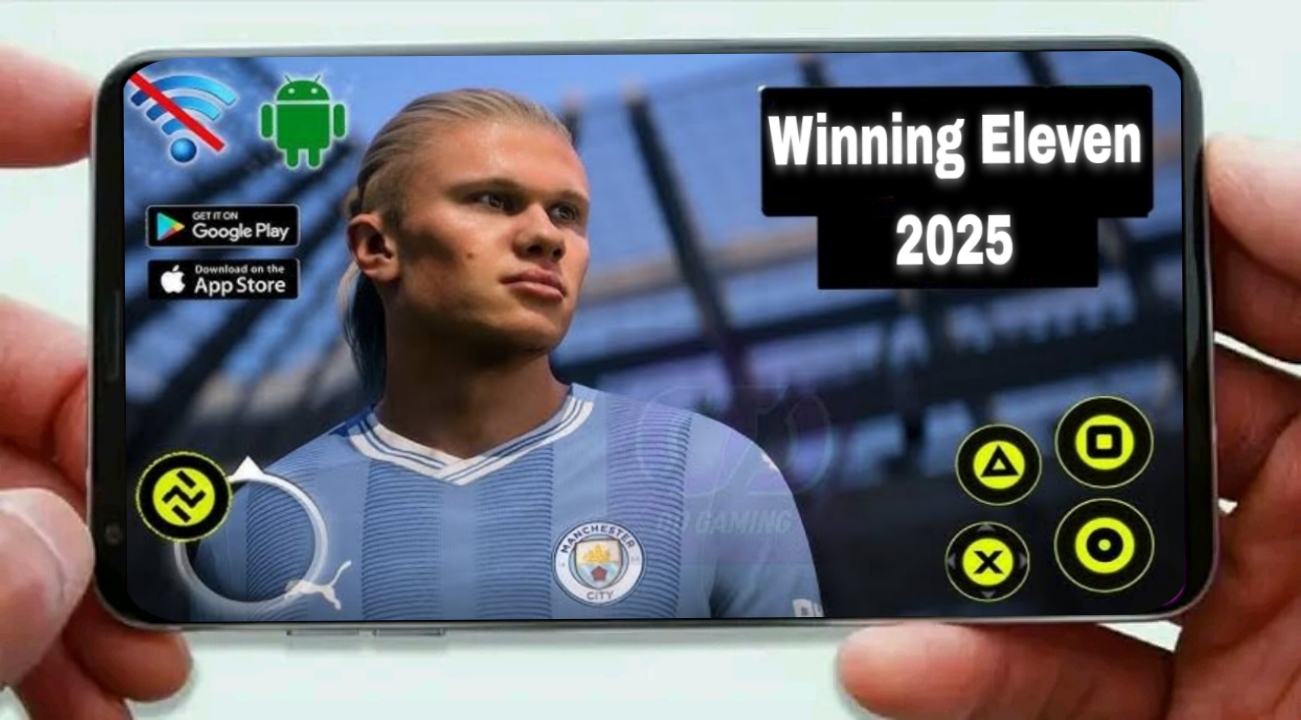
The gap between PC and Android rendering is narrowing, but differences remain noticeable. On PC, full ray tracing and ultra-high-resolution textures are standard options. On Android, the engine switches to a simplified lighting model to preserve battery life. Texture compression is also higher on mobile devices to save storage space, which can lead to slight blurriness on large screens.
Frame rate consistency is another area where the platforms diverge. PC builds can maintain a steady 60 frames per second or higher with minimal effort. Mobile versions often struggle to maintain 60 FPS in crowded scenes, occasionally dropping to 30 FPS to prevent overheating. Despite this, the core visual assets remain largely consistent, ensuring that the game looks familiar regardless of the device.
| Feature | PC Version | Android Version |
|---|---|---|
| Resolution | Up to 4K | Adaptive (720p-1080p) |
| Shadow Quality | Ultra | Medium |
| Frame Rate Cap | Uncapped | 60 FPS |
| Ray Tracing | Supported | Disabled |
After reviewing the table above, it is evident that while the PC version offers superior fidelity, the mobile version prioritizes accessibility. Gamers should choose their platform based on whether they value graphical perfection or convenience.
🎨 Graphics Settings Guide
To get the most out of eFootball 2026, users must navigate the settings menu carefully. Many players leave the default settings enabled, which may not align with their hardware capabilities. Adjusting these options can drastically improve both visual quality and performance.
For competitive players, clarity is king. Reducing shadow blur and lowering draw distance can help spot opponents faster. For casual fans who want immersion, increasing ambient occlusion and texture filtering will make the world look richer. Balancing these settings requires testing in different match situations to find the sweet spot.
- ✅ Anti-Aliasing: Essential for removing jagged edges on player outlines
- ✅ Texture Filtering: Improves sharpness of distant objects
- ✅ V-Sync: Prevents screen tearing on monitors
- ⚠️ Post-Processing: Can cause input lag if too high
🔊 Sound Design and Immersion
While this article focuses on graphics, audio cannot be ignored in the overall visual experience. Sound design complements the visuals by grounding the action in reality. The crunch of studs hitting the turf, the thud of a header, and the roar of the crowd all contribute to the sensory package.
Voice acting has improved significantly in eFootball 2026. Commentators provide live analysis that reacts to the flow of the game. Their excitement peaks during goals, and their tone shifts during defensive plays. This dynamic commentary prevents the audio from feeling repetitive, keeping the viewer engaged throughout the ninety minutes.
🏁 Final Verdict and Conclusion
eFootball 2026 presents a compelling case for graphical excellence in the football genre. By focusing on realistic skin textures, dynamic weather systems, and responsive crowd interactions, Konami has created a product that feels fresh and engaging. However, the question of whether it is overrated depends on individual expectations and hardware capabilities.
For those with high-end PCs, the game delivers stunning visuals that rival traditional sports broadcasts. For mobile users, the optimization is impressive, though compromises are necessary. Overall, the graphics are realistic enough to justify the investment, provided the player understands the limitations of their chosen platform.
❓ Frequently Asked Questions
- Does eFootball 2026 support ray tracing on consoles?
- Can I play eFootball 2026 on Windows 10?
- Is internet required to play the offline modes?
- Does the game support cross-platform play?
- How much storage space does eFootball 2026 require?
- Are there controller compatibility options?
- Does the game feature a career mode?
- Is the game free to download?
- What is the recommended GPU for smooth gameplay?
- Can I customize my team kits in detail?
Yes, next-generation consoles like the PlayStation 5 and Xbox Series X support ray tracing features, enhancing lighting and reflections significantly.
Absolutely, the game is optimized for Windows 10 and Windows 11, with drivers required for optimal performance.
No, offline training and exhibition matches do not require an active internet connection, though updates may need connectivity.
Cross-play is available between PC and console versions in specific matchmaking modes, enhancing the player pool.
The base installation requires approximately 20 GB, but additional updates and patches can increase this total significantly.
Yes, the game supports DualSense, Xbox Wireless Controllers, and various third-party gamepads natively.
Currently, the focus is on Master League style experiences and online leagues, with career progression integrated into the main menu.
Yes, eFootball 2026 follows a free-to-play model with optional microtransactions for cosmetic items and players.
An NVIDIA GTX 1060 or AMD RX 580 is recommended for stable 60 FPS at 1080p settings.
Yes, the kit editor allows for extensive customization of colors, patterns, and logos for both home and away kits.
In conclusion, eFootball 2026 stands as a testament to modern sports gaming technology. While no game is perfect, the dedication to visual authenticity sets a high bar for future titles. Players seeking a realistic football experience will find much to appreciate in the graphical overhaul, making it a worthy contender in the 2026 gaming landscape.