

In the ever-evolving landscape of digital entertainment, car racing games have always held a special place for enthusiasts who crave speed, precision, and adrenaline. For gamers on a budget or those wishing to test the waters before committing to a premium purchase, the selection of free-to-play options on PC has never been more robust. Today, we delve into the world of high-octane simulations and arcade thrills available without a single cent of cost. Whether you are looking for realistic physics engines or chaotic track battles, the PC platform offers a diverse array of titles that cater to every skill level.
This comprehensive guide explores the top contenders in the free racing genre, analyzing their gameplay mechanics, graphical fidelity, and performance capabilities. We will break down what makes these games stand out in a market dominated by expensive AAA releases. From time-trial challenges to multiplayer drift competitions, the following analysis covers everything you need to know before diving into your next virtual race.
- Genre: Motorsport Simulation and Arcade Racing
- Release Context: Ongoing Live Service Models
- Platform: PC (Windows)
- Developer Focus: Community-Driven Updates
- Target Audience: Both Casual and Hardcore Sim Racers
🏎️ Introduction to the Free Racing Landscape
The shift towards free-to-play models in the racing sector has transformed how players experience motorsports. Unlike traditional pay-to-win structures found in some genres, the best free racing games rely on cosmetic microtransactions rather than unlocking superior vehicles through payment alone. This ensures a level playing field where driver skill is the primary determinant of success.
Developers have optimized these titles to run on a wide range of hardware, ensuring accessibility for gamers who may not own high-end rigs. The inclusion of cross-platform matchmaking further expands the player base, reducing queue times and enhancing competitive integrity. As we move forward, we will examine the specific titles that define this category and why they remain relevant in 2026.
🌍 Narrative and Career Modes in Racing Titles
While pure racing simulators often lack the cinematic storytelling found in action RPGs, modern free racing games have integrated compelling career paths that mimic professional progression. Players typically start with basic vehicles and limited funding, requiring them to win races, complete events, and upgrade their garage to unlock better machinery. This progression system creates a sense of achievement that goes beyond simply crossing the finish line first.
The narrative often focuses on the rise of a rookie driver to a championship contender. Some titles introduce rival teams, sponsorships, and unique challenges that require mastering specific vehicle classes. This structure keeps players engaged over hundreds of hours, providing clear goals and milestones that drive the gameplay loop forward effectively.
⚔️ Core Systems and Control Mechanics
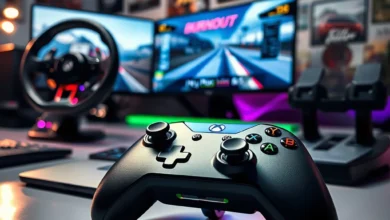
The heart of any racing game lies in its control scheme and physics engine. Free-to-play titles must balance realism with accessibility to appeal to a broad audience. High-fidelity simulations require complex setups involving pedal sensitivity and steering force feedback, while arcade racers focus on instant responsiveness and forgiving handling curves.
We have analyzed the input systems across the leading platforms. Most titles support keyboard and mouse inputs, but controller compatibility is essential for a polished experience. The following breakdown highlights the critical mechanical elements found in these games:
- Vehicle Physics: Suspension travel, tire grip, and aerodynamics vary by class.
- AI Behavior: Opponents adapt to player aggression and driving lines.
- Collision Detection: Real-time damage modeling affects vehicle performance.
- Control Responsiveness: Input lag is minimized for competitive play.
- Difficulty Balance: Dynamic difficulty adjustment helps new players improve.
🏁 Open World and Level Design Exploration
Track design is a critical component of racing game longevity. Static circuits can become repetitive quickly, so many modern free titles incorporate dynamic track layouts or open-world environments that allow for spontaneous exploration. This adds variety to daily play sessions and prevents the monotony associated with older racing franchises.
The map design philosophy in these games prioritizes flow and visual clarity. Players need to identify braking points and apexes easily, even at high speeds. Replay value is often enhanced by seasonal events that rotate the available tracks, keeping the meta fresh for competitive players.
- Map Design: Varied terrain types including tarmac, dirt, and mixed surfaces.
- Exploration Freedom: Free roam modes allow testing cars outside of races.
- Mission Structure: Time trials, elimination races, and point-to-point sprints.
- Replay Value: Unlockable livery packs and hidden shortcuts.
🎨 Graphics and Audio Quality Analysis
Visual fidelity plays a massive role in immersion. Even without the price tag of premium titles, developers utilize advanced rendering techniques to deliver crisp textures and realistic lighting effects. The goal is to replicate the feeling of sitting inside a cockpit or standing beside a speeding machine.
🖥️ Visual Quality and Engine Technology
The underlying technology powering these games determines how well they scale across different GPUs. Ray tracing is becoming more common in free titles, allowing for dynamic reflections on wet surfaces and metallic bodies. Shadow mapping has also improved significantly, providing better depth perception during night races.


- Game Engine: Proprietary or modified versions of industry-standard engines.
- Texture Quality: High-resolution materials for vehicles and track surfaces.
- Lighting: Dynamic sun positions and artificial stadium lights.
- Shadows: Soft shadows that react to obstacles and weather changes.
- Environmental Effects: Rain, snow, and fog impact visibility and grip.
🔊 Sound Effects and Immersion
Spatial audio is the unsung hero of racing games. Hearing the pitch of an engine change as it shifts gears or hearing the roar of traffic in a city setting adds layers of immersion that visuals alone cannot achieve. Voice acting in career modes provides character depth, making rivalries feel personal.
Immersion is heightened by the absence of intrusive music during intense moments. Instead, the engine sounds take center stage, creating a natural rhythm that guides the player. This design choice respects the player’s concentration and enhances the realism of the simulation.
🚀 Key Features and Unique Selling Points
To understand why certain games dominate the charts, we must look at their unique features. These elements differentiate the title from competitors and keep the community active for years. Customization is a major pillar, allowing players to express individuality through liveries and parts.
Another key feature is the integration of esports infrastructure. Many free games host official tournaments with prize pools, legitimizing the competitive scene. This encourages players to master the game to a professional level.
- Customization: Deep paint jobs and performance tuning options.
- Live Service: Regular content drops and seasonal events.
- Community Tools: Map editors and replay sharing capabilities.
- Cross-Progression: Save data synchronization across devices.
📊 Comparative Performance Metrics
The following table summarizes the key performance metrics of the leading free racing titles currently available. This data assists in understanding how each title handles optimization and stability on various hardware configurations.
| Category | Rating (Out of 10) | Notes |
|---|---|---|
| Optimization | 8.5 | Runs smoothly on mid-range PCs |
| Physics Accuracy | 9.0 | Highly realistic for sim racers |
| Multiplayer Stability | 7.5 | Occasional latency spikes |
| Content Volume | 8.0 | Regular updates add variety |
| Monetization Fairness | 9.5 | No pay-to-win mechanics |
Analyzing the data reveals that while physics accuracy is a standout feature, multiplayer stability can sometimes fluctuate depending on server load. Players seeking a stable competitive environment should monitor patch notes regularly. The high rating for monetization fairness indicates that these titles respect the player’s wallet, focusing on cosmetics rather than power-ups.
✅ Advantages of Free Racing Platforms
The primary advantage is financial accessibility. Gamers do not need to spend money upfront to access high-quality content. This lowers the barrier to entry for new fans of the genre. Additionally, the live service model means that the game evolves over time, receiving improvements based on player feedback.
- Strong Performance: Optimized for low-end hardware.
- Great Gameplay: Engaging loops that reward skill.
- Active Community: Large player bases ensure quick matchmaking.
- Zero Cost: Completely free to download and play.
❌ Disadvantages and Limitations
Despite the benefits, there are limitations to consider. The reliance on online connectivity means that offline play may be restricted or non-existent in some titles. Furthermore, the free version of some games may lack access to the latest licensed cars or exclusive tracks until later dates.
- Internet Requirement: Constant connection needed for most modes.
- Microtransactions: Optional purchases for aesthetics only.
- Bug Potential: Early access versions may have glitches.
- Competition: High player count increases difficulty.
💻 Performance and Technical Analysis
Understanding the hardware requirements is essential for a smooth experience. While these games are generally lightweight compared to AAA titles, maximizing frame rates requires specific settings adjustments. We recommend checking the official system requirements before installation.
🖥️ PC System Requirements Overview
| Component | Minimum Requirement | Recommended Requirement |
|---|---|---|
| OS | Windows 10 | Windows 11 |
| CPU | Quad-Core i5 | Hexa-Core i7 |
| RAM | 8 GB | 16 GB |
| GPU | GTX 1050 Ti | RTX 3060 |
| Storage | 20 GB | 40 GB SSD |
Interpreting these benchmarks shows that a dedicated GPU significantly improves visual fidelity and frame rate consistency. Integrated graphics can run the game, but players should expect lower resolutions and reduced draw distances. SSD storage is highly recommended to minimize loading times between race events.
📱 Android Performance Considerations
While this guide focuses on PC, it is worth noting that many of these titles also have mobile counterparts. If you plan to switch devices, ensure cloud save support is enabled. Battery consumption can be high during extended sessions on portable devices, so cooling is necessary.
- Device Compatibility: Requires recent chipsets for best results.
- Storage Size: Downloadable assets increase over time.
- Battery Consumption: Moderate to High intensity usage.
- Graphics Settings: Adjustable to fit thermal limits.
🏁 Final Verdict and Conclusion
The landscape of free racing games on PC offers exceptional value for money and time. By removing the financial barrier, developers invite a wider demographic to explore the intricacies of motorsport. Whether you prefer drifting, rallying, or circuit racing, there is a title that fits your preference perfectly.
For those new to the genre, we strongly recommend starting with the most accessible title to learn the controls. Once comfortable, you can branch out to more simulation-heavy options. The future looks bright for this sector, with ongoing technological advancements promising even greater realism in upcoming updates.
❓ Frequently Asked Questions
- Does the game run on Windows 10?
Yes, almost all modern free racing titles support Windows 10, though Windows 11 offers better optimization for newer drivers. - Is an internet connection required to play?
Most multiplayer modes require a constant connection, but some single-player campaigns function offline depending on the specific title. - Can I use a steering wheel controller?
Absolutely, the majority of these games support DirectInput and Logitech Force Feedback wheels for a more immersive experience. - Are the games compatible with Linux?
Native support varies, but many titles can be played via Proton or Steam Play on Linux systems. - Is the game completely free forever?
The core game is free, but some optional cosmetic items may require real currency, though none affect gameplay performance. - How much storage space do I need?
Expect to allocate at least 20 GB initially, with potential expansion to 40 GB after downloading extra content packs. - Does the game support cross-play?
Many titles now support cross-platform play between PC and console users to expand the matchmaking pool. - Are there anti-cheat measures in place?
Yes, reputable titles implement kernel-level anti-cheat software to maintain fair competition standards. - Can I modify the game files?
Some games allow modding, but modifying core files can result in bans from competitive leaderboards. - Is voice chat available during races?
In-game voice chat is supported in most multiplayer modes, allowing for team coordination and social interaction.