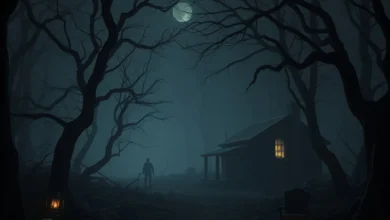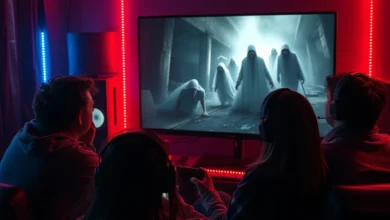

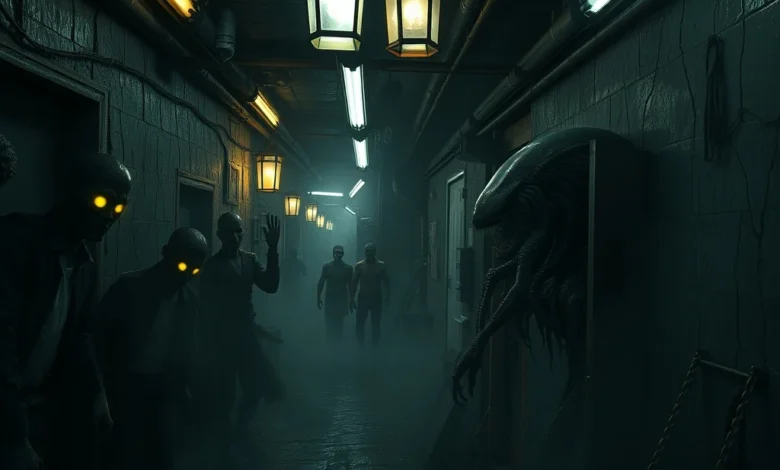
Few experiences in gaming can match the sheer terror of a well-crafted horror title. The scariest games of all time don’t just test your reflexes—they burrow into your mind, leaving behind psychological scars that linger long after the credits roll. From psychological nightmares to supernatural stalkers, these games have redefined fear in interactive entertainment. Whether you’re a seasoned horror veteran or a newcomer to the genre, this hall of fame celebrates the titles that have set the standard for terror. Prepare to relive the chills, the screams, and the moments when you swore your screen was watching you back.
👻 The Psychology of Fear in Gaming
The most terrifying games aren’t just about jump scares or grotesque enemies—they’re about manipulating your emotions, exploiting your expectations, and making you question your own sanity. Horror games thrive on psychological manipulation, using atmosphere, sound design, and narrative to create an immersive state of dread. Unlike action games where fear is fleeting, a great horror title keeps you on edge, second-guessing every shadow and whisper. This section explores how the best horror games leverage fear, from the uncanny valley of Resident Evil’s zombies to the existential horror of Silent Hill’s psychological torment.
🔪 Survival Horror vs. Psychological Horror
Survival horror games like Resident Evil and Dead Space focus on resource management, limited ammo, and relentless enemies that force you into desperate situations. These games make you feel powerless, turning every corner into a potential death trap. On the other hand, psychological horror games like P.T. and Outlast strip away combat entirely, leaving you vulnerable and reliant on stealth or escape. The fear comes from isolation, paranoia, and the slow unraveling of your sanity. Understanding these two pillars of horror gaming is key to appreciating what makes these titles so effective.
🧠 The Role of Sound and Atmosphere
Sound design is the unsung hero of horror gaming. A well-placed whisper in Silent Hill can send chills down your spine, while the eerie silence of Alien: Isolation makes you hyper-aware of your own breathing. Music, too, plays a crucial role—think of the distorted lullaby in Silent Hill 2 or the industrial cacophony of Doom 3. These audio cues aren’t just background noise; they’re tools to manipulate your emotions and keep you in a state of constant tension. The best horror games understand that fear is as much about what you hear as what you see.
🎭 Immersion Through First-Person vs. Third-Person
- ✅ First-person horror (e.g., Amnesia: The Dark Descent, Resident Evil 7) creates an intense, inescapable feeling of vulnerability. When you’re looking through the protagonist’s eyes, every shadow feels like a potential threat.
- ✅ Third-person horror (e.g., Resident Evil 2 Remake, The Evil Within) allows for more cinematic scares and environmental storytelling. Seeing your character’s reactions to horror makes the experience feel more real.
- ⚠️ Hybrid perspectives (e.g., Dead Space) can create unique tension by switching between first and third person, keeping players on their toes.
🏆 The Top Scariest Games of All Time – Ranked and Reviewed
The horror gaming hall of fame is filled with titles that have pushed boundaries, broken conventions, and terrified generations of players. Below, we rank the scariest games ever made, analyzing what makes each one a masterpiece of terror. From classic survival horror to modern psychological nightmares, these games have earned their place in the horror pantheon.
🔪 1. Resident Evil (1996) – The Birth of Survival Horror
Resident Evil didn’t just invent survival horror—it defined it. Released in 1996 by Capcom, this game introduced players to the Spencer Mansion, a labyrinthine nightmare filled with zombies, traps, and unspeakable horrors. What set Resident Evil apart was its resource management: limited ammo, healing herbs, and save rooms forced players to think strategically. The fixed camera angles and pre-rendered backgrounds added a cinematic feel, while the creepy mansion setting made every corner feel like a potential death trap. Decades later, the game’s influence is still felt in every survival horror title that followed.
What Makes Resident Evil So Terrifying?
- ✅ Resource scarcity – Limited ammo and healing items create constant tension.
- ✅ Claustrophobic environments – The Spencer Mansion feels like a living nightmare where escape is impossible.
- ✅ Unpredictable enemies – Zombies don’t just attack in waves; they lurk in dark corners, waiting to ambush you.
- ✅ Permanent death (in some versions) – Lose all your saves, and you’re starting from scratch.
👻 2. Silent Hill 2 (2001) – The Masterpiece of Psychological Horror
Silent Hill 2 isn’t just a horror game—it’s a psychological descent into madness. Developed by Konami, this game follows James Sunderland as he searches for his deceased wife in the fog-choked town of Silent Hill. But the real horror isn’t the monsters; it’s the psychological torment James faces as he confronts his own guilt, grief, and repressed memories. The game’s distorted lullaby, surreal environments, and unreliable narrator make it one of the most disturbing experiences in gaming history. Unlike traditional horror games, Silent Hill 2 doesn’t rely on jump scares—it preys on your fear of the unknown.
Why Silent Hill 2 Stands Above the Rest
- ✅ Deep psychological themes – The monsters aren’t just enemies; they’re manifestations of James’ guilt.
- ✅ Atmospheric dread – The town itself feels alive, changing based on James’ mental state.
- ✅ Ambiguous storytelling – Is Silent Hill real, or is it all in James’ head? The game refuses to give easy answers.
- ✅ Unforgettable sound design – Akira Yamaoka’s haunting soundtrack is a character in itself.
🧟 3. Amnesia: The Dark Descent (2010) – The Game That Redefined Fear
Amnesia: The Dark Descent didn’t just scare players—it redefined how horror games could work. Developed by Frictional Games, this first-person horror masterpiece stripped away combat entirely, leaving players completely defenseless. Armed only with a lantern and your wits, you explore the Brennenburg Castle, a gothic nightmare filled with unspeakable horrors. The game’s sanity mechanic was revolutionary: the more you looked at monsters, the more your character’s sanity deteriorated, warping the environment and making the game even more terrifying. Amnesia proved that horror didn’t need jump scares or gore to be effective—sometimes, the scariest thing is the unknown.
What Made Amnesia So Innovative?
- ✅ No combat system – Players can’t fight back, making every encounter a desperate escape.
- ✅ Sanity mechanic – The longer you stay in the dark, the more the world distorts, creating a psychological nightmare.
- ✅ Immersive storytelling – The game’s lore is told through notes and environmental clues, encouraging exploration.
- ✅ Mod support – The Custom Stories modding community kept the game alive for years, introducing new horrors.
🛸 4. Alien: Isolation (2014) – The Ultimate Stalker Horror
Alien: Isolation isn’t just a horror game—it’s a cat-and-mouse chase against one of cinema’s most iconic monsters. Developed by Creative Assembly, this game puts players in the role of Amanda Ripley, daughter of Ellen Ripley, as she searches for her mother’s lost ship. But the real star of the show is the Xenomorph, an AI-driven predator that learns from your actions. Unlike traditional horror games where enemies follow scripts, Alien: Isolation’s Xenomorph adapts to your playstyle, making every encounter unpredictable. The game’s retro-futuristic aesthetic, atmospheric sound design, and relentless tension make it a modern classic.
Why Alien: Isolation is a Horror Masterpiece
- ✅ Adaptive AI – The Xenomorph doesn’t just chase you; it hunts you, learning from your mistakes.
- ✅ Immersive atmosphere – The Sevastopol Station feels alive, with NPCs going about their business until the Xenomorph strikes.
- ✅ No traditional combat – The only way to survive is to hide, run, or distract the creature.
- ✅ Retro-futuristic horror – The game’s aesthetic blends the sleek sci-fi of Alien with the claustrophobic tension of Aliens.
🔪 5. The Evil Within (2014) – Shinji Mikami’s Return to Horror
The Evil Within is the brainchild of Shinji Mikami, the creator of Resident Evil and Resident Evil 4. This game is a love letter to classic survival horror, blending body horror, psychological terror, and relentless combat. Players take on the role of Detective Sebastian Castellanos, who wakes up in a nightmarish world where reality itself is distorted. The game’s distorted environments, grotesque enemies, and unpredictable physics make it a standout in the genre. Mikami’s signature style is on full display, creating a game that’s as much a tribute to horror as it is a terrifying experience in its own right.
What Sets The Evil Within Apart?
- ✅ Body horror mechanics – Enemies mutate and twist, creating some of the most disturbing visuals in gaming.
- ✅ Non-Euclidean geometry – The game’s world warps and bends, making navigation disorienting and terrifying.
- ✅ Relentless combat – Unlike Amnesia, you can fight back, but the game punishes recklessness.
- ✅ Psychological depth – The game’s story explores themes of madness, guilt, and existential dread.
🎮 Gameplay Mechanics That Define Horror
Horror games aren’t just about scares—they’re about gameplay mechanics that enhance the terror. Whether it’s limited resources, unpredictable AI, or psychological manipulation, the best horror games use mechanics to keep players on edge. Below, we break down the key systems that make these games so effective—and how they contribute to the overall horror experience.
⚔️ Combat vs. No Combat – The Horror Dilemma
One of the most debated aspects of horror games is combat. Some players prefer the power fantasy of fighting back, while others thrive in the helplessness of games like Amnesia or Outlast. Each approach has its strengths and weaknesses:

| Combat Style | Pros | Cons | Best For |
|---|---|---|---|
| Combat-Enabled Horror (e.g., Resident Evil, The Evil Within) | Gives players a sense of control, allows for strategic gameplay. | Can trivialize fear, may lead to repetitive gameplay. | Players who want to fight back and feel powerful. |
| No Combat Horror (e.g., Amnesia, Outlast) | Forces players to rely on stealth and wits, creates intense helplessness. | Can feel unfair if the game is too difficult, may frustrate players. | Players who want a pure horror experience without combat. |
| Hybrid Combat Horror (e.g., Dead Space, Alien: Isolation) | Balances tension and empowerment, offers varied gameplay. | Requires careful balancing to maintain horror. | Players who want both combat and horror. |
Analysis: The best horror games understand that combat isn’t just about fighting—it’s about control. Games like Resident Evil 4 use combat to create a power fantasy where players feel like they’re making progress, while games like Amnesia use the absence of combat to create absolute helplessness. The key is balance: too much combat can trivialize fear, while too little can frustrate players. The hybrid approach, seen in games like Dead Space, offers the best of both worlds by giving players tools to defend themselves but making those tools limited and risky.
🤖 AI Behavior – When Enemies Feel Alive
The most terrifying horror games don’t just have scary enemies—they have enemies that feel alive. Whether it’s the Xenomorph’s adaptive hunting in Alien: Isolation or the AI Director’s unpredictable spawns in Left 4 Dead, great horror AI keeps players on their toes. The best AI doesn’t just chase you—it learns from your behavior, making every encounter unique. This is why games like Alien: Isolation and The Evil Within feel so fresh even on repeat playthroughs.
Examples of Masterful Horror AI
- ✅ Alien: Isolation – The Xenomorph adapts to your playstyle, learning from your mistakes and becoming more aggressive over time.
- ✅ Outlast – The asylum’s guards patrol with unpredictable schedules, forcing players to time their movements carefully.
- ✅ P.T. – The ghost’s movement patterns change based on your actions, creating a sense of paranoia and unpredictability.
- ✅ The Evil Within – Enemies use environmental clues to hunt you, making stealth essential.
🌑 Lighting and Visibility – The Art of Playing in the Dark
Lighting is one of the most powerful tools in horror game design. A well-lit environment can feel safe, while darkness can turn a simple hallway into a death trap. Games like Resident Evil 7 and Alien: Isolation use lighting to control pacing, forcing players into brief moments of visibility before plunging them back into darkness. This technique creates a rollercoaster of tension, where players are constantly balancing the need to see with the risk of being seen.
| Lighting Technique | Effect on Gameplay | Example Games |
|---|---|---|
| Dynamic Lighting | Shifts based on player actions, creating unpredictable scares. | Alien: Isolation, Resident Evil 7 |
| Flashlights and Lanterns | Give temporary visibility but attract enemies. | Amnesia, The Evil Within |
| Flickering Lights | Creates a sense of instability and unease. | Silent Hill 2, P.T. |
| Total Darkness | Forces players to rely on sound and memory, creating intense helplessness. | Amnesia, SOMA |
Analysis: Lighting isn’t just about visibility—it’s about psychological manipulation. A flickering light can make players hyper-aware of their surroundings, while total darkness forces them to rely on sound and memory. The best horror games use lighting to create rhythms of tension and relief, keeping players on edge without overwhelming them. For example, Resident Evil 7 uses limited visibility to force players into claustrophobic spaces, where every creak of the floorboard could mean death.
🎨 Graphics and Audio – The Unsung Heroes of Horror
While gameplay mechanics and AI are crucial, the visual and auditory design of a horror game can make or break the experience. A well-crafted horror game uses graphics to create atmosphere and sound to manipulate emotions. From the grotesque body horror of The Evil Within to the haunting silence of Alien: Isolation, these elements work together to immerse players in a world of terror.
🖥️ Visual Design – Creating a Nightmare World
The best horror games don’t just have scary enemies—they have scary worlds. Whether it’s the decaying opulence of Resident Evil 7’s Baker Estate or the surreal nightmare landscapes of Silent Hill 2, the environments themselves are characters in the story. The key to great horror visuals is immersion: making the world feel alive, hostile, and unpredictable.
Key Visual Techniques in Horror Games
- ✅ Environmental storytelling – Abandoned buildings, bloodstains, and eerie notes tell the story without words.
- ✅ Distorted reality – Non-Euclidean geometry (e.g., The Evil Within) and surreal imagery (e.g., Silent Hill) create a sense of unease.
- ✅ Body horror – Mutated enemies and grotesque designs (e.g., The Evil Within, Dead Space) push the boundaries of what’s comfortable.
- ✅ Lighting contrasts – Bright, safe spaces juxtaposed with dark, dangerous areas (e.g., Resident Evil 2 Remake).
🔊 Sound Design – The Heart of Horror
Sound is the most powerful tool in a horror game’s arsenal. A well-placed whisper can send chills down your spine, while the absence of sound can make your own breathing feel like a death knell. The best horror games use sound to create atmosphere, tension, and psychological manipulation.
How Sound Enhances Horror
- ✅ Ambient noise – Creaking floors, distant screams, and eerie whispers create a sense of presence.
- ✅ Music – The distorted lullaby in Silent Hill 2 or the industrial cacophony in Doom 3 sets the tone for the entire experience.
- ✅ Silence – A sudden absence of sound can be more terrifying than any jump scare (e.g., Alien: Isolation).
- ✅ Footsteps and movement – The sound of an enemy’s footsteps approaching or a player’s own heartbeat can heighten tension.
🌍 The Evolution of Horror Gaming
Horror gaming has come a long way since the days of Pac-Man and Sweet Home. From the pixelated horrors of the 80s to the photorealistic nightmares of today, the genre has evolved in leaps and bounds. But what drives this evolution? How have horror games changed over the years, and what does the future hold? In this section, we explore the history of horror gaming, the key milestones, and the trends shaping the genre today.
🕹️ The Early Days – Survival Horror is Born
The roots of survival horror can be traced back to the 1980s and 1990s, when games like Sweet Home (1989) and Alone in the Dark (1992) introduced players to the concept of limited resources and story-driven horror. These early games were technically limited, relying on pre-rendered backgrounds and fixed camera angles to create atmosphere. But despite their limitations, they laid the groundwork for what was to come.
🎮 The Golden Age – Survival Horror Reaches Its Peak
The late 1990s and early 2000s marked the golden age of survival horror, with games like Resident Evil, Silent Hill, and Fatal Frame redefining the genre. These games introduced 3D graphics, voice acting, and more complex storytelling, allowing for deeper immersion. The PS1 and PS2 eras were particularly influential, with titles like Resident Evil 4 (2005) revolutionizing combat mechanics and Silent Hill 2 (2001) setting a new standard for psychological horror.
💀 The Modern Era – Horror Goes Indie and AAA
In the 2010s, horror gaming diversified, with both AAA studios and indie developers pushing the boundaries of the genre. Games like Amnesia: The Dark Descent (2010) proved that horror didn’t need high budgets to be effective, while titles like Alien: Isolation (2014) showed that AAA horror could still deliver terrifying experiences. The rise of early access and modding communities also allowed for more experimental horror games, like P.T. (2014) and SOMA (2015).
🔮 The Future of Horror Gaming
As technology advances, so too does the potential for horror gaming. Virtual reality, procedural generation, and AI-driven storytelling are just a few of the innovations that could shape the future of horror. Imagine playing a horror game where the enemies adapt to your playstyle in real-time, or a game where the story changes based on your decisions. The possibilities are endless, and the scariest games of the future may be even more immersive—and more terrifying—than anything we’ve seen before.
🎯 Frequently Asked Questions About the Scariest Games
- Are these games suitable for beginners, or do they require prior horror gaming experience?
The scariest games on this list vary in difficulty and accessibility. Games like Resident Evil 7 and Alien: Isolation are great for beginners because they offer clear objectives and manageable tension. However, titles like Amnesia: The Dark Descent and Outlast are much more challenging due to their no-combat mechanics and unpredictable AI. If you’re new to horror gaming, start with Resident Evil 7 or Dead Space before tackling the more intense experiences.
- Which of these games is the most psychologically disturbing?
Without a doubt, Silent Hill 2 is the most psychologically disturbing game on this list. While P.T. and The Evil Within also delve into deep psychological themes, Silent Hill 2’s storytelling, symbolism, and unreliable narrator make it a uniquely disturbing experience. The game’s monsters aren’t just enemies—they’re manifestations of the protagonist’s guilt and trauma, making the horror personal and haunting.
- Do any of these games have multiplayer modes?
Most of the games on this list are single-player experiences, but there are a few exceptions. Dead Space (2023 remake) includes a co-op mode where two players can tackle the horrors together. Left 4 Dead is another horror game with a strong multiplayer focus, though it’s more of a zombie shooter than a traditional survival horror title. If you’re looking for multiplayer horror, Dead by Daylight is also a great choice, though it’s not included in this hall of fame.
- Are these games available on all platforms?
The availability of these games depends on the platform. Most are available on PC and consoles, but a few have limited availability. For example, P.T. was only available as a free demo for the PS4 before being removed, and Resident Evil 7 is available on PC, PS4, and Xbox One. Always check the platform requirements before purchasing.
- Which game is the most replayable?
If replayability is your goal, Alien: Isolation is the best choice. The game’s adaptive AI means that the Xenomorph behaves differently each time you play, making every encounter unpredictable. The Evil Within is also highly replayable due to its non-linear design and multiple endings. For a more narrative-driven experience, Silent Hill 2 offers deep symbolism and hidden lore that rewards multiple playthroughs.
- Do these games have jump scares, and how effective are they?
Jump scares are a common tool in horror games, but their effectiveness varies widely. Games like Resident Evil 7 and Dead Space use jump scares sparingly to maximize impact, while titles like Amnesia and Outlast rely more on atmospheric dread than cheap scares. The best horror games use jump scares as a last resort, saving them for moments when the player is already on edge. If you’re sensitive to jump scares, games like Alien: Isolation and Silent Hill 2 are better choices.
- Are there any horror games on this list that are not suitable for children?
Absolutely. All the games on this list are rated Mature (17+) for a reason. They contain violence, psychological horror, body horror, and disturbing themes that are not suitable for younger audiences. If you’re looking for horror games for teens, consider Cuphead (not horror but challenging) or Little Nightmares (a puzzle-platformer with mild horror elements).
- Which game has the most disturbing visuals?
While all the games on this list have disturbing elements, The Evil Within is arguably the most visually grotesque. The game’s body horror is extreme, with enemies that twist, mutate, and dissolve into flesh and bone. If you’re squeamish, this game may be too intense. Other visually disturbing games include Resident Evil 7 (with its decapitations and gore) and Dead Space (with its disembowelment mechanics).
- Do any of these games have DLC or expansions?
Yes! Some of the games on this list have DLC or expansions that add new content. For example, Resident Evil 7 has the Not a Hero and End of Zoe DLCs, which expand on the main story. Dead Space (2023 remake) also includes expansion content. Always check the official store pages for additional content.
- Which game is the best for players who want a long story?
If you’re looking for a deep, narrative-driven horror experience, Silent Hill 2 is the best choice. The game’s story is rich with symbolism, and the multiple endings encourage multiple playthroughs. The Evil Within is also a strong contender, with a complex story and multiple endings. For a more action-oriented narrative, Resident Evil 7 offers a compelling story with character development and environmental storytelling.
🏁 Final Verdict – Which Scariest Game is Right for You?
The world of horror gaming is vast and varied, with each title offering a unique experience. Whether you’re a fan of psychological horror, survival horror, or supernatural stalkers, there’s a game on this list that will terrify you in the right way. But which one is right for you? That depends on your preferences and tolerance for fear.
If you’re new to horror gaming, start with Resident Evil 7 or Dead Space. These games offer a balance of combat and tension, making them accessible for beginners. If you’re looking for a pure psychological nightmare, Silent Hill 2 is a must-play. For players who want unpredictable, adaptive horror, Alien: Isolation is the ultimate choice. And if you’re a fan of noir and body horror, The Evil Within will leave you sleeping with the lights on.
No matter which game you choose, one thing is certain: these are the titles that have defined horror gaming for generations. They’ve terrified players, broken conventions, and set new standards for fear in interactive entertainment. So, dim the lights, turn up the volume, and prepare to face your worst nightmares.
Which of these scariest games will you dare to play? The choice is yours—but choose wisely. The shadows are watching.