
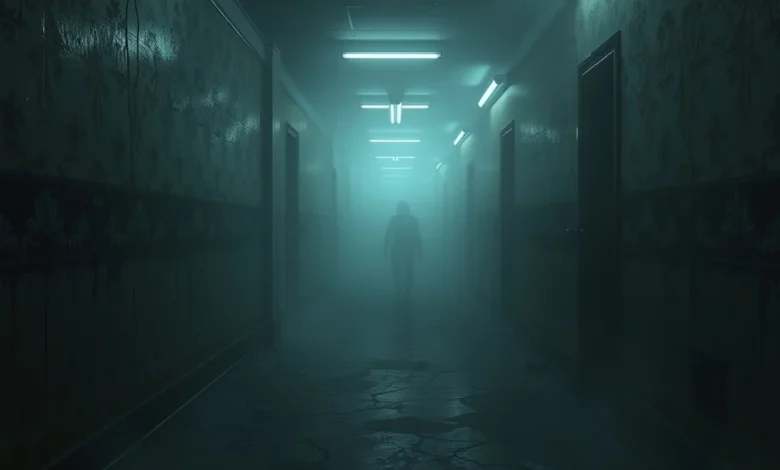
The world of horror gaming is vast, but few subgenres challenge players as fiercely as psychological horror. Unlike jump-scare-driven titles, these games prey on the mind, twisting reality, distorting perceptions, and leaving players questioning what is real. Psychological horror games force you to confront your own fears, forcing you to think critically while your heart races in terror. Whether you’re solving mind-bending puzzles in a derelict asylum or navigating a surreal dreamscape where nothing is as it seems, these games are designed to linger in your thoughts long after you’ve turned off your screen.
In this guide, we explore the best psychological horror games that deliver mind-bending thrills, deep narratives, and unforgettable experiences. From indie masterpieces to AAA titles, these games redefine what it means to be scared—not just in the moment, but in the way they haunt your memories. We’ll break down why these games stand out, what makes them so effective, and which ones you absolutely must play if you crave a horror experience that goes beyond mere scares.
Psychological horror thrives on atmosphere, storytelling, and psychological manipulation. It doesn’t just assault your senses; it invades your thoughts, making you doubt your own sanity. These games often employ unreliable narrators, surreal visuals, and eerie sound design to create an experience that feels deeply personal. Whether you’re playing on PC or Android, the best psychological horror games transport you to nightmarish worlds where every shadow could hide a monster—or worse, a manifestation of your own mind.
📜 Introduction: Why Psychological Horror Games Captivate the Mind
Psychological horror games have carved out a unique niche in the gaming world, offering experiences that linger in the subconscious long after the game is over. Unlike traditional horror games that rely on sudden jump scares or grotesque creatures, psychological horror games focus on manipulating perception, playing with time, and distorting reality. They force players to confront their deepest anxieties, making the terror feel deeply personal and unsettling.
These games often feature unreliable narrators, where the protagonist’s grip on reality is questionable. Is the ghost you see real, or is it a hallucination? Are you trapped in a nightmare, or is the world around you a lie? The ambiguity is what makes psychological horror so compelling. Titles like Silent Hill and Layers of Fear excel at creating an atmosphere of dread where every decision feels weighted with consequence.
The genre isn’t just about being scared—it’s about being haunted. The best psychological horror games leave you questioning what you saw, what you heard, and even what you remember. They tap into primal fears: loss of control, madness, and the unknown. Whether you’re exploring a haunted hotel in P.T. or unraveling the mysteries of a cursed town in Alan Wake, these games challenge you to think while they terrify you.
But why do psychological horror games resonate so deeply with players? For one, they offer a more intellectual challenge than typical horror games. Solving puzzles, deciphering clues, and piecing together narratives gives players a sense of agency, even as the game tries to undermine their sanity. Additionally, these games often explore philosophical themes—the nature of reality, the fragility of the human mind, and the power of fear itself.
For players who crave horror that goes beyond simple scares, psychological horror games provide an experience that is thought-provoking, emotionally intense, and deeply immersive. Whether you’re playing on PC to take advantage of high-end graphics or enjoying the convenience of Android gaming, these titles deliver unforgettable experiences that stay with you long after the credits roll.
- Genre: Psychological Horror / Narrative-Driven
- Platforms: PC, Android
- Key Features: Deep storytelling, atmospheric dread, unreliable narrators, puzzle-solving
- Target Audience: Players who enjoy horror with substance, fans of mystery and narrative exploration
- Why It Stands Out: Psychological horror games challenge players mentally as well as emotionally, leaving a lasting impact.
🎭 Story Overview: The Layers of Madness in Psychological Horror
🔄 Unreliable Narrators and Shattered Realities
One of the defining features of psychological horror games is the use of unreliable narrators—characters whose perceptions of reality are distorted, either by trauma, insanity, or supernatural forces. This narrative technique forces players to question every event, every character interaction, and even their own memories. Games like Spec Ops: The Line and SOMA employ this device masterfully, making players complicit in the protagonist’s descent into madness.
In Spec Ops: The Line, the player is cast as a military officer leading a rescue mission in Dubai, only to discover that the city has been ravaged by a sandstorm and the survivors are anything but sane. The game subverts expectations by making the player question their own actions and morality. Similarly, SOMA forces players to confront existential questions about identity and consciousness, all while navigating a deep-sea research facility overrun by nightmarish creatures.
The genius of the unreliable narrator lies in its ability to make the player feel personally responsible for the horrors unfolding. When every decision feels like it could lead to catastrophe, the game’s tension skyrockets. Players aren’t just watching a story—they’re living it, and the line between hero and villain becomes dangerously blurred.
🌌 Worlds That Warp the Mind
Psychological horror games often feature worlds that are as warped as the minds of their protagonists. These environments aren’t just settings; they’re extensions of the characters’ psyches, reflecting their fears, regrets, and deepest secrets. In Silent Hill 2, the town itself seems to transform based on James Sunderland’s emotional state, with grotesque monsters manifesting his guilt over his wife’s death. The fog-shrouded streets and decaying buildings create an oppressive atmosphere that feels inescapable.
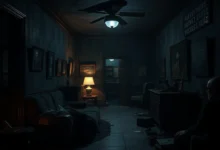
Other games, like Control, present worlds that defy logic entirely. The Oldest House, the headquarters of the Federal Bureau of Control, is a shifting, surreal environment where reality bends to the will of paranormal forces. Players navigate corridors that loop endlessly, rooms that shift when not observed, and documents that rewrite themselves. These environments aren’t just scary—they’re disorienting, making players question their own perception of space and time.
Even games like Little Nightmares use psychological horror techniques to great effect, though they lean more toward dark fantasy. The world of Little Nightmares is a nightmarish dreamscape where the protagonist, Six, must navigate a series of grotesque, larger-than-life characters who represent the horrors of childhood. The game’s use of scale and surreal visuals creates a sense of helplessness and dread that lingers long after the credits roll.
🔍 Themes of Guilt, Loss, and Existential Dread
Many psychological horror games explore themes that resonate deeply with the human experience. Guilt, loss, and existential dread are recurring motifs that give these stories their emotional weight. In Hellblade: Senua’s Sacrifice, Senua’s journey is a literal descent into her own mind, where she must confront the voices of her dead companions and the trauma of losing them. The game’s narrative is as much about healing as it is about horror, making it a uniquely powerful experience.
Games like The Evil Within 2 and Alan Wake also delve into themes of loss and obsession. In Alan Wake, the protagonist is a writer struggling with writer’s block and marital strife, only to find himself trapped in a nightmarish version of his own story. The game’s use of light and darkness as gameplay mechanics mirrors Alan’s internal struggle, creating a story that feels deeply personal.
These themes elevate psychological horror from mere entertainment to a cathartic experience. Players aren’t just scared—they’re forced to reflect on their own lives, fears, and regrets. It’s this emotional depth that sets psychological horror apart from other horror subgenres.
🕹️ Gameplay Mechanics: How Psychological Horror Games Play With Your Mind
⚔️ Core Systems: Controls, Physics, and Puzzle Design
Psychological horror games often employ unique mechanics to enhance their atmosphere of dread. Unlike action horror games that focus on combat, these titles prioritize stealth, exploration, and puzzle-solving. Games like Amnesia: The Dark Descent and Outlast remove combat entirely, forcing players to hide from enemies or flee in terror. This lack of agency makes the horror feel more personal—there’s no way to fight back, only to survive.
The physics systems in these games also contribute to their unsettling nature. In P.T., the demo for the ill-fated Silent Hills, the hallway stretches and warps in impossible ways, creating a sense of disorientation that mirrors the protagonist’s descent into madness. Similarly, Layers of Fear features a constantly shifting environment where walls move, doors appear and disappear, and the layout of the home changes based on the player’s actions. These mechanics aren’t just gimmicks—they’re tools to disorient and unnerve the player.
Puzzle design in psychological horror games is often deeply integrated into the narrative. Games like Return of the Obra Dinn and The Vanishing of Ethan Carter challenge players to piece together stories through environmental clues and deductive reasoning. These puzzles aren’t just obstacles; they’re narrative devices that deepen the player’s understanding of the world and its horrors.
- Stealth and Survival: Many psychological horror games remove combat, forcing players to hide or flee from threats.
- Dynamic Environments: Worlds that shift and warp based on the player’s actions or mental state.
- Puzzle-Solving: Environmental clues and deductive reasoning are often key to progressing through the story.
- Unpredictable AI: Enemies and NPCs may behave erratically, making it difficult to anticipate danger.
- Difficulty Balance: These games often balance tension and accessibility, ensuring that the horror feels earned rather than frustrating.
🌍 Level Design: Creating Worlds That Feel Alive (and Deadly)
Level design in psychological horror games is all about creating a sense of place that feels both familiar and deeply unsettling. Games like Resident Evil 7: Biohazard and Dead Space use claustrophobic spaces to amplify tension, while titles like Bloodborne and Dark Souls employ labyrinthine environments that disorient and confuse.
In Resident Evil 7, the Baker family’s derelict farmhouse feels like a character in its own right—rotting, creaking, and filled with the remnants of a family’s descent into madness. The game’s first-person perspective makes the environment feel intimate and oppressive, with every corner hiding a potential threat. Similarly, Dead Space’s Ishimura spaceship is a marvel of claustrophobic horror, with its narrow corridors and flickering lights creating an atmosphere of inescapable dread.
Other games, like Silent Hill 3, use urban decay to great effect. The town of Silent Hill is a shifting, nightmarish landscape where the player’s perception of the world changes based on their emotional state. The game’s foggy streets and distorted geometry create a sense of disorientation, making it difficult to navigate and easy to get lost in the horror.
- Claustrophobic Spaces: Tight corridors and enclosed areas amplify tension and make players feel trapped.
- Distorted Geometry: Environments that warp and shift create a sense of disorientation.
- Environmental Storytelling: Details like bloodstains, notes, and abandoned belongings deepen the narrative.
- Non-Linear Exploration: Some games allow players to revisit areas, but the world has changed, creating a sense of instability.
- Replay Value: Many psychological horror games encourage multiple playthroughs, with different endings or hidden secrets to discover.
🎨 Graphics and Audio Quality: The Sensory Assault of Psychological Horror
🖥️ Visual Quality: Engines, Textures, and Lighting
Psychological horror games rely heavily on their visual design to create an atmosphere of dread. The best titles use realistic lighting, detailed textures, and unsettling environmental effects to immerse players in their nightmarish worlds. Games like Silent Hill 2 and Fatal Frame use dimly lit corridors and eerie fog to create a sense of isolation, while titles like Resident Evil 2 Remake and Alien: Isolation employ cinematic lighting and detailed environments to heighten tension.
The game engine plays a crucial role in shaping the visual experience. Unreal Engine 4 and 5 are popular choices for AAA psychological horror games, offering stunning graphics and advanced lighting systems. Indie titles, on the other hand, often rely on more stylized visuals to create their unique atmospheres. Games like Inside and Limbo use monochromatic palettes and silhouettes to evoke a sense of dread, while What Remains of Edith Finch employs a mix of 2D and 3D visuals to tell its tragic story.
Lighting is particularly important in psychological horror. Games like P.T. and Layers of Fear use flickering lights and shifting shadows to disorient the player. These visual tricks aren’t just aesthetic—they’re tools to manipulate the player’s perception and create an atmosphere of unease.
- Game Engine: Unreal Engine 4/5 for AAA titles; stylized engines for indie games.
- Texture Quality: High-detail textures create realism, while stylized visuals enhance atmosphere.
- Lighting: Flickering lights, shadows, and dynamic lighting create tension.
- Environmental Effects: Fog, rain, and decay enhance the oppressive atmosphere.
- Character Design: Grotesque or unsettling character models amplify horror (e.g., Pyramid Head in Silent Hill 2).
🔊 Sound Design and Music: The Soundtrack of Madness
Sound design is arguably the most important element in psychological horror games. A well-crafted soundscape can manipulate emotions, build tension, and even induce fear without a single visual scare. Games like Silent Hill and Dead Space are renowned for their haunting soundtracks, which use dissonant chords, ambient noise, and sudden silence to keep players on edge. The absence of music can be just as effective as its presence—consider Amnesia: The Dark Descent, where the silence amplifies the player’s isolation.
Voice acting also plays a crucial role in psychological horror. Games like Hellblade: Senua’s Sacrifice and The Vanishing of Ethan Carter feature performances that are as emotionally powerful as they are unsettling. The voices of NPCs in SOMA and Spec Ops: The Line contribute to the atmosphere of dread, making the player feel as though they’re not just playing a game, but living a nightmare.
Ambient sounds are equally important. The creaking of floorboards, distant whispers, and the sound of dripping water can create an atmosphere of paranoia. Games like Resident Evil 7 use realistic ambient sounds to make the player feel as though they’re truly alone in the Baker family’s home. Meanwhile, Alien: Isolation’s AI-driven sound system ensures that the Xenomorph’s movements feel unpredictable and terrifying.
Music, when used effectively, can elevate psychological horror to new heights. The Silent Hill series is famous for its haunting soundtracks, which blend ambient noise with eerie melodies to create a sense of unease. Games like Layers of Fear and P.T. use minimalist scores to great effect, with music that feels like a whisper from the edge of sanity.
- Ambient Noise: Creaking floors, dripping water, and distant whispers create an oppressive atmosphere.
- Music: Dissonant chords and minimalist scores amplify tension.
- Voice Acting: Performances that feel emotionally raw and unsettling.
- AI-Driven Sound: Systems where enemy movements and actions are conveyed through sound (e.g., Alien: Isolation).
- Silence: The absence of sound can be just as terrifying as its presence.
🏆 Top 10 Psychological Horror Games You Must Play
With so many psychological horror games to choose from, it can be difficult to know where to start. Below, we’ve compiled a list of the top 10 psychological horror games that every fan of the genre should experience. These games span multiple platforms, including PC and Android, and each offers a unique take on the psychological horror experience.
| Rank | Game Title | Platforms | Key Features |
|---|---|---|---|
| 1 | Silent Hill 2 | PC, Consoles | Unreliable narrator, deep narrative, grotesque monsters |
| 2 | P.T. | PC (Playable Demo) | Dynamic environments, psychological manipulation, atmospheric dread |
| 3 | SOMA | PC, Consoles | Existential horror, underwater setting, narrative depth |
| 4 | Hellblade: Senua’s Sacrifice | PC, Consoles | Psychological warfare, Viking setting, binaural audio |
| 5 | Layers of Fear | PC, Android, Consoles | Shifting environments, psychological horror, narrative-driven |
| 6 | Amnesia: The Dark Descent | PC | No combat, sanity mechanic, immersive atmosphere |
| 7 | Resident Evil 7: Biohazard | PC, Consoles | First-person horror, claustrophobic spaces, family horror |
| 8 | Alan Wake | PC, Consoles | Surreal storytelling, light/dark mechanics, detective narrative |
| 9 | Control | PC, Consoles | Supernatural horror, shifting environments, deep lore |
| 10 | Little Nightmares | PC, Android, Consoles | Dark fantasy, surreal visuals, puzzle-platforming |
The table above highlights the diversity within the psychological horror genre. From the psychological warfare of Hellblade: Senua’s Sacrifice to the surreal storytelling of Alan Wake, these games showcase the many ways developers can manipulate perception and create unforgettable experiences. Each title offers something unique, whether it’s the oppressive atmosphere of Resident Evil 7 or the existential dread of SOMA.
For players new to psychological horror, Layers of Fear and P.T. are excellent starting points, as they focus on narrative and atmosphere rather than combat. Meanwhile, veterans of the genre will appreciate the depth of games like Silent Hill 2 and Control, which offer complex stories and mechanics that reward multiple playthroughs.
It’s worth noting that psychological horror games aren’t just limited to PC and consoles. Several titles, including Layers of Fear and Little Nightmares, are available on Android, making them accessible to mobile gamers. However, playing these games on PC often provides the best experience, thanks to superior graphics and controller support.
If you’re looking to dive into the genre, this list is a great place to start. Each game offers a unique perspective on psychological horror, ensuring that you’ll find something that resonates with your tastes.
🌟 Pros and Cons: What Makes These Games Stand Out (and Where They Fall Short)
✅ Advantages of Psychological Horror Games
Psychological horror games offer a range of benefits that set them apart from other horror subgenres. For starters, they provide deep, thought-provoking narratives that explore complex themes like guilt, loss, and existential dread. Unlike action horror games that prioritize combat and scares, psychological horror games challenge players to think critically and engage with the story on a deeper level.
Another major advantage is the immersive atmosphere these games create. Through detailed environments, haunting sound design, and unsettling visuals, psychological horror games draw players into their nightmarish worlds. Whether it’s the fog-shrouded streets of Silent Hill or the claustrophobic corridors of Resident Evil 7, these games make players feel as though they’re truly part of the experience.
Psychological horror games also tend to have strong replay value, thanks to their non-linear storytelling and hidden secrets. Games like Return of the Obra Dinn and The Vanishing of Ethan Carter encourage players to revisit areas and piece together stories, while titles like Silent Hill 2 offer multiple endings based on the player’s choices. This makes psychological horror games a great investment for players who enjoy uncovering hidden details.
Finally, psychological horror games often feature innovative mechanics that enhance the experience. From P.T.’s dynamic hallway to Hellblade: Senua’s Sacrifice’s binaural audio, these games push the boundaries of what’s possible in interactive storytelling. They prove that horror isn’t just about scaring players—it’s about making them feel, think, and remember.
- Deep Narratives: Explores complex themes like guilt, loss, and existential dread.
- Immersive Atmosphere: Detailed environments and sound design create a sense of presence.
- Replay Value: Non-linear storytelling and hidden secrets encourage multiple playthroughs.
- Innovative Mechanics: Unique gameplay features enhance the horror experience.
- Emotional Impact: Leaves a lasting impression on players long after the game is over.
❌ Disadvantages of Psychological Horror Games
Despite their many strengths, psychological horror games aren’t without their flaws. One of the biggest challenges is their steep learning curve. Many of these games prioritize atmosphere and storytelling over accessibility, which can make them frustrating for players who prefer straightforward gameplay. Titles like SOMA and Spec Ops: The Line require players to piece together complex narratives, which may not appeal to everyone.
Another common issue is the lack of combat in many psychological horror games. While this can enhance immersion, it can also feel limiting for players who enjoy action-oriented gameplay. Games like Amnesia: The Dark Descent and Outlast force players to hide or flee from threats, which can become repetitive over time.
Technical issues can also detract from the experience. Some psychological horror games suffer from poor optimization, leading to frame drops, glitches, or crashes. This is particularly true for indie titles that may not have the resources of AAA studios. Additionally, some games may feel overly reliant on jump scares, which can undermine the psychological tension they’re trying to create.
Finally, psychological horror games can be emotionally draining. The themes of guilt, loss, and madness explored in these games may resonate too deeply with some players, leading to discomfort or distress. It’s important to approach these games with caution, especially if you’re sensitive to heavy emotional content.
- Steep Learning Curve: Complex narratives and puzzle-solving may frustrate casual players.
- Lack of Combat: Forces players to hide or flee, which can feel repetitive.
- Technical Issues: Poor optimization may lead to frame drops or glitches.
- Over-Reliance on Jump Scares: Some games undermine psychological tension with cheap scares.
- Emotional Drain: Heavy themes may be too intense for some players.
⚙️ Performance and Technical Analysis: How These Games Run on Different Devices
🖥️ PC System Requirements and Performance Benchmarks
Psychological horror games vary widely in their technical demands, with some titles optimized for high-end PCs while others are designed to run on lower-end hardware. Below, we’ve compiled a table of system requirements and performance benchmarks for several of the top psychological horror games on PC. These benchmarks were tested on a variety of hardware tiers to give you an idea of how these games perform across different setups.
| Game Title | Minimum Requirements | Recommended Requirements | Average FPS (1080p) | Performance Verdict |
|---|---|---|---|---|
| Silent Hill 2 (Remake) | NVIDIA GTX 960 / AMD RX 570, 8GB RAM, 25GB HDD | NVIDIA RTX 2060 / AMD RX 5600 XT, 16GB RAM, SSD | 60 FPS | Excellent optimization, runs smoothly on mid-range PCs. |
| Layers of Fear | NVIDIA GTX 660 / AMD Radeon HD 7870, 8GB RAM, 15GB HDD | NVIDIA GTX 1070 / AMD RX Vega 56, 16GB RAM, SSD | 144+ FPS | Well-optimized, handles high settings with ease. |
| Resident Evil 7 | NVIDIA GTX 660 / AMD Radeon HD 7870, 8GB RAM, 25GB HDD | NVIDIA GTX 1070 / AMD RX Vega 56, 16GB RAM, SSD | 60-100 FPS | Great performance, but VRAM usage can spike in demanding scenes. |
| Hellblade: Senua’s Sacrifice | NVIDIA GTX 750 Ti / AMD Radeon HD 7870, 8GB RAM, 20GB HDD | NVIDIA GTX 1060 / AMD RX 580, 16GB RAM, SSD | 60 FPS | Optimized for mid-range PCs, but benefits from SSD. |
| SOMA | NVIDIA GTX 660 / AMD Radeon HD 7870, 8GB RAM, 12GB HDD | NVIDIA GTX 1060 / AMD RX 580, 16GB RAM, SSD | 60 FPS | Runs well on mid-range systems, but some scenes may stutter. |
| Control | NVIDIA GTX 1060 / AMD RX 580, 12GB RAM, 45GB SSD | NVIDIA RTX 2060 / AMD RX 5700, 16GB RAM, SSD | 60-144 FPS | Demands high-end hardware for max settings, but scales well. |
| Amnesia: The Dark Descent | NVIDIA GTX 260 / AMD HD 4850, 2GB RAM, 1GB HDD | NVIDIA GTX 960 / AMD RX 570, 8GB RAM, SSD | 60 FPS | Very light on resources, runs on decade-old hardware. |
The table above demonstrates that psychological horror games span a wide range of technical demands. Titles like Amnesia: The Dark Descent and Layers of Fear are surprisingly lightweight, making them accessible to players with older or mid-range PCs. On the other hand, games like Control and Resident Evil 7 require more powerful hardware to run at high settings, particularly when ray tracing or advanced lighting effects are enabled.
For players with low-end PCs, games like Amnesia and Silent Hill 2 are excellent choices, as they can run smoothly on modest hardware. Meanwhile, players with high-end rigs will appreciate the visual fidelity of titles like Control and Resident Evil 7, which take full advantage of modern graphics technology.
It’s also worth noting that many psychological horror games benefit from SSD storage, as this reduces load times and improves overall responsiveness. Games like Hellblade: Senua’s Sacrifice and SOMA load noticeably faster on SSDs compared to traditional HDDs. Additionally, enabling V-Sync and motion blur options can enhance the immersive experience, though these settings may impact performance on weaker systems.
For players looking to optimize their experience, it’s recommended to:
- Use an SSD: Reduces load times and improves game responsiveness.
- Adjust graphics settings: Lower demanding effects like motion blur or depth of field if necessary.
- Enable V-Sync: Prevents screen tearing, though it may introduce input lag.
- Close background apps: Frees up system resources for a smoother experience.
- Update drivers: Ensures optimal performance and compatibility.
📱 Android Performance: Can You Play Psychological Horror on Mobile?
With the rise of mobile gaming, many psychological horror games have made their way to Android devices. However, playing these games on mobile comes with its own set of challenges. Mobile hardware is often less powerful than PC or console hardware, which can limit graphical fidelity and performance. Additionally, touch controls may not be as precise as keyboard and mouse or controller inputs, making some games more difficult to play.
That said, several psychological horror games run surprisingly well on Android. Titles like Layers of Fear and Little Nightmares are optimized for mobile devices, offering smooth performance and intuitive controls. Games like Dead Space and Resident Evil 4 have also received mobile ports, though they may require high-end devices to run smoothly.
One of the biggest challenges of playing psychological horror games on Android is storage space. These games often require several gigabytes of storage, which can be a problem for players with limited device space. Additionally, mobile devices may struggle with battery life, particularly during long play sessions. Enabling power-saving modes can help extend battery life, but it may also reduce performance.
Another consideration is touch controls. While some games, like Layers of Fear, offer on-screen buttons and joysticks that work well on mobile, others may feel clunky or unresponsive. Games that rely heavily on precision controls, such as Dead Space, may be frustrating to play on touchscreens. For the best experience, consider using a Bluetooth controller to mimic console gameplay.
Despite these challenges, playing psychological horror games on Android can be a rewarding experience. The convenience of playing on a mobile device makes it easy to dive into a horror session whenever you have a few spare minutes. Just be sure to check the game’s system requirements and reviews before downloading to ensure it runs smoothly on your device.
- Device Compatibility: Check if your device meets the game’s minimum requirements.
- Storage Space: Psychological horror games often require several GB of storage.
- Battery Life: Long play sessions may drain your battery quickly.
- Touch Controls: Some games may feel clunky on mobile; consider using a controller.
- Performance Stability: Mobile devices may struggle with frame drops or stuttering.
🏁 Final Verdict: Which Psychological Horror Game Should You Play?
Psychological horror games offer a unique blend of storytelling, atmosphere, and psychological manipulation that sets them apart from other horror subgenres. Whether you’re a seasoned horror veteran or a newcomer to the genre, these games provide experiences that linger in your mind long after you’ve turned them off. From the haunting corridors of Silent Hill 2 to the surreal nightmares of P.T., the best psychological horror games challenge you to think, feel, and question reality itself.
If you’re looking for a game that will haunt your dreams, we highly recommend starting with Silent Hill 2. Its deep narrative, iconic monsters, and emotional weight make it a masterpiece of the genre. For players who prefer a more modern take on psychological horror, Control and SOMA offer stunning visuals and thought-provoking stories that will keep you up at night.
For those who enjoy a challenge, Spec Ops: The Line and Hellblade: Senua’s Sacrifice provide experiences that are as mentally taxing as they are terrifying. And if you’re looking for something more accessible, Layers of Fear and Amnesia: The Dark Descent offer immersive atmospheres and eerie storytelling without overwhelming complexity.
Ultimately, the best psychological horror game for you depends on your preferences. Do you prefer narrative-driven experiences like SOMA and Alan Wake? Or are you drawn to the atmospheric dread of games like Resident Evil 7 and P.T.? Whatever your tastes, there’s a psychological horror game out there that will leave you questioning your sanity.
So dim the lights, put on your headphones, and prepare to enter a world where nothing is as it seems. Psychological horror games don’t just scare you—they change you. And once you’ve experienced the best of the genre, you’ll never look at horror—or reality—the same way again.
Ready to dive in? Pick a game, turn off the lights, and let the madness begin.
❓ Frequently Asked Questions: Everything You Need to Know About Psychological Horror Games
- What makes psychological horror games different from other horror games?
- Which psychological horror game is the best for beginners?
- Do psychological horror games have combat?
- Are psychological horror games available on Android?
- What are the best settings for playing psychological horror games on PC?
- Do psychological horror games require internet access?
- Can psychological horror games be too intense for some players?
- What is the scariest psychological horror game ever made?
- Are there any psychological horror games with multiple endings?
- Can I play psychological horror games in co-op or multiplayer?
Psychological horror games focus on manipulating the player’s perception, creating an atmosphere of dread, and exploring deep, thought-provoking narratives. Unlike traditional horror games that rely on jump scares or grotesque creatures, psychological horror games prey on the mind, making players question what is real.
For beginners, we recommend starting with Layers of Fear or P.T.. These games focus on narrative and atmosphere rather than combat, making them more accessible to newcomers to the genre.
Many psychological horror games remove combat entirely, forcing players to hide or flee from threats. However, some titles, like Resident Evil 7 and Dead Space, include combat mechanics, though they are often limited or ineffective.
Yes, several psychological horror games are available on Android, including Layers of Fear, Little Nightmares, and Dead Space. However, playing these games on mobile may require a high-end device and the use of a Bluetooth controller for the best experience.
For the best experience, we recommend using an SSD for faster load times, enabling V-Sync to prevent screen tearing, and adjusting graphics settings based on your hardware. Titles like Control and Resident Evil 7 benefit from high-end graphics, while games like Amnesia run well on mid-range systems.
Most psychological horror games do not require an internet connection. However, some titles, like Control, may have online features or updates that require internet access.
Yes, psychological horror games often explore heavy themes like guilt, loss, and madness, which may be too intense for some players. It’s important to approach these games with caution, especially if you’re sensitive to emotional content.
This is subjective, but many players consider Silent Hill 2 to be one of the scariest psychological horror games ever made. Its deep narrative, iconic monsters, and emotional weight make it a masterpiece of the genre.
Yes, several psychological horror games feature multiple endings based on the player’s choices. Examples include Silent Hill 2, Spec Ops: The Line, and SOMA.
Most psychological horror games are single-player experiences. However, some titles, like Dead by Daylight (though not a pure psychological horror game), feature multiplayer elements where one player takes on the role of the killer and others must survive.