
The world of survival horror has always been a place where psychological dread meets visceral terror, and few titles have managed to capture that essence quite like The Evil Within 2. Developed by Tango Gameworks and published by Bethesda Softworks, this sequel to the critically acclaimed original brings the nightmare to a new level of immersion. Set in the twisted reality of the STEM system, players step into the shoes of Sebastian Castellanos, a former detective searching for his daughter amidst a town consumed by chaos. This article will explore the most terrifying moments in the game, analyzing the design choices that make it a masterpiece of fear. With its focus on atmosphere, combat mechanics, and narrative depth, The Evil Within 2 stands as a benchmark for modern horror gaming.
Understanding the context of the story is crucial to appreciating the horror elements. The game takes place in a dystopian version of Union, a town that serves as a digital construct within the STEM system. This environment allows for surreal transformations, where the mundane becomes monstrous. The developers utilized the RE Engine to create photorealistic textures and dynamic lighting that heighten the sense of unease. As players progress, they encounter enemies that challenge their sanity and their ability to fight back. This breakdown will not only highlight the scares but also examine why they work so effectively within the framework of the game.
🏚️ The Nightmare Setting of Union
🌑 Atmosphere and Environmental Storytelling
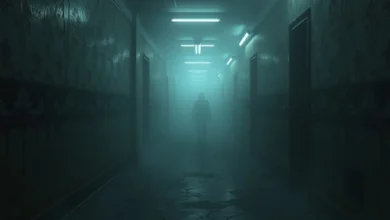
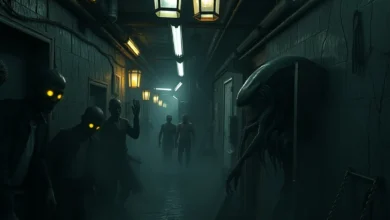
The town of Union is not merely a backdrop; it is an active antagonist that shifts and changes based on the psychological state of the STEM system. The environment is designed to make the player feel isolated and vulnerable. Narrow alleyways, flickering streetlights, and abandoned buildings create a claustrophobic experience that feels oppressive. The sound design plays a critical role here, with distant screams and the creaking of wood adding to the tension. Every step feels heavy, as if the town itself is watching for mistakes.
Pro Tip: Pay attention to the environmental details, as they often hint at the location of hidden items or upcoming threats.
- ✅ Crowded streets feel empty to create isolation
- 🎯 Dynamic weather changes affect visibility and mood
⚠️ Dark corridors hide deadly ambushes
🏥 The Hospital and Medical Horror
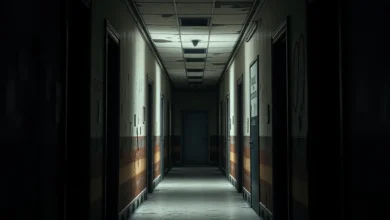
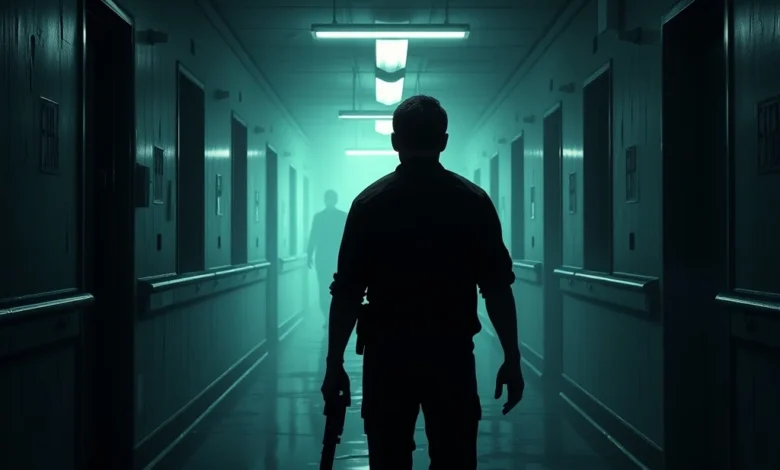
One of the most iconic locations in the game is the hospital, which serves as a hub for many of the early chapters. The medical setting provides a fertile ground for body horror and the fear of loss of control. Corridors are lined with medical equipment that has been repurposed for torture, and the walls seem to bleed when the player is under fire. The contrast between sterile white tiles and the gore that stains them creates a jarring visual experience. This juxtaposition amplifies the feeling that something is fundamentally wrong with the world.
The hospital chapter introduces the player to the concept of the Executioner, a towering enemy that embodies the fear of violence and helplessness. The lighting in this section is often dim, forcing players to rely on flashlights or ambient light sources. This mechanic forces players to manage their resources while navigating a space filled with potential threats. The sound of footsteps echoing in the hallway adds a layer of tension that is hard to shake.
🩸 Top Terrifying Encounters
👹 The Executioner Boss Fight
Perhaps the most memorable enemy in the game is the Executioner. This massive humanoid figure wields a large cleaver and moves with a terrifying speed despite its size. The fight is designed to be overwhelming, forcing the player to rely on stealth and strategy rather than direct confrontation. The sheer scale of the enemy makes the player feel small and insignificant. When the Executioner charges, the screen shakes, and the sound design emphasizes the impact of its movements.
Defeating the Executioner requires patience and precision. Players must learn to dodge at the last second and attack during openings. This encounter is a test of the player’s mastery of the combat system. The psychological impact of facing a boss that is larger than life leaves a lasting impression. It represents the ultimate physical threat in the game, contrasting with the more subtle horror of other enemies.
🧠 The Monolith and Reality Shifts
The Monolith is another key element that contributes to the horror experience. This structure shifts and changes, altering the layout of the game world. This mechanic disrupts the player’s sense of space and orientation. When the Monolith activates, the environment warps, and familiar paths become distorted. This creates a sense of disorientation that mimics the experience of a nightmare.
The Monolith also serves as a gateway to different levels of the STEM system. Each level presents new challenges and new monsters. The transition between these levels is often marked by a sudden shift in music and lighting. This transition is designed to catch the player off guard, increasing the risk of surprise attacks. The unpredictability of the Monolith makes the game feel dangerous at all times.
🧠 Psychological Horror Elements
😱 The STEM System and Mental Fragility
The STEM system is the core narrative device that allows for the surreal horror elements. It is a construct that allows users to enter a digital reality where the laws of physics and logic can be bent. This concept allows the game to introduce enemies that defy natural laws. For example, enemies may appear out of nowhere or change form during combat. This unpredictability keeps the player on edge.
Sebastian’s mental state is constantly under pressure, and the game reflects this through visual distortions and audio cues. The narrative explores the theme of grief and guilt, which are powerful triggers for horror. The player is constantly reminded of Sebastian’s past and his relationship with his daughter. This emotional weight adds a layer of depth to the scares, making them feel more personal.

👻 Enemy AI and Behavior Patterns
The artificial intelligence of the enemies is designed to be aggressive and adaptive. They do not follow simple patrol routes; instead, they react to the player’s actions. If the player makes noise, enemies will investigate the source. This forces players to be cautious when moving through the environment. The AI also uses flanking tactics, making it difficult to fight them in open spaces.
- ✅ Enemies coordinate attacks to overwhelm the player
- 🎯 Stealth is often the best option for survival
- ⚠️ Noisy weapons attract more threats
The behavior of the enemies changes based on the difficulty setting. On higher difficulties, enemies become more resilient and aggressive. This adds replay value to the game, as players must adapt their strategies. The AI is a key component of the horror experience, ensuring that the player never feels completely safe.
🎨 Visual and Audio Design
🖥️ RE Engine Fidelity and Lighting
The RE Engine powers a stunning visual experience that brings the horror to life. The lighting system is particularly impressive, with dynamic shadows and realistic reflections. This technology allows for a high level of detail in the textures and models. The dark areas are truly dark, which adds to the tension. Players must rely on their flashlights, which creates a natural spotlight effect that highlights the immediate danger.
The color palette is often desaturated, with shades of gray and muted reds dominating the screen. This choice reinforces the grim atmosphere of the game. The visual quality is not just about realism but about mood. Every frame is designed to evoke a sense of unease. The attention to detail in the environments, from the rust on the metal to the dirt on the walls, makes the world feel lived-in and tragic.
🔊 Soundscapes and Immersion
The audio design is just as important as the visuals. The soundtrack is minimalistic, often using low-frequency drones to create tension. Sudden loud noises are used to startle the player, but they are rare, making them more effective. The sound of footsteps, the creaking of doors, and the moans of the dead are all meticulously crafted.
Music plays a crucial role in setting the tone for different areas. In the hospital, the music is often mechanical and cold. In the town, it is more organic and chaotic. The sound design also includes ambient noise that suggests the presence of enemies even when they are not visible. This auditory cue system is a vital tool for survival.
📊 Performance and Technical Analysis
💻 PC System Requirements
The game runs on the RE Engine, which is optimized for performance. However, it is a demanding title that requires a decent hardware setup for the best experience. Players should ensure their system meets the minimum requirements to avoid stuttering or crashes. The graphics settings allow for customization, so players with weaker hardware can still enjoy the game at a playable frame rate.
| Component | Minimum Requirement | Recommended Requirement |
|---|---|---|
| OS | Windows 7/8/10 | Windows 10 |
| Processor | Intel Core i5 2300 or AMD FX 6350 | Intel Core i5 2500 or AMD FX 6300 |
| Memory | 6 GB RAM | 8 GB RAM |
| Graphics | NVIDIA GeForce GTX 660 or AMD Radeon HD 7870 | NVIDIA GeForce GTX 970 or AMD Radeon R9 390 |
Performance Note: The game scales well on high-end hardware, offering ray-tracing support in later updates. Players with RTX cards can experience more realistic lighting and shadows. This enhances the horror atmosphere significantly.
📱 Mobile Considerations
While The Evil Within 2 is primarily a PC and console title, the game has been optimized for various platforms. Mobile versions are not officially supported due to the high graphical demands. However, cloud gaming services allow players to access the game on mobile devices. This ensures that players with limited hardware can still experience the horror.
- ✅ High-end PCs run smoothly at 60 FPS
- 🎯 VR support adds immersion for brave players
- ⚠️ Console versions may have frame rate drops in busy areas
✅ Pros and Cons
👍 Strengths and Highlights
The game excels in several areas that make it a standout title in the horror genre. The narrative is engaging, and the characters are well-developed. The combat system is fluid and responsive, allowing for a variety of playstyles. The environments are detailed and atmospheric, contributing to the overall immersion. The sound design is top-tier, creating a sensory experience that lingers long after the game is over.
👎 Weaknesses and Criticisms
Despite its strengths, the game has some drawbacks. The combat can become repetitive, as players may find themselves using the same strategies throughout. Some puzzles are overly complex and can halt progress. The difficulty spike in certain sections can be frustrating for casual players. Additionally, the game does not offer a significant story change based on player choices, which limits replayability for some.
- ✅ High production values
- 🎯 Compelling story
- ⚠️ Repetitive combat mechanics
🏁 Final Verdict
The Evil Within 2 is a triumph of survival horror that delivers on its promise of terror. It successfully combines psychological horror with action elements, creating a balanced experience. The game is best suited for players who enjoy challenging gameplay and immersive storytelling. Fans of the original will find plenty to love in this sequel. However, newcomers should be prepared for a steep learning curve.
If you are looking for a game that will keep you on the edge of your seat, this is a must-play. The attention to detail and the commitment to creating a scary atmosphere make it a standout title. Whether you prefer stealth or combat, the game offers enough variety to keep you engaged. It is a testament to the power of horror games to evoke genuine fear.
❓ Frequently Asked Questions
- Does The Evil Within 2 run on Windows 10?
Yes, the game is fully compatible with Windows 10 and offers optimized performance on this operating system. - Can I play The Evil Within 2 with a controller?
Absolutely, the game supports a wide range of controllers, including Xbox and PlayStation gamepads. - Is the game difficult for beginners?
Yes, the game has a high difficulty curve, but there are settings to adjust the challenge level. - Does the story change based on my choices?
The main story remains consistent, but minor choices can affect dialogue and some endings. - Is internet required to play?
A permanent internet connection is required for certain features, but single-player campaigns can be played offline. - Are there any unlockable secrets?
Yes, there are hidden items and Easter eggs scattered throughout the game for observant players. - Can I save my progress anywhere?
You can save your progress at checkpoints and safe zones, but manual saving is limited. - Does the game support VR?
Yes, the game has VR support for a more immersive experience on compatible headsets. - Is there multiplayer content?
No, the game is a single-player experience focused on the story. - How long is the main campaign?
The main story takes approximately 15 to 20 hours to complete.
In conclusion, The Evil Within 2 remains a landmark title in the horror genre. Its ability to blend narrative depth with visceral scares makes it a timeless classic. Whether you are a veteran of survival horror or a newcomer, this game offers a unique and unforgettable experience. The scariest moments are not just about jump scares, but about the lingering dread that follows you long after the screen goes black.