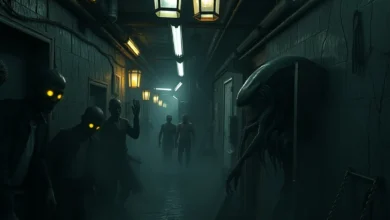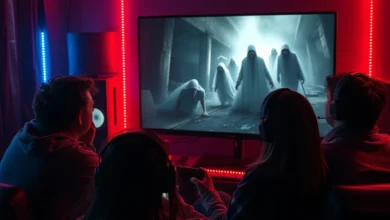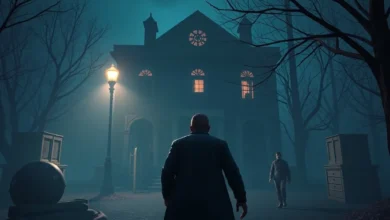

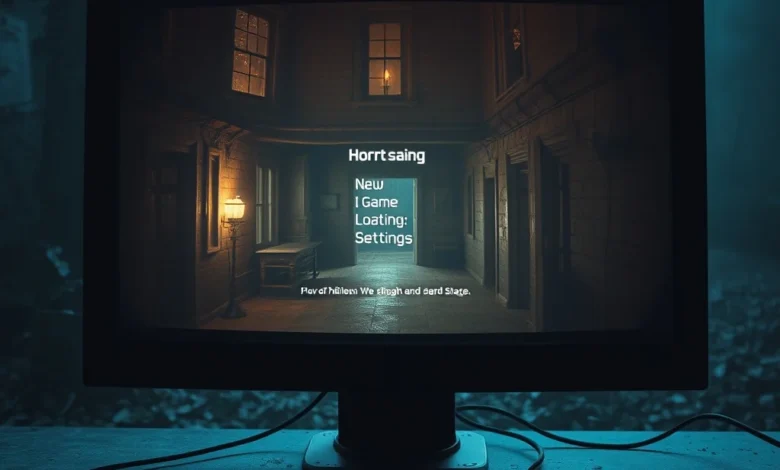
For horror fans with low-end PCs, finding games that deliver chills without demanding high-end hardware can be a daunting task. Many modern horror titles require powerful graphics cards and processors, leaving budget-conscious gamers in the dark. Fortunately, the gaming community has produced a wealth of terrifying experiences that run smoothly even on modest machines. These games prove that you don’t need an expensive setup to enjoy spine-tingling suspense, eerie atmospheres, and psychological horror. In this guide, we’ll explore the best low-end PC horror games that prioritize atmosphere and storytelling over cutting-edge graphics, ensuring that every player can experience the thrill of fear.
🎃 Why Low-End Horror Games Matter
Horror games thrive on immersion and tension rather than visual fidelity. A well-crafted horror game can send shivers down your spine with minimal graphical demands by focusing on sound design, narrative depth, and psychological dread. Many indie developers have mastered this art, creating experiences that feel personal and terrifying without relying on photorealistic textures or high frame rates. For players with older or budget PCs, these games offer an accessible way to dive into the horror genre without hardware limitations holding them back.
Additionally, low-end horror games often come with smaller file sizes, making them easier to download and install. They also tend to have lower system requirements, meaning they can run on laptops, older desktops, or even netbooks. This accessibility ensures that horror fans who cannot afford to upgrade their hardware can still enjoy the genre’s best offerings. Whether you’re a seasoned horror enthusiast or a newcomer looking to test your nerves, these games provide an affordable and terrifying experience.
🕸️ Top 10 Low-End PC Horror Games for Maximum Fear
Below is a carefully curated list of the best horror games that run smoothly on low-end PCs. These games span various subgenres, from psychological horror to survival, ensuring there’s something for every type of horror fan. Each entry includes a brief overview of its unique features and why it’s worth playing.
- Amnesia: The Dark Descent (2010)
- Genre: Psychological Horror / Survival
- Developer: Frictional Games
- Why It’s Great: This classic horror game revolutionized the genre with its immersive first-person perspective and emphasis on atmosphere over combat. Players must navigate a dark, eerie castle while avoiding monsters, relying on stealth and wit to survive. Its minimal system requirements make it a perfect choice for low-end PCs.
- Key Features:
- No combat mechanics – players must hide or run away
- Richly detailed environments with a haunting soundtrack
- Deep narrative with a dark and mysterious storyline
- Supports older hardware with customizable graphics settings
- Slender: The Eight Pages (2012)
- Genre: Survival Horror / Psychological
- Developer: Parsec Productions
- Why It’s Great: Inspired by the internet’s creepypasta lore, this short but intense game tasks players with collecting pages while being hunted by the faceless Slender Man. Its minimalist design and reliance on tension rather than graphics make it a perfect fit for low-end systems.
- Key Features:
- Simple controls with a focus on exploration and fear
- Procedurally generated maps to keep gameplay fresh
- No complex mechanics – easy to pick up but hard to put down
- Runs smoothly on almost any PC, even integrated graphics
- Outlast (2013)
- Genre: Survival Horror / First-Person
- Developer: Red Barrels
- Why It’s Great: Outlast is a masterclass in horror storytelling, dropping players into an asylum filled with deranged inmates and unspeakable horrors. The game’s lack of combat forces players to rely solely on their wits and the environment to survive. Its stylized graphics and emphasis on sound design ensure it runs well even on older hardware.
- Key Features:
- No combat – players can only run and hide
- Found-footage style cinematography for added immersion
- Brutal and unpredictable enemy AI that keeps players on edge
- Low system requirements with impressive atmospheric detail
- Lone Survivor (2012)
- Genre: Psychological Horror / Survival
- Developer: Jasper Byrne
- Why It’s Great: Lone Survivor blends pixel-art visuals with deep psychological horror, creating a unique and unsettling experience. Players take on the role of a survivor in a post-apocalyptic world, navigating a surreal dreamscape filled with nightmarish creatures. Its retro aesthetic and minimal system demands make it a standout choice for low-end PCs.
- Key Features:
- Pixel-art graphics with a retro horror aesthetic
- Branching narrative with multiple endings
- Turn-based combat for strategic survival
- Runs flawlessly on integrated graphics and low-end CPUs
- Five Nights at Freddy’s (2014)
- Genre: Survival Horror / Point-and-Click
- Developer: Scott Cawthon
- Why It’s Great: This indie hit became a cultural phenomenon by blending simple mechanics with relentless tension. Players must monitor security cameras and close doors to survive against animatronic monsters in a haunted pizzeria. Its minimal graphics and straightforward gameplay make it a breeze to run on any PC.
- Key Features:
- Point-and-click mechanics with a focus on timing and strategy
- Creepy pixel-art visuals that enhance the horror
- Multiple sequels and spin-offs with varying difficulty
- Extremely low system requirements – runs on even the weakest hardware
- The Cat Lady (2012)
- Genre: Psychological Horror / Narrative-Driven
- Developer: Remedy Entertainment
- Why It’s Great: The Cat Lady is a dark, surreal journey that explores themes of depression, suicide, and redemption. Its hand-painted visuals and deep narrative make it a standout in the horror genre. Despite its emotional weight, the game runs smoothly on low-end systems thanks to its stylized art style.
- Key Features:
- Deep philosophical themes wrapped in horror
- Hand-painted visuals with a unique artistic style
- Multiple endings based on player choices
- Low system requirements with a focus on storytelling
- Cry of Fear (2012)
- Genre: Survival Horror / First-Person
- Developer: Team Psykskallar
- Why It’s Great: Originally a Half-Life mod, Cry of Fear evolved into a standalone horror game with a dark, Lovecraftian storyline. Its retro-style graphics and atmospheric sound design create a deeply unsettling experience. The game’s low system requirements ensure it runs flawlessly on older hardware.
- Key Features:
- Retro first-person shooter mechanics with horror elements
- Dark, Lovecraftian narrative with multiple endings
- Customizable difficulty and graphics settings
- Runs smoothly on integrated graphics from the early 2000s
- Ib (2012)
- Genre: Psychological Horror / Adventure
- Developer: ryou0704
- Why It’s Great: Ib is a hauntingly beautiful adventure game that follows a young girl exploring a surreal art gallery filled with nightmarish creatures. Its hand-drawn visuals and melancholic soundtrack create an eerie atmosphere. The game’s simplicity and low system demands make it a perfect choice for low-end PCs.
- Key Features:
- Hand-drawn visuals with a dreamlike aesthetic
- Puzzle-based gameplay with a focus on exploration
- Deep emotional storytelling with tragic undertones
- Runs effortlessly on any PC, even with integrated graphics
- Neverending Nightmares (2013)
- Genre: Psychological Horror / Narrative-Driven
- Developer: Infinitap Games
- Why It’s Great: This game blends psychological horror with deep emotional themes, following a man trapped in a cycle of nightmares. Its ink-sketch visuals and minimalist design create a uniquely unsettling experience. The game’s low system requirements ensure it runs smoothly on older hardware.
- Key Features:
- Ink-sketch visuals with a dark, artistic style
- Branching narrative with multiple endings
- Exploration-based gameplay with puzzle elements
- Extremely low system demands – ideal for low-end PCs
- Yume Nikki (2004)
- Genre: Surreal Horror / Exploration
- Developer: Kikiyama
- Why It’s Great: Often described as a masterpiece of surreal horror, Yume Nikki follows a girl exploring a dream world filled with bizarre creatures and eerie landscapes. Its pixel-art visuals and lack of traditional combat make it a unique experience. The game’s minimal system requirements ensure it runs on virtually any PC.
- Key Features:
- Surreal dream world exploration with no combat
- Minimalist pixel-art visuals with deep symbolism
- Extensive modding community for endless replayability
- Runs flawlessly on even the oldest hardware
🔥 How to Optimize Horror Games for Low-End PCs
Playing horror games on a low-end PC doesn’t mean you have to sacrifice performance or visual quality. With the right settings and optimizations, you can enhance your gaming experience while keeping your system running smoothly. Below, we’ll explore practical tips to get the most out of your low-end hardware without compromising on fear.
⚙️ Graphics Settings That Matter
When it comes to optimizing horror games for low-end PCs, prioritizing performance over visual fidelity is key. Focus on settings that impact performance the most, such as resolution, shadows, and particle effects. Reducing these settings can significantly improve frame rates and reduce lag, which is crucial for maintaining immersion in horror games.
- Resolution: Lowering the resolution is one of the most effective ways to boost performance. Even dropping from 1920×1080 to 1280×720 can make a noticeable difference in frame rates.
- Shadows: Shadows are often one of the most demanding graphical elements. Disabling or reducing shadow quality can drastically improve performance without sacrificing too much visual appeal.
- Particle Effects: Effects like fog, smoke, and debris can weigh heavily on low-end systems. Reducing or disabling these effects can help maintain smooth gameplay.
- Textures: While textures are important for immersion, lower-resolution textures can still look good on smaller screens. Opt for lower texture quality if your system struggles.
- Anti-Aliasing: Anti-aliasing smooths jagged edges but can be taxing on older hardware. Disabling or using a lower setting (like FXAA instead of MSAA) can improve performance.
🎵 Audio Optimization for Maximum Fear
Sound design is a critical component of horror games, and optimizing your audio settings can enhance the experience without impacting performance. Many horror games rely on subtle sounds, whispers, and ambient noise to build tension, so ensuring your audio is clear and immersive is essential.
- Volume Levels: Adjust the volume of in-game sounds and music separately. Some players prefer louder ambient sounds for immersion, while others may want to hear footsteps clearly.
- Headphones vs. Speakers: If possible, use headphones to fully immerse yourself in the game’s audio. Headphones provide better spatial sound, making it easier to pinpoint enemy locations or eerie noises.
- Equalizer Settings: Many modern sound systems and audio drivers allow for equalizer adjustments. Boosting lower frequencies can enhance the impact of bass-heavy sounds, such as distant growls or creaking doors.
- Subtitles: Enable subtitles if you’re playing in a noisy environment. Horror games often feature whispered dialogue or indistinct speech, and subtitles ensure you don’t miss critical plot points.
🖥️ Performance-Boosting Tools and Software
Several third-party tools can help optimize your system for gaming, even if your hardware is outdated. These tools can tweak settings, free up resources, and improve overall performance without requiring expensive upgrades.
- MSI Afterburner: This tool allows you to monitor and adjust your GPU settings, including fan speeds and overclocking (if your hardware supports it). It also provides real-time performance metrics to help you identify bottlenecks.
- Game Booster Software: Tools like Razer Cortex or WTFast can optimize your system by closing background processes and prioritizing game performance.
- Driver Updates: Keeping your graphics drivers up to date is crucial for performance and compatibility. Many low-end PCs suffer from outdated drivers that cause lag and crashes.
- Windows Game Mode: Enabling Game Mode in Windows 10 or 11 can prioritize system resources for gaming, reducing background interference and improving performance.
🌑 The Importance of Playability Over Visuals
While high-end horror games like Resident Evil Village or Dead Space Remake offer stunning visuals, they often come with steep hardware requirements. For low-end PC users, playability should always take priority over graphical fidelity. A game that runs smoothly with minimal lag will always be more immersive than one that stutters or crashes frequently.
Many horror games designed for low-end systems focus on storytelling, atmosphere, and tension rather than flashy graphics. These games prove that horror is about what you feel rather than what you see. By prioritizing playability, you ensure that every jump scare, eerie whisper, and unsettling environment has the intended impact.
🎭 Psychological Horror vs. Survival Horror: Which Is Better for Low-End PCs?
Horror games can be broadly categorized into two subgenres: psychological horror and survival horror. Each has its strengths and weaknesses, particularly when it comes to running on low-end hardware. Understanding the differences can help you choose the best type of horror experience for your system.
🧠 Psychological Horror: The Power of the Mind
Psychological horror games focus on creating a sense of dread, paranoia, and unease through storytelling, atmosphere, and subtle environmental details. These games often lack combat mechanics, forcing players to rely on their wits and instincts to survive. Because they prioritize narrative and tension over visual spectacle, psychological horror games are typically more accessible for low-end PCs.
Examples of psychological horror games that run well on low-end systems include Amnesia: The Dark Descent, The Cat Lady, and Neverending Nightmares. These games use minimal graphics to create deeply unsettling experiences, proving that horror is more about what you imagine than what you see.
- Pros of Psychological Horror:
- Lower system requirements due to simpler graphics
- Focus on storytelling and atmosphere
- Often free or inexpensive (many are indie titles)
- Cons of Psychological Horror:
- May lack the intensity of action-oriented horror games
- Can feel slow-paced for players who prefer adrenaline-pumping scares
- Some games rely heavily on text, which may not suit all players
🔫 Survival Horror: The Thrill of the Chase
Survival horror games, on the other hand, emphasize combat, resource management, and strategic survival against overwhelming odds. These games often feature limited ammunition, health items, and enemy encounters that require quick reflexes and tactical thinking. While survival horror games can be incredibly immersive, they also tend to have higher system requirements due to more complex graphics and physics.
Examples of survival horror games that may struggle on low-end PCs include Resident Evil 2 Remake and Silent Hill: Shattered Memories. However, some survival horror games are designed with accessibility in mind, such as Outlast and Cry of Fear. These games balance tension and action while remaining playable on older hardware.
- Pros of Survival Horror:
- More action-oriented, with adrenaline-pumping sequences
- Often features memorable boss fights and set-piece moments
- Can be more replayable due to branching paths and choices
- Cons of Survival Horror:
- Higher system requirements for smooth gameplay
- Can feel frustrating due to limited resources and high difficulty
- Some games rely heavily on real-time combat, which may not suit all players
🕸️ Indie vs. AAA: Which Horror Games Are Best for Low-End PCs?
The divide between indie and AAA horror games is significant when it comes to system requirements. AAA titles like Dead Space Remake and The Evil Within 2 offer stunning visuals and cinematic experiences but often demand high-end hardware. Indie horror games, however, tend to focus on creativity, storytelling, and atmospheric dread rather than graphical fidelity. This makes them ideal for low-end PCs.
In this section, we’ll compare the strengths and weaknesses of indie and AAA horror games for budget-conscious players, helping you decide which category best suits your needs.
🎨 Indie Horror Games: Creativity on a Budget
Indie horror games are often developed by small teams or even solo developers, allowing for greater creativity and experimentation. These games frequently push boundaries in storytelling, gameplay mechanics, and artistic styles, all while remaining accessible to low-end hardware. Many indie horror games are also free or low-cost, making them an affordable option for players on a budget.
Some of the best indie horror games for low-end PCs include Five Nights at Freddy’s, Ib, and Yume Nikki. These games prove that you don’t need a big budget to create a terrifying experience. Their minimalist designs, unique art styles, and deep narratives make them stand out in the crowded horror genre.
- Advantages of Indie Horror Games:
- Lower system requirements due to simpler graphics
- Often free or inexpensive
- Unique art styles and experimental gameplay mechanics
- Strong focus on storytelling and atmosphere
- Disadvantages of Indie Horror Games:
- May lack the polish of AAA titles
- Can feel repetitive or formulaic if not well-designed
- Some games rely heavily on nostalgia or internet memes
🏢 AAA Horror Games: A Double-Edged Sword
AAA horror games are known for their high production values, cinematic storytelling, and stunning visuals. Titles like Resident Evil Village and Dead Space Remake offer immersive experiences that rival blockbuster films. However, these games often come with steep hardware requirements, making them inaccessible to players with low-end PCs.
While some AAA horror games have lower system requirements, they are rare. Most AAA titles prioritize visual fidelity over performance, which can lead to stuttering, lag, and crashes on older hardware. For players with low-end PCs, AAA horror games are best enjoyed through streaming services or by upgrading hardware.
- Advantages of AAA Horror Games:
- Cinematic storytelling and high production values
- Immersive graphics and sound design
- Often feature memorable set-piece moments and boss fights
- Disadvantages of AAA Horror Games:
- High system requirements
- Expensive to purchase and upgrade hardware
- May suffer from performance issues on low-end PCs
🧟 Community Favorites: The Most Recommended Low-End Horror Games
The horror gaming community is vast and passionate, with players constantly sharing recommendations for terrifying yet accessible games. Below, we’ve compiled a list of the most frequently recommended low-end horror games based on player feedback, forum discussions, and review aggregators. These games have earned a reputation for being both terrifying and playable on budget hardware.
| Game Title | Release Year | Genre | Why It’s Recommended |
|---|---|---|---|
| Amnesia: The Dark Descent | 2010 | Psychological Horror | Classic horror with minimal combat and atmospheric tension |
| Slender: The Eight Pages | 2012 | Survival Horror | Short but intense experience with procedurally generated maps |
| Outlast | 2013 | Survival Horror | Found-footage style with no combat and relentless tension |
| Lone Survivor | 2012 | Psychological Horror | Pixel-art visuals with deep narrative and multiple endings |
| Five Nights at Freddy’s | 2014 | Survival Horror | Simple yet terrifying point-and-click mechanics |
| The Cat Lady | 2012 | Psychological Horror | Hand-painted visuals with philosophical themes |
| Cry of Fear | 2012 | Survival Horror | Retro-style first-person shooter with Lovecraftian horror |
| Ib | 2012 | Psychological Horror | Hand-drawn visuals with surreal and melancholic storytelling |
| Neverending Nightmares | 2013 | Psychological Horror | Ink-sketch visuals with deep emotional themes |
| Yume Nikki | 2004 | Surreal Horror | Minimalist pixel-art with endless replayability |
The table above highlights some of the most beloved low-end horror games among the gaming community. These games have earned their reputations through word-of-mouth recommendations, positive reviews, and a strong presence in horror gaming forums. For players seeking accessible yet terrifying experiences, these titles are a great place to start.
Each game in the table was selected based on its balance of horror, playability, and low system requirements. Many of these titles are also free or low-cost, making them an affordable option for budget-conscious gamers. Whether you prefer psychological horror, survival horror, or surreal exploration, there’s a game on this list for you.
📱 Mobile vs. PC: Can You Play Horror Games on a Phone?
While this guide focuses on low-end PC horror games, many players also wonder if they can enjoy similar experiences on mobile devices. The rise of mobile gaming has led to a surge in horror titles designed for smartphones and tablets. However, mobile horror games often have different design philosophies, with a greater emphasis on simplicity and touch controls.
📱 Mobile Horror Games: A Different Kind of Scare
Mobile horror games are typically designed to be played in short bursts, making them ideal for commutes or quick play sessions. These games often feature minimal graphics and straightforward mechanics, relying on jump scares and atmospheric tension to create fear. While they may lack the depth of PC horror games, mobile titles offer a unique and accessible way to enjoy the genre.
Some popular mobile horror games that run well on low-end devices include The House of Da Vinci, Detention, and Limbus Company. These games prove that horror isn’t limited to PCs, and with the right approach, even a smartphone can deliver a chilling experience.
- Advantages of Mobile Horror Games:
- Playable on virtually any smartphone
- Often free or low-cost
- Designed for short play sessions
- Touch controls can enhance immersion in some titles
- Disadvantages of Mobile Horror Games:
- Limited depth compared to PC games
- Touch controls may feel awkward for some players
- Often rely on microtransactions
- Can feel repetitive or formulaic
🖥️ PC vs. Mobile: Which Platform Is Better for Horror?
The choice between PC and mobile horror games ultimately depends on your preferences and hardware limitations. PCs offer greater depth, customization, and a wider variety of horror experiences. Mobile games, on the other hand, provide convenience and accessibility, allowing you to play anywhere. For players with low-end PCs, mobile horror games can be a great supplement to their library, offering quick scares when a full gaming session isn’t possible.
If you’re primarily playing on a PC, focus on optimizing your settings and exploring the indie horror scene. Indie games are more likely to be designed with low-end hardware in mind, and their creative storytelling often outweighs the lack of flashy graphics. For mobile players, prioritize games with strong narratives and atmospheric sound design, as these elements translate well to smaller screens.
🎭 The Role of Sound Design in Low-End Horror Games
Sound design is one of the most critical elements in horror games, regardless of graphical fidelity. A well-crafted horror game can send chills down your spine through subtle whispers, eerie ambient noise, and sudden jump scares. For low-end PCs, where visuals may be limited, sound becomes even more important in creating an immersive and terrifying experience.
🔊 How Sound Elevates Horror
Horror games use sound in several ways to build tension and create fear. Ambient sounds, such as creaking floors, distant whispers, and howling wind, establish the game’s atmosphere and make the environment feel alive. Sudden loud noises, like a door slamming or an enemy growling, can trigger jump scares and keep players on edge. Even the absence of sound can be terrifying, as it forces players to focus on their surroundings and anticipate danger.
Many low-end horror games leverage sound design to compensate for their limited graphics. For example, Amnesia: The Dark Descent uses a haunting soundtrack and subtle audio cues to create a sense of dread, while Outlast relies on realistic voice acting and environmental noises to immerse players in its asylum setting.
- Types of Sound in Horror Games:
- Ambient Sounds: Background noises like wind, rain, or machinery that establish the game’s atmosphere.
- Footsteps: The sound of the player character’s movements, which can alert enemies to their presence.
- Voice Acting: Dialogue and whispers that provide narrative context and build tension.
- Jump Scares: Sudden loud noises or music cues designed to startle the player.
- Silence: The absence of sound, which can be used to create unease and force players to listen carefully.
🎧 Optimizing Sound for Low-End PCs
To get the most out of a horror game’s sound design on a low-end PC, consider the following tips:
- Use Headphones: Headphones provide better spatial sound, making it easier to pinpoint the direction of enemies or eerie noises.
- Adjust Volume Levels: Balance the volume of in-game sounds, music, and voice acting to ensure clarity.
- Enable Subtitles: If you’re playing in a noisy environment, subtitles ensure you don’t miss critical dialogue or plot points.
- Disable Background Music: Some players prefer to focus on ambient sounds and voice acting, so disabling background music can enhance immersion.
- Use Equalizer Settings: Boosting lower frequencies can enhance the impact of bass-heavy sounds, such as distant growls or creaking doors.
By optimizing your sound settings, you can create a more immersive and terrifying experience, even on a low-end PC. Sound design is a powerful tool in horror games, and with the right adjustments, you can maximize its impact.
🌑 The Future of Low-End Horror Games
The horror gaming landscape is constantly evolving, with new indie developers pushing the boundaries of what’s possible on low-end hardware. As technology advances, even budget-conscious players can expect more innovative and terrifying experiences. In this section, we’ll explore the future of low-end horror games and what trends you can expect in the coming years.
🚀 Emerging Trends in Low-End Horror
Several trends are shaping the future of low-end horror games, making them more accessible and immersive than ever before. These trends include the rise of retro-inspired visuals, the popularity of narrative-driven experiences, and the growth of community-driven development.
Retro-Inspired Visuals: Many indie horror developers are embracing retro and pixel-art visuals, which not only reduce system requirements but also create a unique aesthetic. Games like Lone Survivor and Cry of Fear prove that pixel art can be just as terrifying as high-definition graphics.
Narrative-Driven Experiences: Storytelling has become a key focus in horror games, with many indie titles prioritizing deep narratives and emotional themes over jump scares. Games like The Cat Lady and Neverending Nightmares showcase the power of storytelling in creating a memorable horror experience.
Community-Driven Development: Crowdfunding platforms like Kickstarter and Patreon have enabled indie developers to create ambitious horror games without the backing of major publishers. This has led to a surge in innovative and creative horror experiences, many of which are designed with low-end hardware in mind.
🎮 What to Expect in the Next 5 Years
Over the next five years, low-end horror games are likely to become even more sophisticated and immersive. Advances in technology, such as improved AI and procedural generation, will allow developers to create more dynamic and unpredictable horror experiences. Additionally, the rise of cloud gaming and streaming services will make high-end horror games accessible to players with low-end hardware.
Expect to see more horror games that blend genres, such as horror-adventure or horror-RPG hybrids. These games will offer deeper gameplay mechanics and replayability while remaining accessible to budget-conscious players. The indie horror community will continue to thrive, with new voices and creative ideas pushing the boundaries of the genre.
For players with low-end PCs, the future looks brighter than ever. With more affordable and accessible horror games on the horizon, there’s never been a better time to dive into the world of horror gaming.
🏁 Final Verdict: The Best Low-End Horror Games for Every Player
After exploring the best low-end PC horror games, their optimizations, and the trends shaping the genre, it’s clear that horror is more accessible than ever for budget-conscious players. Whether you prefer psychological horror, survival horror, or surreal exploration, there’s a terrifying experience waiting for you, regardless of your hardware limitations.
For players seeking a classic horror experience with minimal combat, Amnesia: The Dark Descent and The Cat Lady are must-plays. If you prefer action-oriented survival horror, Outlast and Cry of Fear offer relentless tension and strategic gameplay. For those who enjoy unique art styles and deep narratives, Ib, Neverending Nightmares, and Yume Nikki provide unforgettable experiences.
Ultimately, the best low-end horror game for you depends on your preferences and the type of scares you enjoy. Don’t let limited hardware hold you back—dive into the world of low-end horror and discover the chilling experiences waiting for you. With the right optimizations and a little creativity, you can turn even the oldest PC into a portal to terror.
So, grab your headphones, lower your graphics settings, and prepare to be scared. The world of low-end horror gaming is vast, terrifying, and waiting for you to explore it.
❓ Frequently Asked Questions
- Are low-end horror games really scary, or is it just nostalgia?
Low-end horror games can be just as scary as high-end titles, if not more so. Many of these games rely on psychological horror, atmospheric tension, and clever storytelling to create fear. Games like Amnesia: The Dark Descent and Outlast prove that you don’t need cutting-edge graphics to be terrified.
- Can I run these games on a laptop with integrated graphics?
Yes! Many low-end horror games are designed to run on integrated graphics. Titles like Five Nights at Freddy’s, Slender: The Eight Pages, and Yume Nikki are all playable on laptops with basic Intel HD Graphics or similar integrated solutions.
- Do I need a powerful CPU to play horror games?</b
Not necessarily. Many horror games are optimized for older CPUs, as they focus on simplicity rather than complex physics or AI. Games like Lone Survivor and The Cat Lady run smoothly even on dual-core processors from the early 2010s.
- How much RAM do I need for low-end horror games?
Most low-end horror games require at least 2GB of RAM, but 4GB is recommended for a smooth experience. Games like Amnesia: The Dark Descent and Outlast run well on systems with 4GB of RAM, though some newer or more complex titles may require more.
- Can I play these games on Windows 10 or 11?
Yes, all the games mentioned in this guide are compatible with Windows 10 and 11. Many indie horror games are also available on platforms like itch.io and Steam, which support modern operating systems.
- Are there any free low-end horror games worth playing?
Absolutely! Many indie horror games are free or available at a low cost. Titles like Cry of Fear (originally a mod) and Ib are free to play, while others like Five Nights at Freddy’s have free demos. Check platforms like itch.io and Game Jolt for more free horror games.
- Do low-end horror games have multiplayer modes?
Most low-end horror games are single-player experiences, as multiplayer horror games often require more robust systems to handle network traffic and AI. However, some indie horror games, like Limbus Company (mobile), offer multiplayer elements.
- Can I mod low-end horror games to enhance graphics?
Some low-end horror games, like Amnesia: The Dark Descent and Cry of Fear, have active modding communities. While mods can enhance graphics, they may also increase system requirements. Always check mod compatibility and performance impact before installing.
- How do I know if a horror game will run on my PC?
Check the game’s system requirements on its store page (Steam, itch.io, etc.) or the developer’s website. Compare your PC’s specs (CPU, GPU, RAM, and storage) to the minimum and recommended requirements. Tools like Can You Run It? can also help determine compatibility.
- Are there any horror games that run on very old PCs (e.g., from the 2000s)?
Yes! Many retro and pixel-art horror games are designed to run on very old hardware. Titles like Yume Nikki (2004) and Cry of Fear (2012 mod) can run on PCs from the early 2000s, as long as they meet basic requirements like a Pentium 4 processor and 512MB of RAM.
🎯 Final Thoughts: Embrace the Fear on Any Machine
Horror gaming isn’t just for players with high-end PCs. With the right games and optimizations, even the oldest or weakest machines can deliver terrifying experiences. The key is to focus on atmosphere, storytelling, and sound design—elements that transcend hardware limitations and create genuine fear.
Whether you’re revisiting a classic like Amnesia or discovering a hidden gem like Ib, low-end horror games offer a unique and accessible way to enjoy the genre. Don’t let outdated hardware hold you back. Download a game, lower your settings, and prepare to be scared. The world of low-end horror is vast, terrifying, and waiting for you to explore it.
So, what are you waiting for? Turn off the lights, crank up the volume, and dive into the chilling world of low-end horror games. Your next nightmare is just a download away.