
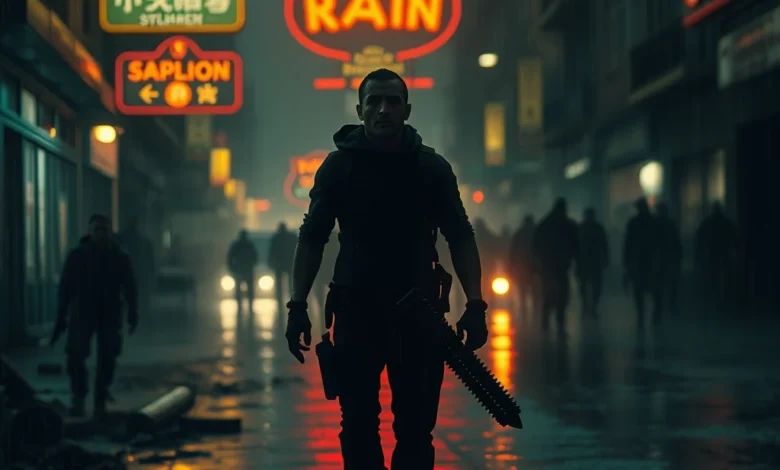
In the vast landscape of digital entertainment, few genres evoke the primal fear of death quite like zombie horror. These immersive experiences challenge players to survive against relentless hordes of undead creatures, forcing strategic thinking, quick reflexes, and unwavering courage. The best zombie horror games combine atmospheric storytelling with high-stakes gameplay loops that leave players breathless and eager for more. Whether you prefer solitary survival experiences or cooperative team-based missions, the variety available today ensures there is something for every terrified soul.
The appeal of zombie narratives lies in their ability to strip away civilization and reduce humanity to its most basic instincts. Survival becomes the primary objective, turning resource management into a tense dance between hunger, thirst, and the constant threat of infection. Modern titles have evolved significantly from early arcade shooters, now offering deep RPG elements, complex crafting systems, and dynamic environments that react to player choices. This evolution has created a rich ecosystem where every decision feels weighty and dangerous.
🎮 Exploring the Best Zombie Horror Experiences
When evaluating the current market, several standout titles dominate the conversation regarding quality and immersion. Each game brings a unique flavor to the subgenre, ranging from sci-fi infused outbreaks to grounded historical plagues. Understanding these distinctions helps players choose the experience that aligns best with their personal fears and playstyle preferences. From the claustrophobic corridors of abandoned facilities to the sprawling chaos of open-world cities, the setting defines the tension.
🧟 Classic Survival Horror Classics
Legacy titles continue to influence modern design through their mastery of pacing and dread. Some of the most enduring entries in the genre focus heavily on limited inventory spaces and puzzle-solving alongside combat. Players must navigate dark hallways with nothing but a flashlight and a revolver, creating an environment where sound design plays a pivotal role. The silence before a monster attack is often more terrifying than the encounter itself.
- ✅ Immersive Atmosphere: Sound effects and lighting create genuine tension.
- 🎯 Puzzle Integration: Progression relies on intellect as much as skill.
- ⚠️ Resource Scarcity: Ammo and health packs are rare commodities.
🔥 Modern Action-Oriented Zombies
Conversely, some franchises lean towards faster-paced action while maintaining the horror element. These games often feature larger arsenals and more mobile characters, allowing for dynamic movement during intense firefights. While the pace is quicker, the stakes remain high, often involving story-driven campaigns that explore the origins of the outbreak. Players find themselves fighting alongside allies who provide tactical support against overwhelming odds.
🧩 Core Gameplay Mechanics and Systems
The foundation of any successful horror title rests upon its mechanics. These systems dictate how players interact with the world, manage their inventory, and respond to threats. A well-designed mechanic enhances the feeling of vulnerability, making victory feel earned rather than granted. Developers constantly experiment with new ways to frustrate and frighten the player, ensuring fresh challenges arise with every playthrough.
⚔️ Combat and AI Behavior
Engaging enemies requires understanding their patterns and weaknesses. Artificial intelligence in top-tier horror games is designed to mimic organic behavior, flanking players or hiding in ambush positions. This unpredictability forces players to remain vigilant at all times, preventing complacency. Poor AI results in predictable encounters, whereas superior scripting creates chaotic and memorable battles.
- ✅ Diverse Enemy Types: Different zombies require different strategies.
- 🎯 Stealth Options: Avoiding conflict is sometimes the best path.
- ⚠️ Aggression Levels: Difficulty settings alter enemy persistence.
🌍 Exploration and Environment Design
Level design serves as a character in itself, guiding players through narrative beats and environmental storytelling. Abandoned hospitals, military bases, and overgrown cities offer varied backdrops for survival. Interactible objects provide clues about what happened before the fall, adding depth to the lore. Navigation can be intentionally difficult to induce feelings of disorientation and helplessness.
- Map Complexity: Multi-layered environments encourage exploration.
- Narrative Clues: Notes and audio logs reveal backstory.
- Dynamic Events: Random occurrences change the layout frequently.
- Safe Zones: Temporary relief areas allow for preparation.
👁️ Visual Quality and Audio Engineering
Immersion is achieved through sensory overload, combining realistic graphics with unsettling soundscapes. High-fidelity visuals allow players to see details in the decay, enhancing the visceral reaction to gore and destruction. Lighting engines play a crucial role, casting shadows that hide threats until it is too late. The interplay of light and dark is essential for building suspense.
🖥️ Graphics Engines and Effects
Modern engines render textures and particle effects with stunning precision. Blood splatters, smoke, and debris physics contribute to the realism of violence. Shadows move dynamically based on player position, creating an ever-changing sense of danger. Optimization is key, ensuring that these visual splendors run smoothly across various hardware configurations without compromising frame rates.
- ✅ Realistic Textures: Weathering and grime are visible everywhere.
- 🎯 Dynamic Lighting: Flashlights reveal hidden dangers instantly.
- ⚠️ Blood Physics: Fluid simulations enhance impact visuals.
🔊 Sound Design and Music
Auditory cues are often more effective than visual ones in horror. Footsteps echo unnaturally, whispering voices haunt the mind, and ambient drones build anxiety over time. Voice acting must convey desperation and madness effectively to sell the narrative. Silence is also a powerful tool, used strategically to lull players into a false sense of security.
📊 Performance Metrics and Hardware Requirements
Technical stability is paramount for maintaining suspension of disbelief. Frame drops or loading screens can break the tension entirely. Below is a summary of typical performance expectations for high-end titles in this category.


| Component | Minimum Requirement | Recommended Requirement |
|---|---|---|
| CPU | Intel Core i5 / AMD Ryzen 5 | Intel Core i7 / AMD Ryzen 7 |
| GPU | GTX 1060 / RX 580 | RTX 3070 / RX 6800 XT |
| RAM | 8 GB | 16 GB |
| Storage | 50 GB SSD | 100 GB NVMe SSD |
Analyzing these metrics reveals that storage speed is becoming increasingly important for seamless transitions. SSDs eliminate long loading times that could disrupt the pacing of a chase sequence. Memory capacity ensures that texture streaming does not stutter during intense sequences. Optimizing these components allows the horror experience to function without technical interruptions.
✅ Advantages of the Genre
Zombie horror offers a unique blend of strategy and adrenaline that keeps players engaged for hours. The replayability factor is high due to branching storylines and randomized events. Social cooperation adds another layer of depth, requiring communication and trust among teammates. These elements combine to create a lasting impression that transcends simple entertainment.
- ✅ High Replay Value: Multiple endings encourage second runs.
- 🎯 Team Synergy: Co-op modes strengthen social bonds.
- ⚠️ Cultural Impact: Influences other media and art forms.
❌ Disadvantages and Challenges
No genre is without its flaws, and zombie games can suffer from repetition if not managed well. Long loading times on older consoles can test patience. Sometimes difficulty spikes can feel unfair rather than challenging. Additionally, online connectivity issues may disrupt cooperative sessions, leaving players stranded.
- ⚠️ Repetitive Gameplay: Similar enemies can become boring.
- ⚠️ Technical Glitches: Bugs may occur on launch.
- ⚠️ High Difficulty: Casual players may struggle initially.
🏁 Final Verdict and Conclusion
The landscape of zombie horror remains vibrant and evolving, offering endless thrills for those brave enough to enter. Whether seeking isolation in a haunted house or chaos in a city overrun by monsters, the options are plentiful. For 2026, the integration of advanced AI and ray tracing promises even deeper immersion. Players should prioritize titles that balance fear with fair gameplay to ensure the best experience.
If you enjoy testing your limits against impossible odds, these games provide the ultimate stress test. They are not merely about shooting; they are about surviving the nightmare. Make sure to equip yourself with knowledge of the mechanics before diving in. The undead await, and they are hungry.
❓ Frequently Asked Questions
- Does the game run on Windows 10? Most modern titles support Windows 10 and 11 natively, ensuring broad compatibility.
- Are controllers supported? Yes, nearly all major releases include full controller mapping for comfortable play.
- Is internet connection required? Single-player campaigns work offline, but multiplayer modes require stable connectivity.
- Can I play on a Mac? Compatibility varies, but many popular titles offer native macOS versions or cloud streaming options.
- What is the storage size? Expect between 50GB to 100GB depending on the specific game and resolution settings.
- Are there microtransactions? Many standalone horror games are premium purchases with no pay-to-win elements.
- How long is the campaign? Average playtime ranges from 10 to 20 hours for a main storyline completion.
- Does it have voice chat? Integrated voice chat is common in co-op modes for team coordination.
- Is it suitable for beginners? Difficulty settings usually allow newcomers to adjust the challenge level appropriately.
- Will future updates come? Developers typically patch bugs and add content post-launch for extended longevity.