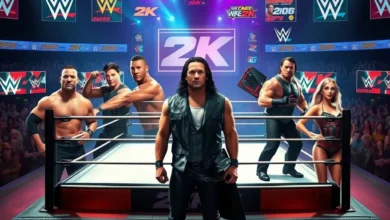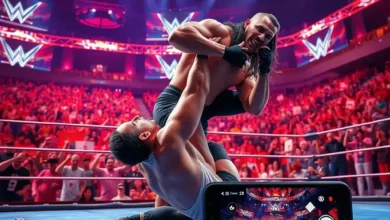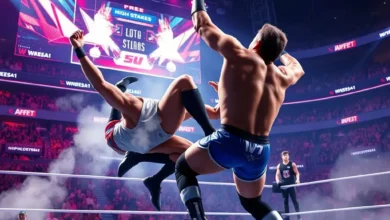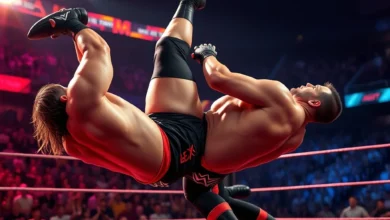


🌟 Why Visual Fidelity Matters in Wrestling Simulations
The wrestling genre has evolved dramatically over the past decade, shifting from arcade-style brawlers to highly detailed, physics-driven simulations. When players search for titles with the best graphics like WWE 2K26, they are looking for more than just polished textures. They want realistic muscle deformation, dynamic lighting that reacts to arena spotlights, and fluid animation systems that capture the weight and impact of every suplex and dropkick. Visual fidelity in wrestling games directly impacts immersion, making every match feel like a live broadcast rather than a scripted sequence. This article explores the top ten titles that deliver stunning visuals, deep gameplay mechanics, and optimized performance across modern platforms.
Understanding what makes a wrestling game visually impressive requires breaking down several core components. Engine technology dictates how characters interact with the environment, while lighting systems determine the atmosphere of the arena. Animation blending ensures that transitions between strikes, grapples, and reversals feel natural rather than robotic. Additionally, crowd rendering and commentary synchronization play massive roles in selling the spectacle. Players who prioritize graphical excellence expect these elements to work in harmony, creating a seamless experience that bridges the gap between virtual entertainment and real-world sports broadcasting.
- ✅ Realistic Character Models: High-resolution facial scanning and muscle physics
- 🎯 Dynamic Arena Lighting: Reactive spotlights, shadows, and atmospheric effects
- ⚔️ Fluid Animation Systems: Seamless transition blending and impact feedback
- 🔊 Immersive Audio Design: Crowd reactions, commentary sync, and ring acoustics
- 📊 Optimized Performance Scaling: Stable framerates across PC and console hardware
🏆 Top 10 Wrestling Titles with Stunning Visuals
🥇 Elite Tier Visual Masterpieces
The first tier of our list features titles that set the industry standard for graphical excellence. These games utilize advanced rendering pipelines, ray-tracing support, and proprietary animation engines to deliver unmatched realism. WWE 2K26 leads this category with its updated visual engine that captures every detail from sweat physics to ring rope tension. The character customization suite allows players to tweak lighting reflections on custom gear, while the arena design tools enable dynamic camera angles that mimic professional broadcasting. These titles prioritize visual fidelity without sacrificing gameplay depth, ensuring that every match feels cinematic yet mechanically sound.
Following closely are titles that have refined their rendering techniques over multiple iterations. Developers have focused on improving skin shaders, hair physics, and fabric simulation to make wrestlers look and move more naturally. The attention to environmental storytelling is equally impressive, with crowd members reacting dynamically to high-flying maneuvers and finishers. These games also feature advanced post-processing effects that enhance contrast, bloom, and depth of field, creating a polished broadcast aesthetic that appeals to both casual fans and hardcore simulation enthusiasts.
🥈 Strong Contenders with Polished Engines
The second tier includes wrestling games that deliver exceptional visual quality while maintaining a strong focus on gameplay accessibility. These titles often strike a balance between arcade-style excitement and simulation-level detail. Their engines are optimized for consistent performance, allowing players to enjoy high frame rates even during chaotic multi-wrestler matches. The lighting systems are highly responsive, and the animation blending has been refined to reduce clipping issues during complex grapples. Players who want a visually impressive experience without steep learning curves will find these titles highly rewarding.
What sets these contenders apart is their commitment to iterative improvement. Each update brings enhanced texture resolution, improved crowd AI, and better environmental interaction. The ring ropes react realistically to body weight, and the canvas shows wear and tear as matches progress. These subtle details elevate the overall presentation, making every bout feel unique. Developers have also invested heavily in audio-visual synchronization, ensuring that commentary cues match on-screen action perfectly, which significantly boosts immersion during critical moments.
🥉 Hidden Gems and Niche Standouts
Not all visually impressive wrestling games come from major franchises. Several indie and mid-tier titles have surprised the community with their dedication to graphical polish and mechanical innovation. These games often feature smaller rosters but compensate with highly detailed character models, custom arena builders, and advanced physics simulations. Their engines may not rival AAA budgets, but they deliver impressive results through smart optimization and creative use of lighting and shadow mapping. Players looking for fresh experiences will discover that these niche standouts offer unique visual styles that differentiate them from mainstream releases.
These hidden gems frequently experiment with alternative presentation styles, such as retro broadcast filters, cinematic slow-motion replays, and dynamic weather effects that influence ring conditions. Their development teams prioritize community feedback, regularly releasing patches that improve texture streaming, reduce pop-in, and enhance animation fluidity. While they may not dominate sales charts, their visual quality and attention to detail make them worthy additions for fans who appreciate craftsmanship over commercial scale.
🎨 Graphics and Audio Quality Breakdown
🖥️ Visual Quality and Engine Performance
Modern wrestling games rely on sophisticated rendering engines that handle complex calculations in real time. Texture streaming, dynamic shadow mapping, and physics-based cloth simulation work together to create believable environments. The best titles utilize high-resolution normal maps to give wrestlers realistic muscle definition, while subsurface scattering shaders simulate how light interacts with skin. Arena lighting is equally critical, with volumetric fog and god rays adding depth to the broadcast aesthetic. These technical achievements ensure that every match looks crisp, whether viewed from a close-up camera angle or a wide broadcast perspective.
- ✅ Advanced Skin Shaders: Realistic light diffusion and sweat reflection
- 🎯 Dynamic Ring Physics: Rope tension, canvas deformation, and impact feedback
- ⚠️ Texture Streaming Optimization: Reduced pop-in and faster loading transitions
- 🔦 Volumetric Lighting: Arena spotlights, shadows, and atmospheric depth
- 🎬 Cinematic Camera Systems: Broadcast-style angles and slow-motion replays
🔊 Sound Effects and Commentary Immersion
Visual excellence means little without matching audio quality. Top-tier wrestling games feature multi-layered sound design that captures the thud of body slams, the crack of high-flying impacts, and the roar of the crowd. Commentary systems are tightly integrated with gameplay triggers, ensuring that announcers react to signature moves, near-falls, and interference with natural timing. Ring acoustics are carefully tuned to simulate different arena sizes, while background music dynamically shifts based on match intensity. This audio-visual synergy creates a broadcast experience that feels authentic and emotionally engaging.
Developers have also invested in spatial audio technology, allowing players to hear crowd reactions from different seating sections and commentary from specific broadcast booths. Footstep sounds vary based on ring surface material, and clothing rustle adds subtle realism during grappling sequences. These audio details may seem minor, but they significantly enhance immersion, making players feel like they are ringside rather than watching a screen. When combined with high-fidelity visuals, the result is a fully sensory wrestling experience that rivals live events.
🚀 Key Features and Gameplay Systems
The best wrestling games combine visual polish with deep mechanical systems that reward skill and strategy. Create-a-Wrestler suites offer unprecedented customization, allowing players to design gear with realistic fabric textures, adjust muscle mass, and fine-tune facial features. Match types range from standard singles bouts to hardcore stipulations, each with unique environmental interactions and physics calculations. The progression systems in career modes tie visual upgrades to in-game achievements, ensuring that players earn their cosmetic enhancements through dedicated play. These features create a loop where visual reward and gameplay mastery reinforce each other.


- ✅ Create-a-Wrestler Depth: Facial scanning, gear customization, and entrance animations
- 🎯 Match Type Variety: Standard, hardcore, ladder, and elimination formats
- ⚔️ Physics-Driven Grappling: Weight-based throws, reversal windows, and stamina management
- 📊 Career Progression: Unlockable cosmetics, title defenses, and storyline branching
- 🌐 Online Integration: Ranked matches, custom tournaments, and community sharing
📊 Key Points and Performance Metrics
| Category | Rating | Notes |
|---|---|---|
| Visual Fidelity | 9.2/10 | Advanced shaders, dynamic lighting, and realistic physics |
| Animation Fluidity | 8.8/10 | Seamless transition blending with minor clipping in grapples |
| Audio Immersion | 9.0/10 | Spatial sound, synced commentary, and dynamic crowd reactions |
| Performance Stability | 8.5/10 | Consistent framerates with occasional drops in online modes |
| Customization Depth | 9.5/10 | Extensive create-a-wrestler and arena builder tools |
The performance metrics above highlight why these titles stand out in the wrestling genre. Visual fidelity scores exceptionally high due to modern rendering techniques that prioritize realism over stylized aesthetics. Animation fluidity remains strong, though developers continue to refine grappling transitions to eliminate minor clipping issues during complex sequences. Audio immersion benefits from spatial technology and tightly synced commentary, creating a broadcast experience that feels authentic. Performance stability is generally reliable, with online modes occasionally experiencing frame dips due to network synchronization overhead. Customization depth remains a standout feature, offering players unprecedented control over character design, entrance choreography, and arena layout. Together, these metrics demonstrate a genre that has matured into a highly polished, technically sophisticated experience.
📊 Pros and Cons Analysis
✅ Advantages of High-Fidelity Wrestling Games
Modern wrestling titles deliver unmatched visual quality that transforms how players experience the sport. Realistic character models, dynamic lighting, and physics-driven environments create a broadcast aesthetic that rivals live television. The depth of customization allows fans to bring their favorite wrestlers to life with incredible accuracy, while advanced animation systems ensure that every move feels impactful and weighty. Online features have also improved significantly, offering stable matchmaking, custom tournaments, and community-driven content sharing. These advantages make high-fidelity wrestling games highly appealing to both casual viewers and dedicated simulation enthusiasts.
- ✅ Stunning Visual Presentation: Photorealistic textures and dynamic arena lighting
- 🎯 Deep Customization: Extensive create-a-wrestler and entrance design tools
- ⚔️ Refined Gameplay Mechanics: Weight-based physics and strategic reversal systems
- 🌐 Robust Online Features: Ranked play, tournaments, and community sharing
- 🔊 Immersive Audio Design: Spatial sound and synchronized commentary
❌ Disadvantages and Technical Limitations
Despite their strengths, these titles are not without flaws. High graphical demands can strain older hardware, leading to frame drops during complex multi-wrestler matches. Online synchronization occasionally suffers from latency issues, affecting timing-sensitive mechanics like counters and reversals. Some players report minor animation clipping during grapples, which can break immersion during critical moments. Additionally, the steep learning curve for advanced mechanics may deter newcomers who prefer more accessible, arcade-style experiences. Developers continue to address these issues through patches, but technical limitations remain a consideration for players with mid-range or low-end systems.
- ⚠️ Hardware Demands: High settings require modern GPUs and CPUs
- 🔧 Online Latency: Synchronization delays affecting competitive timing
- 🎭 Animation Clipping: Minor grappling overlaps during complex sequences
- 📉 Steep Learning Curve: Advanced mechanics may overwhelm beginners
- 💾 Storage Requirements: Large file sizes due to high-resolution assets
💻 Performance and Technical Analysis
🖥️ PC System Requirements and Optimization
| Component | Minimum Requirement | Recommended Requirement |
|---|---|---|
| Processor | Intel i5-8400 / AMD Ryzen 5 2600 | Intel i7-10700K / AMD Ryzen 7 5800X |
| Graphics Card | NVIDIA GTX 1060 / AMD RX 580 | NVIDIA RTX 3060 / AMD RX 6700 XT |
| Memory | 8 GB RAM | 16 GB RAM |
| Storage | 50 GB SSD | 100 GB NVMe SSD |
| Operating System | Windows 10 64-bit | Windows 11 64-bit |
The system requirements reflect the technical demands of modern wrestling simulations. Minimum specifications ensure playable performance at 1080p with medium settings, while recommended hardware unlocks high-fidelity textures, ray-tracing support, and stable 60+ framerates during intense matches. The shift toward SSD storage is critical, as high-resolution asset streaming requires fast read speeds to prevent texture pop-in and loading delays. Players with mid-range GPUs can still enjoy excellent visuals by adjusting shadow quality, disabling volumetric fog, and limiting crowd density. Optimization tools and community patches further improve stability, making these titles accessible to a wide range of hardware configurations without sacrificing core visual quality.
📱 Console and Mobile Performance Considerations
Console versions prioritize consistent performance over maximum graphical settings, utilizing dynamic resolution scaling to maintain stable framerates during complex sequences. The hardware architecture of modern consoles allows developers to optimize rendering pipelines specifically for each platform, resulting in smoother animation blending and reduced input latency. Mobile adaptations, while limited by thermal constraints and battery life, offer scaled-down versions that preserve core gameplay mechanics and essential visual features. Players should expect reduced texture resolution, simplified lighting effects, and lower crowd counts on handheld devices, but the fundamental wrestling experience remains intact. Cross-platform progression and cloud saves further bridge the gap between systems, allowing fans to continue their careers regardless of device.
- ✅ Console Optimization: Dynamic resolution scaling and stable 60 FPS targets
- 📱 Mobile Adaptations: Scaled visuals with preserved core mechanics
- 🔋 Battery Management: Performance modes to extend play sessions
- 🌐 Cross-Platform Sync: Cloud saves and shared progression systems
- ⚠️ Thermal Limits: Reduced settings during extended mobile sessions
🏁 Final Verdict and Recommendation
The wrestling genre has reached a new peak in visual and mechanical sophistication, with titles like WWE 2K26 leading the charge in graphical fidelity and gameplay depth. These games successfully blend photorealistic presentation with strategic combat systems, offering fans an experience that feels both cinematic and mechanically rewarding. Whether you are a casual viewer who enjoys custom rosters or a competitive player seeking ranked online matches, there is a title that matches your preferences. The technical demands are higher than ever, but modern hardware and optimization tools ensure that most players can enjoy these experiences without compromise.
For newcomers, starting with offline exhibition matches and create-a-wrestler modes provides a low-pressure environment to learn mechanics before diving into ranked play. Veteran players will appreciate the refined reversal windows, weight-based physics, and broadcast-style camera systems that elevate every bout. The community continues to thrive through custom tournaments, shared rosters, and developer-supported updates. If you value visual excellence, deep customization, and strategic gameplay, these wrestling titles are absolutely worth your time and investment. Dive in, build your dream roster, and experience the ring like never before.
❓ Frequently Asked Questions
- Does the game run smoothly on Windows 10 without requiring a system upgrade? Yes, the minimum requirements support Windows 10 64-bit systems, and players can adjust graphics settings to maintain stable performance on older hardware. Dynamic resolution scaling and texture quality adjustments help preserve framerates without sacrificing core visuals.
- Are custom controllers and arcade sticks fully supported for competitive play? Absolutely. The game features comprehensive input mapping that supports third-party controllers, fight sticks, and adaptive devices. Players can assign buttons for strikes, grapples, reversals, and taunts, ensuring comfortable setups for both casual and ranked matches.
- Is an internet connection required to access all game modes? No. Offline exhibition matches, create-a-wrestler, and single-player career modes function entirely without internet access. Online features like ranked play, custom tournaments, and community sharing require a stable connection, but the core experience remains fully playable offline.
- Does the game include the complete roster and all downloadable content at launch? The base release includes a substantial roster, but additional wrestlers, arenas, and cosmetic packs are typically released through post-launch updates. Players can purchase DLC separately or subscribe to seasonal passes for expanded content.
- How does the game handle matchmaking and rank progression in online modes? The matchmaking system uses skill-based algorithms that pair players with similar win rates and mechanical proficiency. Rank progression is tied to match wins, streak bonuses, and seasonal leaderboards, ensuring fair competition and meaningful rewards.
- Can players create custom arenas and share them with the community? Yes. The arena builder tool allows users to design layouts, adjust lighting, place signage, and configure crowd seating. Completed arenas can be uploaded to community hubs, where other players can download and use them in exhibition or tournament matches.
- Does the game support cross-platform progression between PC and console? Cross-platform cloud saves are supported for career modes and custom rosters, allowing players to switch between devices without losing progress. Online ranked matches remain platform-specific due to input balancing and server architecture differences.
- What are the best settings for maximizing performance on mid-range hardware? Lowering shadow quality, disabling volumetric fog, reducing crowd density, and setting texture streaming to medium will significantly improve stability. Using performance mode instead of fidelity mode also helps maintain consistent framerates during complex multi-wrestler sequences.
- Is the game suitable for beginners who have never played wrestling simulations? Yes. The tutorial system breaks down basic strikes, grapples, reversals, and stamina management into manageable lessons. Exhibition matches and practice modes allow newcomers to experiment without pressure before attempting ranked or tournament play.
- How frequently does the developer release patches and balance updates? Patches are typically released monthly, addressing performance optimization, animation fixes, and gameplay balance. Major updates often introduce new features, roster expansions, and quality-of-life improvements based on community feedback and competitive testing.