
Mastering Combat in Red Dead Redemption 2: Ultimate Guide for PC and Console Players

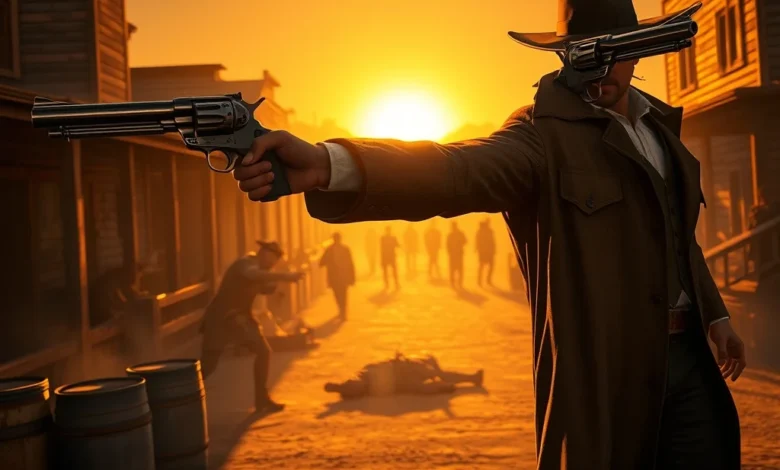
Red Dead Redemption 2 is more than just an open-world masterpiece; it’s a game where mastery of combat can make the difference between life and death in the untamed wilderness of America. Whether you’re facing off against rival gangs, lawmen, or wild animals, understanding the intricacies of combat mechanics is essential to survival. This guide breaks down everything you need to know to become a deadly gunslinger, a cunning knife-wielder, and a tactically sharp strategist in the world of RDR2.
🎮 Introduction to Combat in Red Dead Redemption 2
Red Dead Redemption 2, developed by Rockstar Games and released in 2018, is an action-adventure game set in the late 1800s. It follows the story of Arthur Morgan, an outlaw in the Van der Linde gang, as they navigate a rapidly changing America. The game blends an immersive open world with deep storytelling, stunning visuals, and a combat system that rewards precision, timing, and strategy. Combat in RDR2 is not just about pulling the trigger; it’s about using your environment, managing your stamina, and exploiting your enemy’s weaknesses. This guide is tailored for both PC and console players, ensuring that no matter your platform, you can elevate your combat skills to legendary status.
Here’s a quick overview of what this guide covers:
- 🔫 Gunslinger’s Arsenal – Understanding firearms, ammunition types, and aiming techniques
- ⚔️ Melee Combat Mastery – Knives, lassos, and fists for close-quarters combat
- 🎯 Dual-Wielding Tactics – How to use dual pistols effectively
- 🌍 Environmental Advantage – Using cover, natural terrain, and improvised weapons
- 🧠 Tactical Thinking – When to fight, when to flee, and how to outsmart your foes
🏆 Why Combat Matters in RDR2
The combat system in Red Dead Redemption 2 is designed to feel visceral and realistic, which adds layers of strategy and immersion. Unlike many modern shooters, RDR2’s combat emphasizes weight and consequence. Bullets travel slower, recoil is significant, and enemies react dynamically based on your actions. A single mistake can turn the tide of a firefight, making combat not just a test of skill but also a test of nerves. Mastering combat isn’t just about how many enemies you can take down—it’s about how you survive the encounter with minimal damage.
Combat in RDR2 is also deeply tied to the game’s narrative and world-building. The Van der Linde gang’s downfall often hinges on violent confrontations, whether it’s a bank heist gone wrong, a botched robbery, or a duel with a legendary gunslinger. Your combat prowess directly impacts the story’s outcome, making it essential to hone your skills early and often.
🔥 The Core Combat Systems Explained
⚔️ Gunslinger’s Arsenal – Firearms and Ammunition
The foundation of combat in RDR2 lies in its firearms, each with unique characteristics that influence your playstyle. Unlike many modern games, RDR2 doesn’t cater to a one-size-fits-all approach—different guns excel in different scenarios, and understanding their strengths and weaknesses is crucial to survival.
The game features a variety of firearms, including:
- Revolvers: Fast firing and decent stopping power, ideal for quick duels.
- Pistols: Lightweight and easy to aim, great for close-quarters combat.
- Shotguns: Devastating at close range but slow to reload and aim.
- Rifles: High accuracy and long-range damage, perfect for sniping.
- Sniper Rifles: Extremely powerful but slow firing and limited ammunition.
Each weapon has its own damage output, accuracy, and recoil pattern, which affects how it performs in different situations. For example, revolvers have high recoil, making them less accurate at long range, while rifles are more stable but slower to fire. Ammunition types also play a role—explosive rounds can take down armored enemies but are less effective against standard foes.
One of the most critical aspects of gunplay is aiming down sights (ADS). Unlike modern shooters where ADS is instant and stable, RDR2’s aiming system is slower and more deliberate. This means you need to lead your shots carefully, especially when firing at moving targets. The game also features bullet drop, where bullets travel in an arc rather than a straight line, adding another layer of realism to combat.
🔫 Advanced Gunplay Techniques
To truly master combat in RDR2, you need to go beyond basic gunplay and incorporate advanced techniques into your arsenal. These strategies will help you dominate in firefights and duels.
First, consider weapon swapping. The game allows you to carry multiple weapons, but you can only hold two active guns at a time. This means you need to be strategic about which weapons you carry. For example, if you’re facing a group of enemies, you might want to swap between a shotgun for close range and a rifle for long range. Use the weapon wheel to quickly switch between your selected firearms.
Dual-wielding is another advanced technique that can give you a significant advantage in combat. By holding two pistols, you can fire twice as fast, which is useful for overwhelming enemies or taking down multiple targets quickly. However, dual-wielding increases recoil and reduces accuracy, so it’s best used in short bursts rather than sustained fire.


Another technique is quick-drawing. If you’re in a duel, quick-drawing can give you a split-second advantage over your opponent. This involves drawing your weapon as fast as possible when you hear the enemy cock their gun. Mastering quick-draw timing takes practice, but it’s a surefire way to gain the upper hand in one-on-one encounters.
Lastly, don’t underestimate the power of environmental interactions. In RDR2, you can use cover to your advantage, whether it’s ducking behind a rock, a tree, or a building. You can also interact with objects in the environment, such as throwing bottles or rocks to distract enemies. These small but impactful actions can turn the tide of a difficult fight.
🗡️ Melee Combat – Knives, Lassos, and Fists
While guns are the primary tools of destruction in RDR2, melee combat plays a crucial role, especially in close-quarters encounters. The game features a variety of melee weapons, each with its own advantages and disadvantages.
The most iconic melee weapon in RDR2 is the knife. Knives are silent, deadly, and perfect for assassinating enemies without alerting others. They’re particularly useful in stealth missions or when you want to take out an enemy quickly and quietly. However, knives are fragile and break easily, so use them sparingly.
The lasso is another versatile tool, useful for both combat and non-combat situations. In combat, you can use the lasso to disarm enemies, trip them up, or even drag them into cover. Outside of combat, the lasso is essential for capturing wild animals or tying up prisoners. Mastering the lasso takes practice, but it’s a valuable skill for any gunslinger.
For those who prefer bare-knuckle brawling, RDR2 also features fistfights. These encounters are slower and more methodical than gunfights, emphasizing timing and positioning. You can block, dodge, and counterattack, but you need to be patient and wait for openings. Fistfights are common in side activities like bounty hunting or when you’re caught without a weapon.
Melee combat isn’t just about attacking—it’s also about defense. Blocking and dodging are essential skills, especially when facing multiple enemies. Use the parry mechanic to deflect attacks and create openings for counterattacks. Timing is everything, so practice in free-roam mode to get a feel for the rhythm of melee combat.
🌍 Environmental Combat – Using the World to Your Advantage
One of the defining features of Red Dead Redemption 2 is its immersive open world. The game’s environments aren’t just a backdrop for combat—they’re tools you can use to gain the upper hand in firefights. Whether you’re fighting in a bustling town, a dense forest, or a rocky canyon, the terrain plays a crucial role in determining the outcome of a fight.
Cover is your best friend in combat. Whether it’s a tree, a rock, or a building, using cover effectively can mean the difference between life and death. Always be aware of your surroundings and position yourself behind cover whenever possible. If you’re caught in the open, don’t hesitate to sprint to safety—even if it means temporarily abandoning the fight.
Natural terrain can also be used to your advantage. For example, fighting in a forest provides ample opportunities for ambushes—you can hide behind trees, use the terrain to flank enemies, or even set traps using rocks or logs. In open areas like plains or deserts, elevation is key. Use hills or ridges to get a better vantage point and pick off enemies from a distance.
Don’t forget about improvised weapons. Rocks, bottles, and even broken glass can be used to injure or distract enemies. Throwing these objects can create openings for you to attack or escape. The game encourages creativity, so experiment with different environmental interactions to see what works best for you.
🧠 Tactical Thinking – When to Fight and When to Flee
Combat in RDR2 isn’t just about how well you shoot—it’s about how well you think. Knowing when to engage in combat and when to retreat is a skill that separates amateurs from masters. The game’s AI is designed to react dynamically to your actions, so you need to stay one step ahead of your enemies.
One of the most important tactical decisions is enemy awareness. If you’re in a populated area, attracting attention can lead to a prolonged firefight with reinforcements arriving. Use stealth to take out enemies quietly when possible, or lure them into isolated areas where you can control the fight. If you’re outnumbered, don’t hesitate to retreat—sometimes the smartest move is to live to fight another day.
Another key aspect of tactical thinking is managing your horse. Your horse is your lifeline in combat, providing a quick escape when things go wrong. Always keep your horse nearby, and use it to break line of sight or reposition yourself during a fight. If your horse is killed, it can be a major setback, so treat it with care.
Lastly, consider the consequences of your actions. If you kill too many lawmen in a populated area, your honor will drop, and bounty hunters will start tracking you down. On the other hand, if you show mercy and spare enemies, you can gain positive honor, which unlocks unique rewards and story outcomes. Every decision has a ripple effect, so think carefully before pulling the trigger.
🎯 Advanced Combat Strategies for PC and Console Players
🖥️ PC-Specific Combat Tips
PC players have a slight advantage in combat due to the precision of mouse and keyboard controls. However, this advantage comes with the responsibility of mastering the game’s unique mechanics. Here are some tips to help PC players dominate in combat:
First, map your controls effectively. The default controls are functional, but you can optimize them for better performance. For example, consider rebinding the aiming and shooting buttons to be more intuitive, or adjusting the sensitivity of your mouse to improve aiming precision. Experiment with different control schemes to find what works best for you.
Second, take advantage of keyboard shortcuts. The game features a variety of shortcuts that can save you time in combat, such as quick weapon swaps, melee attacks, and quick-draws. Familiarize yourself with these shortcuts and practice using them until they become second nature.
Third, use the Dead Eye ability to its full potential. Dead Eye is a game-changer for PC players, allowing you to slow down time and mark enemy weak points. Use it to take out key targets quickly, or to create openings for you to attack. The ability recharges over time, so use it strategically during intense firefights.
Lastly, consider using a controller for certain combat scenarios. While mouse and keyboard offer precision, a controller can provide a more immersive experience for melee combat and horseback shooting. If you’re playing on a large monitor or TV, a controller might be more comfortable for extended gaming sessions.
🎮 Console-Specific Combat Tips
Console players face a different set of challenges due to the limitations of controllers. However, with the right techniques, you can still dominate in combat. Here are some tips to help console players elevate their gameplay:
First, master the aiming mechanics. Console controls rely heavily on the analog sticks, which can be less precise than mouse and keyboard. Practice aiming carefully, and use the game’s aiming assist to help with tracking moving targets. Don’t rush your shots—take your time to line up the perfect shot.
Second, use the auto-aim assist to your advantage. The game features a subtle auto-aim assist that helps with targeting enemies. While it’s not as precise as manual aiming, it can be a lifesaver in chaotic firefights. Enable this feature in the settings if you’re struggling with accuracy.
Third, consider using the gyroscopic controls if you’re playing on a PlayStation. These controls allow you to aim by physically moving the controller, which can provide a more immersive and precise aiming experience. Experiment with different control schemes to find what works best for you.
Lastly, don’t forget about vibration feedback. The controller’s vibration can provide valuable feedback during combat, such as when you’re hit or when you land a critical shot. Use this feedback to your advantage, and adjust your playstyle accordingly.
🏆 Honor and Reputation – How They Affect Combat
In Red Dead Redemption 2, your actions have consequences, and this extends to combat. Your honor and reputation levels affect how enemies and NPCs react to you, as well as the rewards you receive. Understanding how these systems work can give you a significant advantage in combat.
Honor is a measure of your moral alignment, ranging from low honor (negative) to high honor (positive). Your honor level affects how lawmen and bounty hunters treat you. For example, if you have low honor, lawmen will be more aggressive toward you, while high honor can make them more lenient. Honor also affects the types of missions and rewards you receive.
Reputation, on the other hand, is a measure of your notoriety as an outlaw. Your reputation level affects how often bounty hunters and lawmen target you, as well as the size of bounties on your head. If you have a high reputation, you’ll attract more attention, which can make combat more challenging but also more rewarding.
To maintain a high honor level, focus on positive actions such as sparing enemies, helping strangers, and completing side quests. To increase your reputation, engage in high-profile crimes like bank robberies or train heists. Balancing honor and reputation is key to becoming a legendary gunslinger in RDR2.
📊 Combat Performance Analysis – Metrics and Benchmarks
| Category | Rating | Notes |
|---|---|---|
| Gunplay Accuracy | ⭐⭐⭐⭐⭐ | Highly realistic with bullet drop and recoil, requiring precise aiming. |
| Melee Combat Depth | ⭐⭐⭐⭐ | Deep and satisfying but requires practice to master. |
| Environmental Interaction | ⭐⭐⭐⭐⭐ | Highly immersive with ample opportunities for creative combat. |
| Enemy AI Intelligence | ⭐⭐⭐⭐ | Enemies react dynamically but can sometimes feel predictable. |
| Tactical Depth | ⭐⭐⭐⭐⭐ | Encourages strategic thinking and adaptive playstyles. |
The combat system in Red Dead Redemption 2 is a standout feature, offering a blend of realism, depth, and creativity. The gunplay mechanics are highly accurate, with bullet drop and recoil adding layers of strategy to every encounter. Melee combat, while less emphasized, is still deep and satisfying, especially when mastered. The game’s environmental interactions are a highlight, allowing players to use the world to their advantage in creative ways. Enemy AI is generally intelligent, reacting dynamically to your actions, though it can sometimes feel predictable in certain scenarios. Overall, the tactical depth of RDR2’s combat system is unparalleled, encouraging players to think strategically and adapt their playstyles on the fly. This combination of realism, immersion, and strategy makes combat in RDR2 one of the most rewarding experiences in open-world gaming.
✅ Advantages of Red Dead Redemption 2’s Combat System
The combat system in Red Dead Redemption 2 is a masterclass in game design, offering a level of depth and immersion that sets it apart from other open-world titles. Here are some of the key advantages that make this system stand out:
- Realistic Gunplay: The game’s attention to detail in gun mechanics—such as recoil, bullet drop, and aiming down sights—creates a visceral and authentic shooting experience that rewards precision and timing.
- Dynamic Enemy AI: Enemies react intelligently to your actions, using cover, flanking, and coordinated attacks to challenge you in meaningful ways. This makes every encounter feel unique and unpredictable.
- Immersive Melee Combat: While guns are the primary focus, melee combat adds a layer of strategy and skill. Knives, lassos, and fists provide alternative approaches to combat, allowing for stealthy takedowns or brutal brawls.
- Environmental Interaction: The open world is filled with opportunities to use terrain, cover, and improvised weapons to gain the upper hand. This creativity is a hallmark of RDR2’s design philosophy.
- Honor and Reputation Systems: These systems add a layer of depth to combat, influencing how enemies and NPCs respond to you. They also provide long-term goals and consequences for your actions, making combat feel more impactful.
❌ Disadvantages and Challenges of RDR2’s Combat
While the combat system in Red Dead Redemption 2 is exceptional, it’s not without its challenges and drawbacks. Understanding these limitations can help you adapt your playstyle and avoid common pitfalls.
- Steep Learning Curve: The game’s realistic mechanics mean that casual players might struggle at first. The slow aiming, bullet drop, and recoil can be frustrating for those used to more arcade-style shooters.
- Ammunition Management: Ammo is scarce in the early game, forcing you to scavenge or craft your own bullets. This can make combat feel tedious if you’re not prepared.
- Enemy Spawns: In free-roam mode, enemies can spawn unpredictably, leading to unfair encounters, especially if you’re in a low-population area. This can disrupt immersion and make the game feel less balanced.
- Honor System Limitations: While the honor system adds depth, it can feel restrictive. If you’re playing for a high honor playthrough, you’ll need to avoid certain actions, which can limit your combat options.
- No Quick-Time Events (QTEs): Unlike many modern games, RDR2 doesn’t rely on QTEs for melee combat or quick-draws. While this adds realism, it can also make combat feel slower and more methodical, which isn’t for everyone.
These challenges are part of what makes Red Dead Redemption 2’s combat system unique, but they also mean that players need to be patient and adaptable to fully appreciate its depth.
🏁 Final Verdict – Who Should Play Red Dead Redemption 2?
Red Dead Redemption 2 is a game that rewards patience, skill, and strategic thinking. If you’re looking for a shallow, action-packed shooter, this isn’t the game for you. However, if you’re willing to put in the time to master its combat mechanics, you’ll be rewarded with one of the most immersive and rewarding combat systems in gaming history. The game’s blend of realism, depth, and creativity makes it a must-play for fans of open-world games and tactical shooters alike.
This combat guide is designed to help you navigate the complexities of RDR2’s gunplay, melee combat, and tactical gameplay. Whether you’re a PC player, a console enthusiast, or a newcomer to the world of Red Dead, these tips and strategies will give you the tools you need to become a legendary gunslinger. Remember, combat in RDR2 isn’t just about pulling the trigger—it’s about outthinking your enemies, using the environment to your advantage, and making every shot count.
So saddle up, holster your six-shooter, and prepare to enter the world of Red Dead Redemption 2. The frontier is waiting, and only the deadliest gunslingers will survive.
❓ Frequently Asked Questions About Red Dead Redemption 2 Combat
-
What’s the best way to improve my aim in Red Dead Redemption 2?
Practice in free-roam mode by shooting at targets or animals. Use the Dead Eye ability to slow down time and mark weak points. Focus on leading your shots, as bullets travel in an arc and have drop. -
Is dual-wielding pistols worth it?
Dual-wielding can be effective for overwhelming enemies with fast, sustained fire. However, it increases recoil and reduces accuracy, so use it in short bursts rather than sustained firefights. -
How do I use the lasso effectively in combat?
The lasso is versatile for both combat and non-combat tasks. In combat, you can use it to disarm enemies, trip them up, or drag them into cover. To lasso an enemy, aim at them and press the melee button. -
What’s the best strategy for fighting multiple enemies?
Use cover to break line of sight, then circle around to flank your enemies. Focus on taking out the most immediate threats first, and use weapons like shotguns or revolvers for close-range combat. -
How does the Dead Eye ability work?
Dead Eye slows down time and marks enemy weak points. Press the Dead Eye button to activate it, then use the analog sticks (or mouse) to target specific body parts. Release the button to fire at the marked points. -
What’s the best way to deal with armored enemies?
Armored enemies require high-powered ammunition, such as express rifle rounds or explosive bullets. Aim for their weak points, which are often highlighted when using Dead Eye. -
How do I improve my quick-draw timing?
Quick-drawing is all about timing. In duels, listen for the enemy to cock their gun, then draw your weapon as fast as possible. Practice in free-roam mode or against AI enemies to get a feel for the rhythm. -
Is it better to fight or flee in free-roam mode?
It depends on the situation. If you’re outnumbered or in a populated area, fleeing is often the smarter choice. If you’re in a remote area and confident in your skills, fighting can yield rewards like loot or experience. -
How does honor affect combat?
Honor influences how lawmen and NPCs react to you. High honor can make lawmen more lenient, while low honor makes them more aggressive. Honor also affects the missions and rewards you receive. -
What’s the best weapon for sniping in RDR2?
The Springfield Rifle is the best sniper option in the game, offering high accuracy and power at long range. Pair it with Dead Eye to mark weak points and take out distant targets with ease.
🎬 Conclusion – Your Journey to Becoming a Legendary Gunslinger
Mastering combat in Red Dead Redemption 2 is a journey that requires patience, practice, and a deep understanding of the game’s mechanics. From the intricacies of gunplay to the tactical depth of melee combat, every aspect of RDR2’s combat system is designed to challenge and reward players who take the time to learn it. Whether you’re a seasoned gamer or a newcomer to the world of open-world action, this guide provides the tools and strategies you need to elevate your gameplay to legendary levels.
Remember, combat in RDR2 isn’t just about how well you shoot—it’s about how well you think. Use the environment to your advantage, manage your resources wisely, and always stay one step ahead of your enemies. With dedication and practice, you’ll soon find yourself dominating every firefight, duel, and ambush that comes your way.
So what are you waiting for? Grab your six-shooter, saddle up, and head out into the wild frontier. The world of Red Dead Redemption 2 is waiting, and only the deadliest gunslingers will survive.