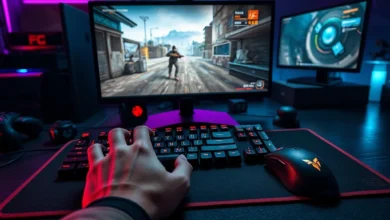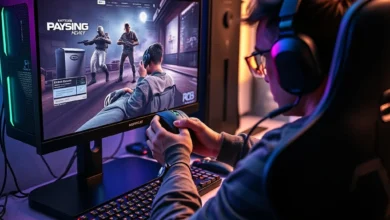

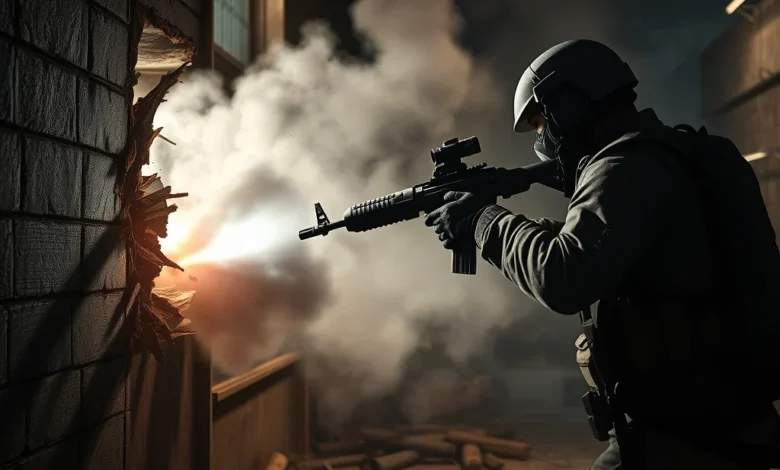
The tactical shooter genre has evolved significantly over the past decade, and at the forefront of this evolution stands Rainbow Six Siege. This title redefined how players approach competitive multiplayer gameplay by emphasizing destruction, operator specialization, and strategic communication. Whether you are a seasoned veteran or a newcomer looking to master the art of breach and clear, understanding the underlying mechanics is crucial for success. In this comprehensive analysis, we delve into the best multiplayer tactics that will elevate your gameplay in 2026. We explore the intricate balance between offense and defense, the importance of operator synergy, and how environmental destruction can be used as a weapon. This guide is designed to provide actionable insights for players who want to dominate their matches consistently.
🎮 Introduction to Rainbow Six Siege Tactics
Rainbow Six Siege is not merely a shooter; it is a chess match played with firearms and explosives. The game is developed by Ubisoft Montreal and published by Ubisoft, featuring a unique blend of real-world tactical operations and high-paced action. Unlike traditional shooters where speed and reflexes are the only metrics of success, Siege rewards patience, planning, and information gathering. The game revolves around a team-based environment where five players must work together to achieve an objective, whether that is planting a bomb, rescuing a hostage, or eliminating the opposing team. The tactical depth comes from the fact that almost every surface can be destroyed, allowing players to create new pathways or fortify their positions.
The community has grown immensely since the game’s release, and the competitive scene is thriving with professional leagues and tournaments worldwide. Players are drawn to the high skill ceiling and the constant updates that keep the meta fresh. Each season brings new operators, maps, and gameplay tweaks that challenge players to adapt their strategies. To succeed in this environment, you must understand not only your own operator but also the entire roster of available specialists. This knowledge allows you to predict enemy movements and counter their strategies effectively. We will break down the essential elements that make up a winning strategy in this section.
- ✅ Team Synergy is the foundation of every successful match.
- 🎯 Information Gathering determines when to breach or rotate.
- ⚠️ Map Knowledge includes knowing which walls can be breached.
- 🛡️ Defensive Setup requires anticipating attacker entry points.
🏆 Competitive Gameplay and Strategy
The competitive mode in Rainbow Six Siege is where the true test of skill occurs. Here, players are ranked based on their performance, and the stakes are higher than in regular matches. The objective remains the same, but the pressure to perform under stress is significantly increased. In competitive play, communication becomes even more vital. Teams must share information about enemy locations, utility usage, and health status in real-time. A single piece of intel can mean the difference between winning a round or losing it. Players must learn to call out positions using callouts that are standardized across the community to avoid confusion.
Furthermore, the economy system in ranked play requires careful management. While the cash system is less punishing than in previous seasons, choosing the right operator loadout can still impact your team’s overall effectiveness. Some operators are better suited for opening holes in walls, while others excel at gathering intel. A balanced team composition should include a mix of breachers, support, and information gatherers. This diversity ensures that the team can adapt to various situations, whether they are pushing a site or holding a line. Understanding the economic implications of operator selection is a subtle but powerful tactic that separates good teams from great ones.
⚔️ Operator Roles and Synergy
Every operator in Rainbow Six Siege serves a specific purpose, and understanding these roles is critical for building a cohesive squad. Operators are generally categorized into Assault, Defense, Support, and Recon. Assault operators are designed to deal high damage and breach walls. Defense operators focus on slowing down attackers and protecting key areas. Support operators provide utility like shields or healing, while Recon operators reveal enemy positions. When selecting your team, you must ensure that you have coverage for all these categories. A team with too many attackers will struggle to defend, while a team with too much defense may lack the firepower to secure kills.
Synergy between operators is perhaps the most important aspect of team composition. For example, pairing a breacher like Sledge with a recon operator like Thermite can be devastating. Sledge can create an entry point, and Thermite can verify if an enemy is behind the wall before the team commits. Similarly, pairing a healer like Dokkaebi with a sniper like Valkyrie allows for long-range support and intel gathering. This coordination allows the team to control the flow of the match. If the enemy team has a strong defense, you might need more breachers to break through. If they are aggressive, you might need more traps and slows to stall them. Adapting your operator lineup to counter the enemy strategy is a hallmark of high-level play.
- 🎯 Assault Operators focus on damage and breaching walls.
- 🛡️ Defense Operators focus on area denial and slowing enemies.
- 📡 Recon Operators reveal enemy locations and track movement.
- 💉 Support Operators provide healing and additional utility.
🌍 Map Control and Rotation
Map control is the process of dominating specific areas of the map to limit enemy movement and create opportunities for attacks or defenses. In Siege, maps are designed with multiple entry points and choke points. A successful team will secure these choke points early in the round to funnel enemies into kill zones. Rotations involve moving between sites to defend against attacks or to switch sites when needed. Timing is crucial here; rotating too early can leave a site undefended, while rotating too late can result in being caught on the wrong side. Experienced players know how to read the enemy’s pace and adjust their rotations accordingly.
- Site Selection: Choose the site that is easier to defend based on operator loadout.
- Entry Denial: Place traps and cameras at common entry points.
- Rotation Timing: Move only when the enemy is committed to a site.
- Recovery: Secure the objective after the round ends to prepare for the next.
🎨 Visuals and Audio Immersion
The visual and audio design of Rainbow Six Siege plays a critical role in the overall experience. The game engine used, the AnvilNext 2.0 engine, provides realistic lighting and physics that enhance the tactical feel. Every bullet impact, every wall breach, and every sound cue is designed to provide feedback to the player. Visual fidelity is important for spotting enemies, especially in darker areas of maps. High-quality textures and lighting effects help players distinguish between a wall and a destructible surface. This attention to detail ensures that the game remains immersive and competitive.
🖥️ Visual Quality and Engine
The graphical settings in Rainbow Six Siege allow players to optimize performance based on their hardware. Players can adjust texture quality, shadows, and anti-aliasing to balance visual clarity with frame rate. For competitive players, maximizing frame rate is often more important than visual fidelity. A higher frame rate reduces input lag, allowing for faster reactions. However, keeping visual quality at a level where enemies are visible is still essential. The game supports various resolutions and aspect ratios, ensuring that players on different hardware can enjoy the experience. Proper configuration of these settings can provide a significant advantage in tight gunfights.
- ✅ High Frame Rate ensures smoother movement and aiming.
- 🎯 Texture Quality helps identify enemy models at a distance.
- ⚠️ Shadow Settings can hide enemies if set too high.
- 🔧 Anti-Aliasing reduces jagged edges for better visibility.
🔊 Sound Design and Audio Clues
Audio is arguably the most important mechanic in Rainbow Six Siege. Sound cues provide information about enemy location, movement, and actions. Players can hear footsteps, reloads, wall breaches, and operator abilities. Learning to identify these sounds is essential for gaining an advantage. For example, hearing a footstep can tell you which floor an enemy is on. Hearing a wall breach can alert you to an incoming attack. Using headphones is highly recommended to fully experience the spatial audio capabilities of the game. The game supports 7.1 surround sound, which further enhances the ability to pinpoint sound sources.
Furthermore, the game’s sound design is balanced to encourage strategic play. Loud actions like breaching walls create noise that reveals your position. Quiet movements like crouching are quieter but slower. This trade-off forces players to make decisions based on risk versus reward. By mastering audio cues, players can anticipate enemy movements before they are even visible. This predictive ability is what separates casual players from elite competitors. We recommend practicing in the training room to learn the specific sounds of each operator’s abilities and weapons.


🚀 Key Features for Multiplayer
Rainbow Six Siege offers a variety of features that enhance the multiplayer experience. From the robust ranked system to the variety of game modes, there is something for every type of player. The game supports cross-play in many regions, allowing players on different platforms to compete together. This expands the player base and reduces matchmaking times. Additionally, the game features a daily challenge system that rewards players for completing specific objectives. These rewards can include in-game currency or cosmetic items, providing motivation to play consistently.
The seasonal updates ensure that the game remains fresh and engaging. Each season introduces new operators, maps, and gameplay mechanics that change the meta. This constant evolution keeps the community active and interested. The developers also listen to feedback from the community, implementing changes based on player suggestions. This level of engagement fosters a loyal player base that is invested in the longevity of the game. The feature set is designed to support both casual and competitive players alike.
- Cross-Play Support: Allows players on PC and consoles to play together.
- Daily Challenges: Provide rewards for consistent gameplay.
- Seasonal Updates: Keep the game content fresh and new.
- Ranked System: Tracks skill progression and competitive standing.
📊 Key Performance Metrics
| Category | Rating | Notes |
|---|---|---|
| Gameplay Depth | 9.5/10 | Exceptional tactical variety and operator diversity. |
| Visual Quality | 8.5/10 | High fidelity but requires hardware optimization. |
| Audio Design | 9.0/10 | Crucial mechanic with excellent spatial feedback. |
| Multiplayer Balance | 8.0/10 | Generally balanced but subject to seasonal shifts. |
| Community Health | 8.5/10 | Active player base with strong competitive scene. |
The metrics above provide a snapshot of the game’s current standing in the tactical shooter genre. The high ratings for gameplay depth and audio design reflect the core strengths that players appreciate. Visual quality is also strong, though it requires capable hardware to run at maximum settings. The multiplayer balance is generally good, but seasonal updates can shift the meta, requiring players to adapt. The community health remains robust, with a steady influx of new players joining the competitive scene. These factors contribute to the long-term viability of Rainbow Six Siege as a top-tier multiplayer title.
✅ Advantages and ❌ Disadvantages
Every game has its strengths and weaknesses, and Rainbow Six Siege is no exception. Understanding these factors helps players decide if the game fits their preferences. The advantages lie in the depth of strategy and the rewarding nature of teamwork. The disadvantages often relate to the steep learning curve and the potential for toxicity in the community. New players may find the initial experience overwhelming due to the complexity of mechanics and the high skill ceiling. However, for those who invest the time to learn, the game offers a deeply satisfying experience.
✅ Advantages
The primary advantage of Rainbow Six Siege is the level of tactical depth it offers. Unlike other shooters where aim is the only factor, Siege rewards planning and coordination. This makes every match feel unique and engaging. The destruction system adds another layer of strategy, allowing players to create new paths or block enemy routes. The regular updates ensure that the game never feels stale, as new content is constantly introduced. Additionally, the competitive scene provides a clear path for improvement and recognition for skilled players.
- ✅ Strategic Depth encourages teamwork and planning.
- 🎯 Destruction System adds dynamic map interaction.
- 🔄 Regular Updates keep content fresh and engaging.
- 🏆 Competitive Scene offers clear progression paths.
❌ Disadvantages
The main disadvantage is the steep learning curve for new players. The game requires knowledge of operators, maps, and mechanics that can take hundreds of hours to master. Toxicity can also be an issue in the competitive environment, with some players being uncooperative or abusive. Additionally, the game can be demanding on hardware, requiring a good PC to run smoothly at high frame rates. These factors can be barriers to entry for casual players who are not willing to put in the time to learn the intricacies of the game.
- ⚠️ Steep Learning Curve can discourage new players.
- 🗣️ Community Toxicity can affect the social experience.
- 💻 Hardware Requirements are higher for optimal performance.
- 🕒 Time Investment needed to master mechanics.
💻 Performance and Technical Analysis
Performance is a critical factor for any competitive shooter, and Rainbow Six Siege is no exception. The game must run smoothly to ensure fair gameplay and accurate input tracking. On PC, players have full control over graphical settings, allowing them to optimize for either visual quality or performance. On console, the game is optimized to run at a stable frame rate, though it may be capped at sixty frames per second. For the best experience, players should ensure their hardware meets the recommended specifications.
🖥️ PC System Requirements
| Component | Minimum Requirement | Recommended Requirement |
|---|---|---|
| OS | Windows 10 (64-bit) | Windows 10 (64-bit) |
| CPU | Intel Core i3-560 / AMD Phenom II X4 945 | Intel Core i5-2500K / AMD FX-8120 |
| RAM | 8 GB | 16 GB |
| GPU | NVIDIA GeForce GTX 660 or AMD Radeon HD 7850 | NVIDIA GeForce GTX 670 or AMD R9 270X |
| Storage | 85 GB | 85 GB SSD Recommended |
These requirements indicate that while the game is accessible to mid-range hardware, high-end components are recommended for competitive play. The SSD requirement is crucial for reducing load times, which can impact the overall flow of the game. Players with lower-end hardware may need to lower graphical settings to maintain a playable frame rate. Understanding your hardware limitations is key to optimizing your experience and ensuring that you do not fall behind due to performance issues.
📱 Mobile Performance
It is important to note that Rainbow Six Siege does not have an official mobile version. The game is designed for PC and console platforms, where the complexity of mechanics and controls can be fully realized. Players looking for a mobile tactical shooter experience will need to look at other titles, as Siege is not available on Android or iOS. This limitation ensures that the core gameplay remains intact and balanced for the intended platforms. The focus on PC and console allows for the high fidelity and precise controls that define the game.
🏁 Final Verdict and Conclusion
Rainbow Six Siege remains a standout title in the tactical shooter genre, offering a unique blend of strategy, destruction, and teamwork. The best multiplayer tactics involve mastering operator roles, utilizing map knowledge, and communicating effectively. While the learning curve is steep, the rewards for those who put in the effort are immense. The game continues to evolve with regular updates, ensuring that it remains relevant in the competitive scene. Whether you are looking to climb the ranked ladder or simply enjoy the thrill of tactical combat, Siege offers a compelling experience.
We recommend this game for players who enjoy deep strategy and teamwork over mindless shooting. The tactical depth ensures that every match feels different, keeping the gameplay fresh and engaging. If you are willing to invest the time to learn the mechanics and build a strong team, Rainbow Six Siege will provide countless hours of entertainment. The community is active, and the competitive scene is thriving, making it a great choice for anyone looking to test their skills.
❓ Frequently Asked Questions
- Does Rainbow Six Siege support cross-play?
Yes, the game supports cross-play between PC and console platforms in many regions, allowing friends to play together regardless of their device. - Is the game free to play?
No, Rainbow Six Siege is a premium title that requires a purchase. However, it often goes on sale and offers a free trial period occasionally. - Can I play with friends on different platforms?
Yes, cross-play is enabled in most modes, allowing you to squad up with friends on different platforms. - How long does a typical match last?
Matches generally last between 20 to 40 minutes, depending on how many rounds are played and the map selected. - Is the game competitive or casual?
It offers both competitive ranked modes and casual unranked modes for different playstyles. - Do I need a good PC to play?
A mid-range PC is sufficient, but a better GPU and CPU will provide a smoother experience with higher frame rates. - Is there a mobile version?
No, there is no official mobile version of Rainbow Six Siege available on Android or iOS. - How do I improve my aim?
Practice in the training room, use aim trainers, and focus on crosshair placement during matches. - Can I customize my loadout?
Yes, you can customize your operator’s weapons, gadgets, and perks before each match. - Is the game updated regularly?
Yes, the game receives seasonal updates with new operators, maps, and gameplay changes.