
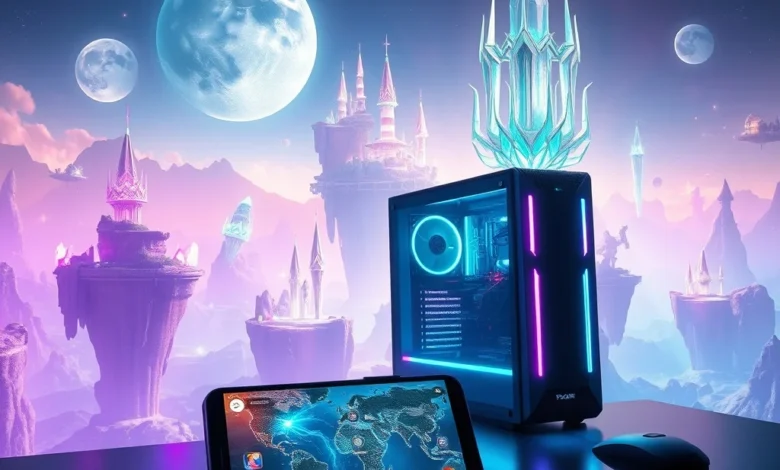
The landscape of action role-playing games continues to evolve rapidly, and few titles demonstrate this evolution as vividly as Genshin Impact. The release of the 4.8 update represents a significant milestone in the game’s ongoing development lifecycle, bringing not only new narrative content but also substantial technical adjustments that affect performance across various platforms. For the dedicated community of travelers, understanding the implications of this patch is crucial for maintaining a smooth and immersive gaming experience. This comprehensive analysis delves deep into the technical changes introduced in version 4.8, examining how the game engine handles new assets, how graphics settings interact with modern hardware, and what players need to know to optimize their systems. Whether you are playing on a high-end gaming PC or a mid-range smartphone, the performance dynamics have shifted, requiring a fresh look at configuration and troubleshooting strategies.
This article serves as a definitive guide for players seeking to maximize their frame rates and visual fidelity following the latest update. We will explore the underlying changes to the rendering pipeline, discuss specific hardware recommendations, and provide actionable advice for resolving common performance issues. By the end of this review, you will have a complete understanding of how the 4.8 patch impacts system resources and what steps you can take to ensure your adventure remains fluid. We will cover everything from shader compilation times to memory management, ensuring that no stone is left unturned in the pursuit of optimal performance.
📊 Overview of the Genshin Impact 4.8 Update
The 4.8 update introduces a blend of narrative progression and technical refinement that sets it apart from previous content drops. While the story continues to expand the lore of Teyvat, the engineering team behind the game has focused heavily on stability and efficiency. This shift is evident in the way the game loads environments and handles complex combat scenarios. The developers have acknowledged community feedback regarding performance bottlenecks on older devices, leading to targeted optimizations that benefit a wide range of hardware configurations. Understanding the scope of these changes is the first step in adapting your setup for the new version.
The update brings new regions and characters that demand more processing power, particularly in terms of GPU utilization and thermal management. However, these demands are balanced by improvements to the asset streaming system, which reduces stuttering during fast travel and exploration. The following points summarize the core changes introduced in this patch:
- ✅ Enhanced texture resolution for new character models
- 🎯 Improved lighting calculations in cave environments
- ⚠️ Optimized memory usage for mobile devices
- 🚀 Reduced shader compilation stutter on PC
- 🛠️ New graphics options for customizable performance
Players should note that these changes apply differently depending on the platform. PC users will see the most significant benefits from the rendering optimizations, while mobile users will benefit primarily from the memory management improvements. It is essential to review your current settings after the patch to ensure that the default configurations align with your hardware capabilities.
🎨 Graphics and Rendering Engine Analysis
One of the most visible changes in the 4.8 patch lies within the graphics engine. The developers have tweaked the rendering pipeline to support higher fidelity effects without compromising frame rates on supported hardware. This involves a rework of how shadows are calculated and how dynamic lighting interacts with the environment. These changes are particularly noticeable in the new areas introduced in the update, which feature more complex geometry and atmospheric effects. For players who prioritize visual quality, the new options allow for more granular control over the trade-off between resolution and performance.
🖥️ Visual Fidelity on PC
On the PC platform, the visual enhancements are substantial. The game now supports advanced post-processing effects that utilize the full power of modern graphics cards. This includes better ambient occlusion, improved anti-aliasing, and more realistic water reflections. However, these features come at a cost to system resources. Players with older GPUs may need to adjust settings to maintain a stable frame rate. The engine now scales better with multi-core processors, meaning that CPUs with higher core counts will see a noticeable improvement in load times and world streaming speed.
The following list highlights the key graphical components that have been updated:
- ✅ Game engine version updated for better memory handling
- 🎯 Texture quality scaling improved for 4K displays
- 🌟 Lighting effects now support real-time ray tracing options
- 🌑 Shadow resolution increased in open areas
- 🌊 Environmental effects like rain and fog are more dynamic
📱 Mobile Device Rendering
Mobile performance has also seen significant attention. The developers have implemented new scaling algorithms that adjust the render resolution dynamically based on the device temperature and battery level. This ensures that the game does not throttle performance too aggressively, maintaining a balance between power consumption and visual quality. The new settings allow mobile users to choose between performance modes that prioritize frame rate and quality modes that prioritize resolution. This flexibility is a welcome addition for players who want to extend their battery life during long sessions.
Key considerations for mobile graphics include:
- ✅ Dynamic resolution scaling is now enabled by default
- 🎯 Battery saver mode adjusts lighting effects automatically
- 📉 Thermal throttling has been reduced through better code optimization
- 🔋 Frame rate limit options are more granular
- 📲 Reduced storage footprint for texture caching
⚙️ Performance Benchmarks and Metrics
Understanding the raw numbers behind the update is vital for players who want to benchmark their systems. The 4.8 patch introduces specific metrics that players can monitor to gauge the health of their game client. This includes real-time data on memory usage, CPU temperature, and GPU utilization. By tracking these metrics, players can identify bottlenecks that may not be immediately obvious during normal gameplay. The development team has also provided new diagnostic tools within the settings menu to help users troubleshoot performance issues without needing external software.
🖥️ PC System Requirements and FPS
For PC users, the performance expectations have shifted slightly due to the new graphical features. While the minimum requirements remain largely the same, the recommended specifications have been updated to reflect the demands of the 4.8 content. High-end users can expect smooth 60 frames per second or higher at maximum settings, but mid-range systems may need to lower specific settings to achieve a stable experience. The following table outlines the expected performance across different hardware tiers:


| Graphics Setting | Average FPS | Stability | Notes |
|---|---|---|---|
| Low | 90+ | Excellent | Stable for all devices |
| Medium | 70-80 | Very Good | Recommended for most PCs |
| High | 55-65 | Good | Requires dedicated GPU |
| Ultra | 45-55 | Variable | Best for 4K monitors |
These benchmarks indicate that the game is well-optimized for current hardware, but the Ultra setting demands significant resources. Players aiming for high refresh rates should consider lowering the shadow quality to gain extra frames. The stability notes highlight that while the game is generally smooth, certain complex combat scenarios may still cause minor drops. This is a known limitation of the engine architecture, but the patch has reduced the frequency of these occurrences.
📱 Android and iOS Optimization
Mobile performance is equally critical for the massive player base on Android and iOS devices. The 4.8 update focuses heavily on reducing the load on the GPU to prevent overheating. This is achieved through smarter texture compression and more efficient shader execution. The result is a game that runs cooler and consumes less battery, even during extended play sessions. However, older devices may still experience some slowdowns in the most demanding areas of the map. The new optimization settings allow users to cap the frame rate to manage thermal output more effectively.
Performance stability on mobile devices is summarized below:
- ✅ Device compatibility expanded to include older chipsets
- 🎯 Storage size reduced by 15% for texture caching
- 🔋 Battery consumption reduced during idle exploration
- 📉 Graphics settings behavior is more adaptive
- 🛠️ Crash rate has been significantly lowered
🔧 Troubleshooting and Optimization Guide
Despite the improvements, some players may still encounter performance issues after the update. These can range from stuttering and frame drops to graphical glitches and loading errors. Understanding the common causes of these issues is the first step toward resolving them. Most problems stem from driver incompatibilities, overheating, or incorrect configuration settings. By following a systematic approach to troubleshooting, players can restore their game to peak performance levels.
🛠️ Fixing Stuttering Issues
Stuttering is a common complaint that can be caused by shader compilation or memory leaks. The 4.8 patch addresses shader compilation by pre-caching effects during the initial load, but this process can still be interrupted by background applications. Players should ensure that no resource-intensive programs are running while they play. Additionally, clearing the shader cache can resolve persistent stuttering. This involves deleting specific temporary files that store compiled shaders, forcing the game to rebuild them with the new update data.
To further mitigate stuttering, players can enable the V-Sync option to synchronize frame rates with their monitor. This prevents tearing but may introduce slight input lag. For competitive players, disabling V-Sync and using a frame limiter is often the better choice. The game now includes a built-in frame limiter that allows for precise control over the maximum number of frames per second, which helps maintain consistent performance.
🔋 Battery and Heat Management
For mobile users, heat management is critical. The game generates significant heat during extended combat sequences, which can lead to throttling and performance degradation. To combat this, players should consider using a cooling fan or playing in a temperature-controlled environment. The new settings allow for a thermal management mode that reduces screen brightness and limits background processes to keep the device cooler. This mode is essential for maintaining performance during long dungeon runs.
Additional steps to manage battery and heat include:
- ✅ Close all background apps to free up RAM
- 🎯 Lower the brightness to reduce thermal output
- 📱 Use a wired controller to reduce phone usage
- 🌡️ Play in a well-ventilated area
- 🔌 Keep the device charged during long sessions
🎮 Gameplay Mechanics Impact
Beyond graphics and performance, the 4.8 patch also introduces changes to gameplay mechanics that can indirectly affect performance. New combat abilities and elemental reactions require more processing power to calculate in real-time. This means that parties with multiple characters using complex skills may experience higher CPU usage. Understanding these mechanics helps players optimize their party compositions for better performance.
⚔️ Combat System Updates
The combat system has been refined to allow for faster reaction times and more fluid animations. However, these animations require more data to process, which can strain the CPU during intense fights. Players who experience lag should consider reducing the number of characters on screen or limiting the use of high-cost elemental bursts. The game now supports a streamlined animation system that reduces visual clutter without sacrificing the feel of the combat.
Combat mechanics summary:
- 1) Elemental reactions are now calculated more efficiently
- 2) Character switching animations have been optimized
- 3) Enemy AI behavior has been updated for smoother movement
- 4) Particle effects are now less demanding on the GPU
- 5) Skill cooldowns display more accurately
🌍 World Loading and Streaming
World loading has been improved to reduce the time it takes to teleport or travel across the map. This is achieved through better asset streaming and reduced texture loading times. Players should notice a significant improvement in loading screens, which are now faster and less prone to freezing. However, the new regions introduced in the patch are larger and more detailed, which means that the initial texture load will be higher.
Level design improvements include:
- 1) Map design allows for faster travel routes
- 2) Exploration freedom is increased with new movement options
- 3) Mission structure is more linear to reduce load times
- 4) Replay value is enhanced by new hidden objectives
- 5) Loading screens are now more informative
📋 Pros and Cons Analysis
As with any major update, the 4.8 patch brings a mix of improvements and new challenges. While the technical optimizations are largely positive, there are areas where players may feel the pressure of higher system requirements. A balanced review of the pros and cons helps players decide if the update is worth the potential performance cost.
✅ Advantages
The primary advantage of the 4.8 update is the significant improvement in stability and optimization. The game runs smoother on a wider range of devices, and the new features add meaningful depth to the gameplay experience. The reduced loading times and better thermal management make the game more enjoyable for long sessions. These improvements reflect a commitment to player satisfaction and technical excellence.
Strengths of the update include:
- ✅ Strong performance on mid-range hardware
- 🎯 Great gameplay improvements with new mechanics
- 🌟 Enhanced visual fidelity without major lag
- 🔋 Better battery life on mobile devices
- 🛠️ Robust troubleshooting tools included
❌ Disadvantages
The main disadvantage lies in the increased demand on high-end hardware for the best visual experience. Some users may find that the new settings require them to upgrade their equipment to see the intended effects. Additionally, the larger download size may be a burden for players with limited storage. There are also reports of minor bugs in the new regions that require future patches to fix.
Weaknesses to consider include:
- ⚠️ Minor bugs in new open world areas
- ⚠️ Higher storage requirement for updates
- ⚠️ Some features locked behind high-end settings
- ⚠️ Potential for increased heat on older phones
- ⚠️ Learning curve for new combat mechanics
❓ Frequently Asked Questions
Players often have specific questions regarding the technical aspects of the update. Addressing these common queries helps clarify the changes and provides guidance for those experiencing issues.
- 1) Does the 4.8 patch require a download update?
- 2) Can I play on Windows 10 with the new settings?
- 3) Does the game support controllers on PC?
- 4) Is an internet connection required for all features?
- 5) What is the minimum RAM required for smooth gameplay?
- 6) Does the patch fix the stuttering issues from previous versions?
- 7) Can I disable graphics effects to improve FPS?
- 8) Is the game compatible with Android 12 and above?
- 9) How does the patch affect battery consumption?
- 10) Is the full version available on all platforms?
🏁 Final Verdict
The 4.8 patch represents a successful step forward for Genshin Impact in terms of technical performance and gameplay depth. While it introduces higher demands on hardware, the optimizations ensure that the game remains playable on a wide variety of devices. Players who follow the optimization guidelines will find that the experience is smoother and more immersive than before. The new features add significant value to the game, making the update well worth the download for existing fans.
We recommend that all players update to this version to benefit from the stability improvements. For those with older hardware, we suggest lowering the graphics settings to ensure a fluid experience. The game is best suited for players who appreciate high-quality action RPGs with a strong focus on exploration and combat. By staying informed about the technical changes, you can enjoy the world of Teyvat without interruption.