
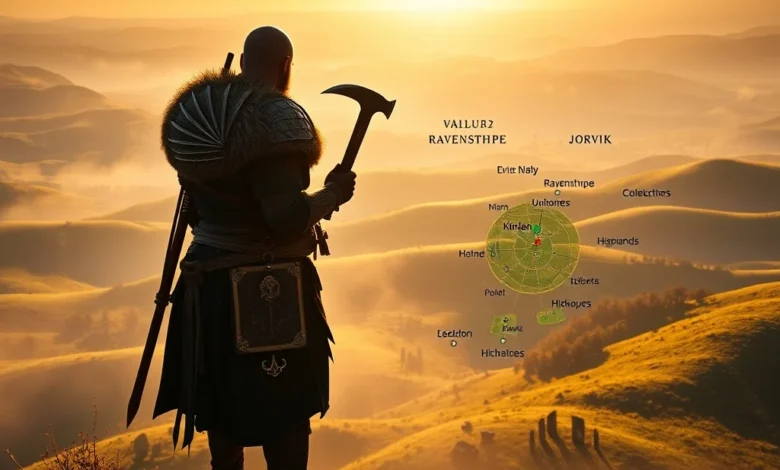
Assassin’s Creed Valhalla is a sprawling open-world RPG that immerses players in the Viking era, inviting them to explore England’s lush landscapes, bustling settlements, and ancient ruins. Beyond its epic main storyline and intense combat, the game offers a rich collection of hidden treasures, artifacts, and lore-rich items scattered across its world. For completionists, these collectibles are not just optional extras—they are pathways to deeper immersion, additional XP, and a more fulfilling experience. Whether you’re aiming for 100% completion or simply want to uncover every secret, this guide will walk you through every type of collectible in Assassin’s Creed Valhalla, including their locations, tips for finding them, and strategies to ensure you don’t miss a single one.
🌍 Why Collectibles Matter in Assassin’s Creed Valhalla
Collectibles in Assassin’s Creed Valhalla serve multiple purposes that go beyond just ticking boxes. First, they provide significant rewards: materials, crafting components, and valuable gear that can enhance Eivor’s abilities. Second, they enrich the game’s lore, offering deeper insights into the world of 9th-century England, its people, and its myths. Third, many collectibles unlock achievements and trophies, which are essential for players aiming to fully master the game. Finally, the thrill of discovery itself is unparalleled—every hidden item tells a story, whether it’s a forgotten Viking relic, a piece of Saxon poetry, or a mysterious artifact tied to England’s early history.
Mastering the art of collectible hunting in Assassin’s Creed Valhalla requires patience, keen observation, and a bit of Viking intuition. The game’s map is vast and filled with secrets, but with the right techniques, you’ll uncover even the most elusive items. Below, we break down every major type of collectible, explain how to find them, and offer pro tips to streamline your journey toward full completion.
🗺️ Types of Collectibles in Assassin’s Creed Valhalla
Assassin’s Creed Valhalla features several categories of collectibles, each with its own rewards and lore significance. Understanding these categories will help you prioritize your exploration and avoid overlooking any hidden gems.
- ✅ Lost Tales of Valhalla – Narrative-driven collectibles that expand on the game’s world and characters.
- 🏺 Fragments of Eden – Ancient artifacts tied to the Isu, offering lore and unique abilities.
- 📜 Geirmund’s Saga Pages – Lore pieces that deepen the story of Geirmund, a key character in the game.
- 🔍 Runestones – Mysterious stones scattered across England, often hidden in plain sight.
- 📜 Ravensthorpe Memorandum Pages – Documents that provide backstory and context for Eivor’s settlement.
- 🏴 Settlement Upgrade Materials – Resources needed to upgrade Ravensthorpe and its facilities.
- 🎭 Disguises – Cosmetic items that allow Eivor to blend into different factions.
- 🛡️ Relics – Powerful items that enhance combat or provide unique bonuses.
Each of these collectibles plays a role in shaping your experience. For example, Runestones often lead to hidden caves or Isu ruins, while Settlement Upgrade Materials are essential for making Ravensthorpe stronger. By the end of this guide, you’ll know exactly where to look and how to efficiently gather every item.
🔹 Lost Tales of Valhalla – Uncovering Hidden Stories
The Lost Tales of Valhalla are some of the most narratively rich collectibles in the game. These quests are unlocked by finding specific Runestones scattered across England, and they immerse you in standalone Viking sagas. Each tale offers unique rewards, such as crafting materials, gear, or even new abilities for Eivor. More importantly, they provide deeper context for the world and its conflicts, making them a must-collect for lore enthusiasts.
To find these tales, you’ll need to locate the Runestones associated with each story. These Runestones are often hidden in remote locations, such as atop cliffs, inside caves, or buried in dense forests. Some are marked on the map, while others require a bit of detective work to uncover. Once you find a Runestone, interact with it to unlock the corresponding Lost Tale quest.
The rewards for completing Lost Tales vary, but they often include rare crafting materials, unique weapons, or even new follower abilities for Ravensthorpe. For example, the Lost Tale of Valhalla: A Fated Encounter rewards players with the Fimbulwinter armor set, a powerful and stylish set of gear that enhances freeze resistance. Other tales, like Sigurd’s Dream, offer insight into Eivor’s past and unlock new dialogue options with key characters.
One of the most rewarding aspects of these tales is their storytelling. The voice acting and writing are top-notch, offering a glimpse into Viking culture, mythology, and the personal struggles of Eivor’s crew. If you’re a fan of narrative-driven games, these collectibles are a must-play.
🔹 Fragments of Eden – The Isu’s Legacy
The Fragments of Eden are ancient artifacts tied to the Isu, the precursor race that once ruled the Earth. These artifacts are scattered across England in hidden locations, often guarded by puzzles or environmental challenges. Collecting all Fragments grants access to the Eden’s Gate ending, a secret conclusion to the game that ties back to the Assassin’s Creed lore.
Each Fragment is tied to a specific Isu structure, such as a temple or ruin. These structures are often buried underground or camouflaged as natural formations, making them easy to overlook. To find them, you’ll need to pay close attention to your map and look for anomalies, such as unusual rock formations or glitches in the terrain.
Once you locate an Isu structure, you’ll need to solve a puzzle to unlock the Fragment inside. These puzzles range from simple lever-pulling to complex rune-matching, requiring you to observe your surroundings carefully. Some puzzles involve manipulating the environment, such as aligning standing stones or activating mechanisms hidden in the landscape.


The rewards for collecting Fragments include powerful gear, such as the Eden’s Gate armor set, and unique abilities like the Isu Spear Throw. These items are among the strongest in the game, making the quest for Fragments well worth the effort. Additionally, uncovering the Eden’s Gate ending provides a satisfying conclusion to Eivor’s journey and ties the game back to the broader Assassin’s Creed universe.
🔹 Geirmund’s Saga Pages – The Viking Legend
Geirmund’s Saga is a collection of lore pieces that tell the story of Geirmund Hel-hide, a legendary Viking warrior whose journey intersects with Eivor’s. These pages are scattered across England, often hidden in Viking camps, burial mounds, or other locations tied to Geirmund’s past. Collecting all the pages unlocks a special quest that reveals Geirmund’s fate and grants powerful rewards.
The pages themselves are typically found as collectible items in the world. Some are lying on the ground or tucked into chests, while others require you to solve environmental puzzles or defeat enemies to claim them. For example, one page might be hidden inside a Viking longhouse, while another could be buried in a sandy beach near a coastal settlement.
Once you collect all the pages, you’ll unlock the Geirmund’s Saga quest, which tasks you with helping Geirmund reclaim his homeland. This quest is a full-fledged Viking saga, complete with epic battles, betrayals, and a dramatic conclusion. The rewards include unique gear, such as the Hel-hide Armor, and a deeper understanding of Eivor’s world.
For players who love Viking lore and epic storytelling, Geirmund’s Saga is one of the most rewarding collectibles in the game. It’s a self-contained adventure that feels like a mini-expansion, offering hours of gameplay and immersion.
🔹 Runestones – The Key to Hidden Secrets
Runestones are the backbone of Assassin’s Creed Valhalla’s collectible system. These ancient stones are scattered across England and serve as keys to unlocking Lost Tales, Fragments of Eden, and other hidden content. Each Runestone is associated with a specific collectible or quest, and finding them is essential for 100% completion.
Runestones come in two types: marked and unmarked. Marked Runestones are visible on the map as small icons, making them easier to locate. Unmarked Runestones, however, are hidden and require you to deduce their locations based on clues, environmental cues, or lore hints. For example, an unmarked Runestone might be located near a Viking burial site or inside a cave marked with Norse symbols.
To find unmarked Runestones, pay attention to your surroundings. Look for unusual rock formations, standing stones, or areas where the terrain seems unnaturally flat or smooth. Some Runestones are hidden behind waterfalls, while others are buried under piles of rubble or inside trees. If you’re struggling to find a specific Runestone, consult online maps or community guides for hints.
The rewards for finding Runestones vary, but they typically include crafting materials, gear, or access to new quests. Some Runestones unlock powerful abilities, such as the Raven Strike or Bear Assault, which can be game-changers in combat. Others simply serve as fast-travel points, allowing you to quickly navigate the map.
🔹 Ravensthorpe Memorandum Pages – Building a Settlement
Ravensthorpe Memorandum Pages are documents that provide backstory and context for Eivor’s settlement. These pages are tied to the settlement management system and offer insights into the lives of your followers, the challenges of building a Viking stronghold, and the political landscape of 9th-century England. Collecting all the Memorandum Pages unlocks new settlement upgrades and dialogue options.
The pages are scattered across England and are often found in locations tied to Ravensthorpe’s operations. For example, a page might be hidden inside a merchant’s tent, inside a Viking camp, or even inside a church. Some pages are given to you as rewards for completing quests, while others require you to explore the world and interact with NPCs.
Once you collect all the Memorandum Pages, you’ll unlock new upgrades for Ravensthorpe, such as the Blacksmith or Hunting Lodge. These upgrades not only improve your settlement’s efficiency but also provide passive bonuses, such as increased income or faster crafting times. Additionally, the pages offer a deeper understanding of the game’s world and its characters, making them a must-collect for immersion-focused players.
🔹 Settlement Upgrade Materials – Strengthening Ravensthorpe
Settlement Upgrade Materials are resources needed to upgrade Ravensthorpe’s facilities and unlock new features. These materials are gathered by exploring the world, completing quests, or purchasing them from merchants. Without these materials, you’ll be unable to unlock key upgrades, such as the Longhouse or Docks, which provide significant benefits to your settlement.
The types of materials you’ll need include Wood, Iron, Leather, Stone, and Fabric. Each material can be gathered by chopping trees, mining ore, hunting animals, or salvaging wrecks. Some materials are also dropped by enemies or found in chests scattered across the map. To ensure you have enough resources, prioritize upgrading facilities that provide passive income or crafting bonuses, such as the Smithy or Tannery.
Upgrading Ravensthorpe not only improves your settlement’s efficiency but also unlocks new follower abilities and passive bonuses. For example, upgrading the Longhouse increases the maximum number of followers you can recruit, while upgrading the Docks allows you to send ships on trade missions. Investing in these upgrades early will make your playthrough significantly easier and more rewarding.
🔹 Disguises – Blending In
Disguises are cosmetic items that allow Eivor to blend into different factions, such as the Saxons, Vikings, or even the Church. These disguises are not just for show—they provide practical benefits, such as avoiding suspicion or gaining access to restricted areas. Collecting all disguises unlocks new dialogue options and achievements, making them a fun and rewarding collectible.
Disguises are typically found in chests, purchased from merchants, or rewarded for completing quests. Some disguises are hidden in remote locations, such as atop mountains or inside caves, while others are given to you as rewards for helping NPCs. For example, the Bishop’s Robes disguise can be found inside a church, while the Saxon Noble Attire is hidden inside a wealthy estate.
Using disguises effectively requires strategy. For example, wearing a Saxon Noble Attire disguise allows you to enter Saxon-controlled areas without raising suspicion, while the Viking Raider Attire is perfect for blending into Viking camps. Experiment with different disguises to discover their unique benefits and unlock new gameplay opportunities.
🔹 Relics – Powerful Artifacts
Relics are powerful items that enhance Eivor’s abilities or provide unique bonuses. These artifacts are scattered across England and are often hidden in dangerous locations, such as dungeons or enemy camps. Collecting all Relics grants access to powerful gear and abilities that can turn the tide of battle.
Relics come in various forms, such as amulets, weapons, or armor pieces. Each Relic provides a unique bonus, such as increased health regeneration, enhanced damage resistance, or new combat abilities. For example, the Mjölnir Amulet grants lightning-based abilities, while the Draugr Fang Dagger enhances poison damage.
To find Relics, you’ll need to explore the world and pay attention to your surroundings. Many Relics are hidden in chests, buried in the ground, or tucked into remote locations. Some Relics are also rewarded for completing quests or defeating powerful enemies. For example, the Odin’s Raven Armor is found inside a hidden cave near a Viking settlement, while the Mjolnir Hammer is dropped by a boss in the Jorvik region.
The rewards for collecting Relics are well worth the effort. These artifacts not only enhance your combat abilities but also provide unique visual customization options for Eivor. For completionists, gathering every Relic is a must-do task that adds depth to the gameplay experience.
🗺️ Step-by-Step Guide to Finding Every Collectible
Now that you understand the different types of collectibles in Assassin’s Creed Valhalla, it’s time to dive into a step-by-step guide for finding them all. This section will provide you with a structured approach to exploring England, uncovering hidden secrets, and ensuring you don’t miss a single item.
🔹 Step 1: Prioritize Your Collectibles
With so many collectibles to find, it’s easy to feel overwhelmed. To streamline your journey, prioritize your collectibles based on their rewards and impact on gameplay. For example, if you’re focused on maximizing Eivor’s abilities, prioritize Relics and Settlement Upgrade Materials. If you’re a lore enthusiast, focus on Lost Tales and Geirmund’s Saga Pages. Here’s a suggested priority list:
- Lost Tales of Valhalla – These provide unique rewards and deepen the game’s story.
- Fragments of Eden – These unlock powerful gear and the Eden’s Gate ending.
- Geirmund’s Saga Pages – These unlock a full-fledged Viking saga and unique gear.
- Runestones – These are keys to unlocking other collectibles and fast-travel points.
- Ravensthorpe Memorandum Pages – These provide settlement upgrades and passive bonuses.
- Relics – These enhance Eivor’s abilities and provide unique gear.
- Settlement Upgrade Materials – These are essential for upgrading Ravensthorpe and unlocking new features.
- Disguises – These provide cosmetic and practical benefits.
By focusing on high-priority collectibles first, you’ll ensure that you’re getting the most out of your time in the game.
🔹 Step 2: Use the Map and Eagle Vision
The map in Assassin’s Creed Valhalla is your best friend when it comes to finding collectibles. Enable the “Display Treasure Maps” option in the settings to highlight treasure map icons, and use the “Points of Interest” filter to locate caves, cliffs, and other hidden locations. Additionally, use Eagle Vision to scan the environment for hidden objects, such as Runestones or Relics. Eagle Vision highlights interactive objects in white, making them easier to spot.
Another useful feature is the “Bird of Prey” ability, which allows you to scout the map from above. This can help you identify potential collectible locations, such as caves or dungeons, before you even set foot on the ground. Combine these tools with a keen eye for detail, and you’ll uncover even the most elusive collectibles.
🔹 Step 3: Explore Thoroughly
England in Assassin’s Creed Valhalla is a living, breathing world filled with secrets. To find every collectible, you’ll need to explore thoroughly, paying attention to your surroundings and looking for anomalies. Some tips for thorough exploration include:
- Climb everything: Many collectibles, such as Runestones or Relics, are hidden atop cliffs or mountains. Use Eivor’s climbing ability to reach these locations.
- Investigate caves and ruins: Caves and ruins often contain chests, puzzles, or hidden collectibles. Use Eagle Vision to scan for interactive objects inside these locations.
- Talk to NPCs: Many collectibles are tied to side quests or dialogue options. Talk to NPCs to uncover hidden quests or obtain clues about collectible locations.
- Look for environmental clues: Pay attention to your surroundings for signs of hidden collectibles. For example, a pile of rubble might conceal a chest, or a standing stone might be a Runestone.
- Complete side quests: Side quests often reward collectibles or lead to hidden locations. Prioritize side quests that involve exploring remote areas or solving puzzles.
Exploration is the key to finding every collectible in Assassin’s Creed Valhalla. The more time you spend wandering the world, the more secrets you’ll uncover.
🔹 Step 4: Solve Puzzles and Environmental Challenges
Many collectibles in Assassin’s Creed Valhalla are hidden behind puzzles or environmental challenges. These puzzles range from simple lever-pulling to complex rune-matching, requiring you to observe your surroundings carefully. For example, some Isu ruins require you to align standing stones or activate mechanisms hidden in the landscape. Other puzzles involve manipulating the environment, such as redirecting water flows or manipulating light sources.
To solve puzzles effectively, pay attention to your surroundings and look for clues. Many puzzles include visual hints, such as glowing runes or interactive objects. If you’re stuck, consult online guides or community forums for hints. Solving these puzzles not only grants access to collectibles but also provides a sense of satisfaction and immersion.
🔹 Step 5: Optimize Your Playthrough
Finding every collectible in Assassin’s Creed Valhalla can be time-consuming, but there are ways to optimize your playthrough and save time. Here are some tips for maximizing efficiency:
- Use fast travel: Fast travel is essential for navigating England quickly. Unlock fast travel points by exploring the map and interacting with waypoints.
- Prioritize high-reward collectibles: Focus on collectibles that provide significant rewards, such as Lost Tales or Fragments of Eden, before tackling smaller items.
- Complete collectibles in batches: Group collectibles by location or type to minimize backtracking. For example, if you’re exploring the Jorvik region, prioritize collecting all Runestones and Relics in that area before moving on.
- Use the settlement ledger: The settlement ledger tracks your progress on collectibles, such as Settlement Upgrade Materials and Ravensthorpe Memorandum Pages. Use this tool to ensure you’re not missing any items.
- Take breaks: Collectibles can be mentally taxing, so take breaks to avoid burnout. Play other games or watch videos to recharge your creativity.
By optimizing your playthrough, you’ll save time and reduce frustration, making the journey toward 100% completion more enjoyable.
🎯 Advanced Tips for Collectible Hunting
For players who want to go beyond the basics and master the art of collectible hunting, this section offers advanced tips and strategies. These techniques will help you uncover even the most elusive items and optimize your gameplay.
🔹 Mastering Eagle Vision and Environmental Scanning
Eagle Vision is one of the most powerful tools in Assassin’s Creed Valhalla, but it’s often underutilized. Eagle Vision highlights interactive objects in white, making them easier to spot. To maximize its effectiveness, use the following techniques:
- Adjust the sensitivity: In the settings, adjust the Eagle Vision sensitivity to highlight objects more prominently. This will make it easier to spot collectibles from a distance.
- Use it frequently: Don’t just activate Eagle Vision when you’re looking for something. Use it regularly to scan the environment and uncover hidden objects.
- Combine with the Bird of Prey ability: The Bird of Prey ability allows you to scout the map from above, highlighting potential collectible locations. Combine this with Eagle Vision to identify hidden objects before you even set foot on the ground.
- Look for subtle cues: Eagle Vision isn’t just for interactive objects. It can also highlight environmental clues, such as unusual rock formations or standing stones, that might lead to hidden collectibles.
By mastering Eagle Vision, you’ll uncover collectibles more efficiently and reduce the time spent aimlessly wandering the map.
🔹 Exploiting Glitches and Exploits (Ethically)
While it’s important to play the game as intended, there are some glitches and exploits that can help you find collectibles more efficiently. These techniques are not cheating—they’re simply ways to optimize your gameplay. Here are a few examples:
- Save scumming: If you’re struggling to solve a puzzle or find a collectible, save your game before attempting it. If you fail, reload your save and try again. This can save you hours of frustration.
- Using the Eagle Vision trick: Some collectibles are hidden behind walls or terrain. Use Eagle Vision to scan the area, then walk through the wall or terrain to uncover the collectible. This technique works best in areas with dense foliage or rocky terrain.
- Exploiting fast travel: Some collectibles are tied to fast travel points. If you’re having trouble finding a specific item, try fast traveling to a nearby location and then walking back to see if the collectible appears.
- Using the settlement ledger: The settlement ledger tracks your progress on collectibles, such as Settlement Upgrade Materials. If you’re missing an item, consult the ledger to see if it’s tied to a specific quest or location.
🔹 Leveraging Community Resources
The Assassin’s Creed community is vast and filled with players who are eager to help. If you’re struggling to find a specific collectible, don’t hesitate to reach out to the community for assistance. Here are some resources to consider:
- IGN: IGN offers comprehensive guides, walkthroughs, and maps for every collectible in Assassin’s Creed Valhalla.
- GameFAQs: GameFAQs hosts a community-driven wiki filled with tips, hints, and step-by-step guides for finding collectibles.
- Reddit: The r/assassinscreed subreddit is a great place to ask for help, share tips, and connect with other players.
- YouTube: Many content creators have uploaded videos showcasing collectible locations, puzzle solutions, and hidden secrets. These videos can be a great visual aid for understanding complex puzzles.
- Discord: Joining the official Assassin’s Creed Discord server allows you to chat with other players, share tips, and ask for help in real-time.
By leveraging community resources, you’ll save time, avoid frustration, and uncover collectibles more efficiently.
📊 Pros and Cons of Collectible Hunting
✅ Advantages of Collectible Hunting
Collectible hunting in Assassin’s Creed Valhalla offers numerous benefits that enhance the overall gaming experience. Here are some of the key advantages:
- Deeper immersion: Collectibles enrich the game’s world, offering deeper insights into the lore, characters, and setting. They make England feel more alive and vibrant.
- Additional rewards: Collectibles provide valuable rewards, such as crafting materials, gear, and abilities. These rewards can significantly enhance your gameplay experience.
- Achievements and trophies: Collecting every item unlocks achievements and trophies, which are essential for players aiming to fully master the game.
- Sense of accomplishment: Completing every collectible offers a deep sense of satisfaction and accomplishment. It’s a testament to your dedication and exploration skills.
- Extended gameplay: Collectibles add hours of additional content to the game, making it more replayable and rewarding.
❌ Disadvantages of Collectible Hunting
While collectible hunting is rewarding, it also comes with some drawbacks. Here are a few potential disadvantages to consider:
- Time-consuming: Collectible hunting can be incredibly time-consuming, especially for players who are not naturally inclined toward exploration. It may take dozens of hours to find every item.
- Frustrating: Some collectibles are hidden in obscure or hard-to-reach locations, which can be frustrating and tedious to uncover. Puzzles can also be challenging and time-consuming to solve.
- Repetitive: For some players, the repetitive nature of collectible hunting can become monotonous. The thrill of discovery may wear off after a while.
- Not essential for enjoyment: While collectibles add depth to the game, they are not essential for enjoying the main story or gameplay. Players who prefer action or combat may find collectible hunting tedious.
- Potential for burnout: The sheer volume of collectibles in Assassin’s Creed Valhalla can lead to burnout, especially for players who are not completionists. It’s important to take breaks and enjoy the game at your own pace.
Ultimately, whether collectible hunting is worth it depends on your playstyle and priorities. If you’re a lore enthusiast or completionist, the rewards are well worth the effort. However, if you prefer action or combat, you might find collectible hunting less engaging.
🏁 Final Verdict: Should You Collect Everything?
Assassin’s Creed Valhalla is a masterpiece of open-world design, offering a rich and immersive experience that rewards exploration and curiosity. Collectibles play a crucial role in this experience, providing additional lore, rewards, and challenges that deepen the game’s world. For completionists and lore enthusiasts, collecting every item is a must-do task that enhances the overall enjoyment of the game.
However, it’s important to approach collectible hunting with the right mindset. If you’re not naturally inclined toward exploration, the time and effort required may feel daunting. Additionally, some collectibles are hidden in obscure or frustrating locations, which can test your patience. That said, the sense of accomplishment that comes from uncovering every secret is unparalleled, and the rewards—both tangible and intangible—are well worth the effort.
For players who enjoy Assassin’s Creed Valhalla but want to focus on the main story and combat, it’s perfectly fine to skip some collectibles. The game is designed to be enjoyed at your own pace, and the core experience remains engaging and rewarding without 100% completion. That said, if you’re willing to invest the time and effort, collecting every item will reward you with a deeper understanding of the game’s world and a greater sense of achievement.
In conclusion, Assassin’s Creed Valhalla is a game that thrives on exploration, and collectibles are the heart of that experience. Whether you’re a completionist or a casual player, taking the time to uncover the game’s hidden treasures will enrich your journey and leave you with a deeper appreciation for Viking England and its myths. So grab your axe, sharpen your wits, and set forth on an adventure that will take you from the misty peaks of the Highlands to the bustling streets of Saxon cities. The secrets of Assassin’s Creed Valhalla await—are you ready to uncover them all?
❓ Frequently Asked Questions
- How do I enable the “Display Treasure Maps” option in Assassin’s Creed Valhalla?
To enable the “Display Treasure Maps” option, go to the game settings and navigate to the “Gameplay” tab. From there, toggle the “Display Treasure Maps” option to highlight treasure map icons on your map. This will make it easier to locate hidden stashes and collectibles.
- Are there any collectibles that are locked behind DLC?
Yes, some collectibles, such as Fragments of Eden tied to the Dawn of Ragnarok DLC, are locked behind additional content. If you’re playing the base game without DLC, you won’t be able to collect every item. However, the base game still offers plenty of secrets to uncover.
- How do I solve puzzles in Isu ruins?
Isu ruins often contain puzzles that require you to manipulate the environment, such as aligning standing stones or activating mechanisms. To solve these puzzles, pay close attention to your surroundings and look for visual hints, such as glowing runes or interactive objects. If you’re stuck, consult online guides or community forums for hints.
- Can I use Eagle Vision to find hidden collectibles?
Yes, Eagle Vision is a powerful tool for finding hidden collectibles. It highlights interactive objects in white, making them easier to spot. Combine Eagle Vision with the Bird of Prey ability to scout the map from above and identify potential collectible locations before you even set foot on the ground.
- How do I prioritize collectibles to save time?
To prioritize collectibles and save time, focus on high-reward items first, such as Lost Tales, Fragments of Eden, and Geirmund’s Saga Pages. These collectibles provide unique rewards and deepen the game’s lore. Additionally, group collectibles by location or type to minimize backtracking and optimize your playthrough.
- Are there any glitches or exploits that can help me find collectibles faster?
While it’s important to play the game as intended, there are some glitches and exploits that can help you find collectibles more efficiently. For example, save scumming can save you hours of frustration when solving puzzles, and using Eagle Vision tricks can help you spot hidden objects more easily. However, avoid using these techniques to exploit the game or gain unfair advantages.
- How do I access the settlement ledger to track my progress on collectibles?
The settlement ledger is accessed through the Ravensthorpe menu. From there, you can track your progress on Settlement Upgrade Materials, Ravensthorpe Memorandum Pages, and other collectibles tied to your settlement. The ledger provides a convenient overview of your progress and helps you ensure you’re not missing any items.
- Are there any collectibles that are only available in specific regions?
Yes, some collectibles, such as Geirmund’s Saga Pages or Fragments of Eden, are tied to specific regions in England. For example, Geirmund’s Saga Pages are scattered across Viking-controlled areas, while Fragments of Eden are hidden in Isu ruins. To find these collectibles, you’ll need to explore the regions they’re tied to and pay attention to your surroundings.
- How do I find unmarked Runestones in Assassin’s Creed Valhalla?
Unmarked Runestones are hidden and require you to deduce their locations based on clues, environmental cues, or lore hints. To find them, look for unusual rock formations, standing stones, or areas where the terrain seems unnaturally flat or smooth. Some Runestones are hidden behind waterfalls or inside caves marked with Norse symbols. If you’re struggling, consult online maps or community guides for hints.
- Do collectibles affect the main story in Assassin’s Creed Valhalla?
Collectibles do not directly affect the main story, but they do enrich the game’s world and provide additional lore. For example, Lost Tales and Geirmund’s Saga Pages deepen the game’s narrative, while Fragments of Eden tie into the broader Assassin’s Creed lore. While collectibles are not essential for the main story, they enhance the overall experience and provide a deeper understanding of Eivor’s world.